The Transitional Justice Working Group reports a sharp rise in executions in North Korea after COVID-19 border closures, documenting 60 cases and 148 deaths from 2020–2024, up from 41 in the prior five years. The largest share of executions were tied to violations of bans on foreign culture and religion, such as watching South Korean media, while political executions rose to 28 from four. The findings are based on interviews with 880 defectors and satellite imagery, but the group cautions the report is not definitive.
Report: North Korea Sharply Increased Executions During COVID Border Closures
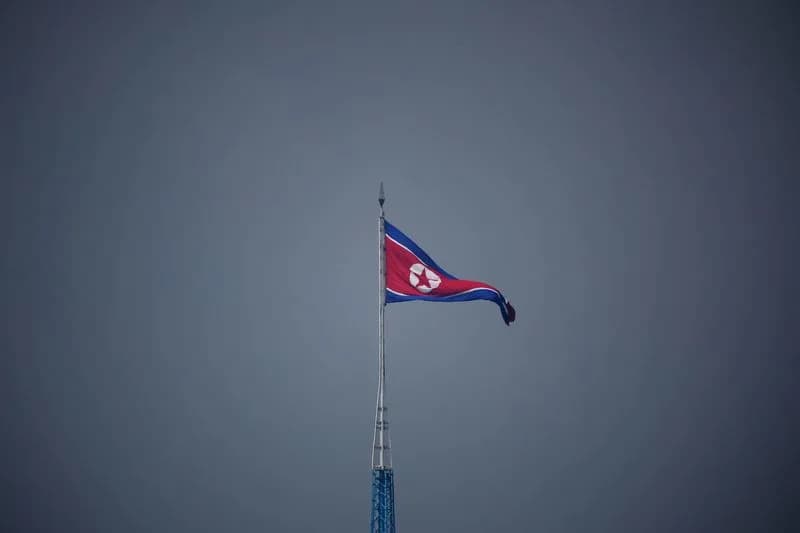
A North Korean flag flutters at the propaganda village of Gijungdong in North Korea, in this picture taken near the truce village of Panmunjom inside the demilitarized zone (DMZ) separating the two Koreas, South Korea, July 19, 2022. REUTERS/Kim Hong-Ji/Pool
SEOUL, April 28 (Reuters) — A Seoul-based civic organisation says North Korea sharply increased executions after sealing its borders during the COVID-19 pandemic, with the largest share tied to violations of bans on foreign culture and religion.
Key Findings
The Transitional Justice Working Group documented 60 execution cases in which 148 people were reportedly put to death between 2020 and 2024, up from 41 executions in the preceding five-year period. The group based its findings on interviews with 880 North Korean defectors living in South Korea and used satellite imagery to map alleged execution sites, though it cautioned the report is not definitive.
According to the report, the largest category of offences leading to executions involved breaches of restrictions on foreign culture and religion — notably watching South Korean dramas and films. Before pandemic-related border closures, murder had been the most common reason for executions.
Political Repression and Geographic Spread
The report also found that executions for political crimes rose sharply, from four in the earlier comparative period to 28 during the pandemic years, a change the group links to leader Kim Jong Un's intensified efforts to suppress dissent amid lockdowns. Executions tied to cultural violations were recorded not only in border regions near China but also in inland provinces, suggesting South Korean media content had spread widely across the country.
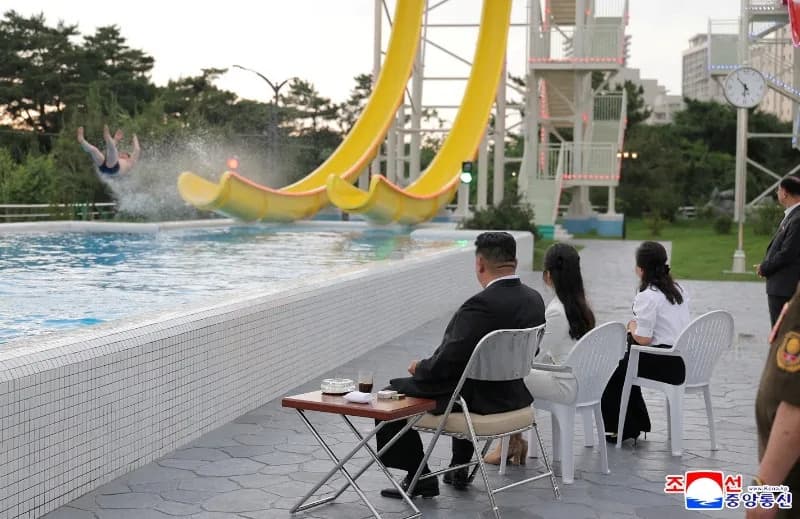
"The number of executions may surge when the time for Ju Ae to succeed is imminent, to remove the inner circle of her father and appoint her people," said Hubert Lee, the group's executive director, warning that the anticipated succession of Kim's daughter could trigger further purges.
Context And Caveats
North Korea has started to reopen gradually: the government approved the return of citizens who had been abroad in 2023 and recently resumed passenger train service with China. Still, the number of North Korean defectors — a rough indicator of the country's openness — remained low at 223 in 2025 compared with 1,275 in 2015, according to South Korean government data.
North Korean embassies in Singapore and London and Pyongyang's permanent U.N. mission did not immediately respond to requests for comment on the group's findings.
Reporting by Heejin Kim; Editing by Ed Davies.
Help us improve.