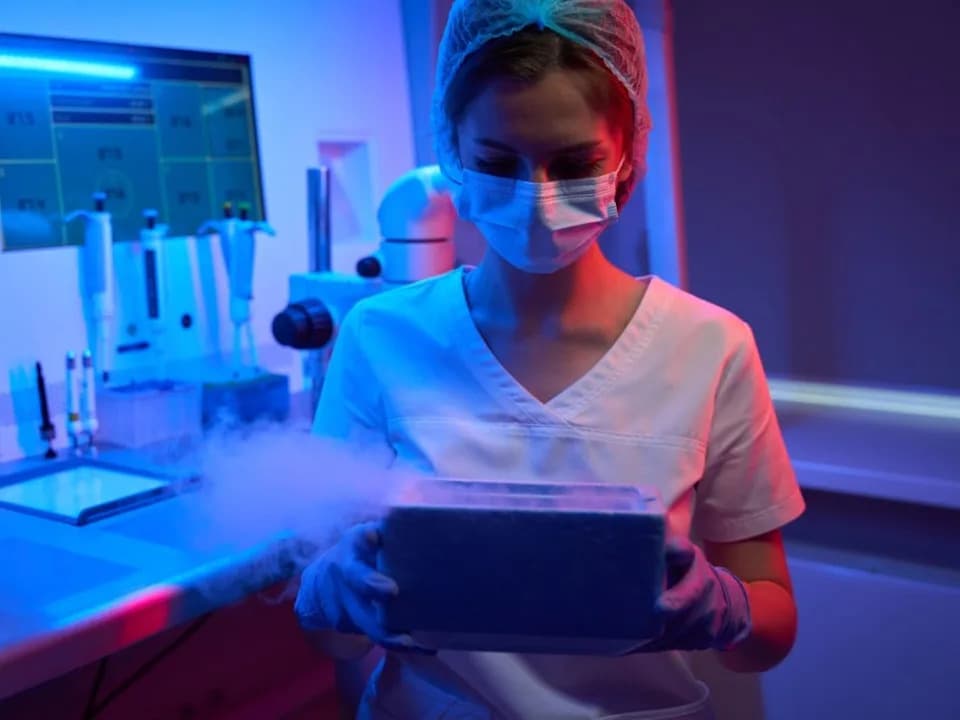
Paterna Biosciences reports it has grown functional human sperm in vitro and used them to create embryos in early tests, a step that could open new fertility options if verified. The method still requires sperm-producing stem cells from testicular tissue, so it cannot generate sperm from people without those cells. Independent validation, safety testing, and regulatory review remain necessary before clinical use; the company says trials could begin as soon as next year.
Lab-Grown Human Sperm Used To Create Embryos — A Major Reproductive Breakthrough
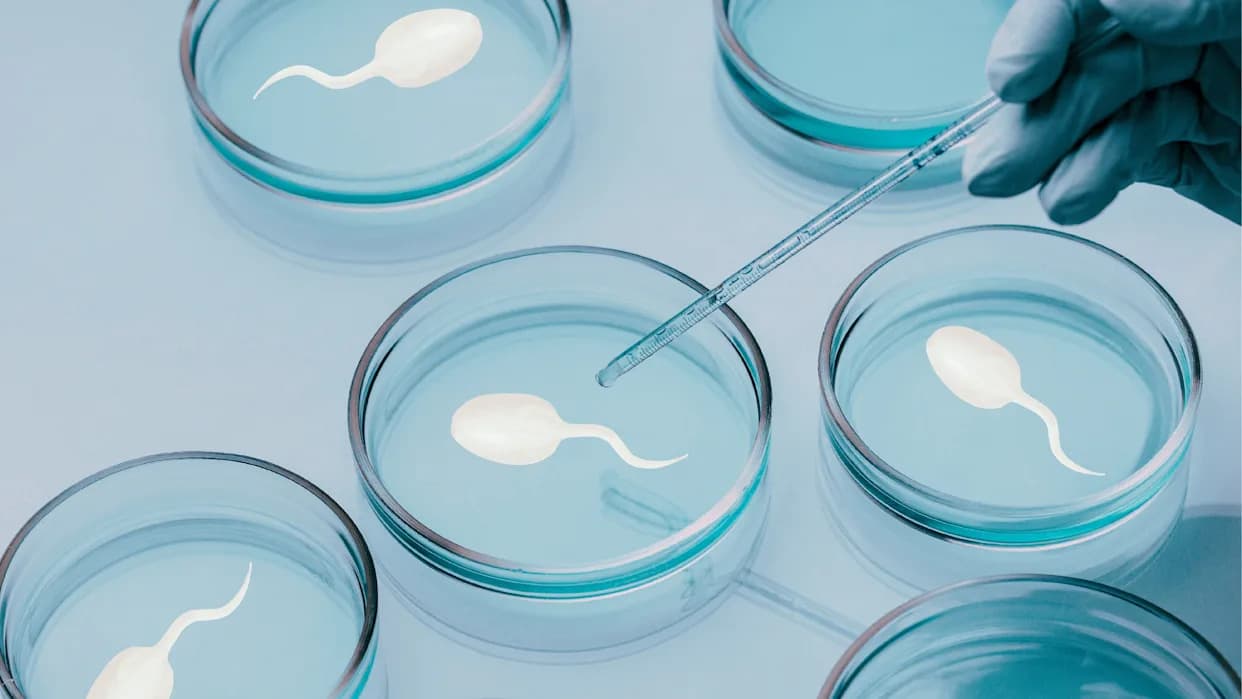
Several sperm cell in petri dishes.
Utah-based Paterna Biosciences reports it has produced human sperm in the laboratory using in vitro spermatogenesis and used those cells to create embryos in early tests. The company says this result builds on nearly a century of research into how sperm form, though the findings have not yet been independently verified.
"This is not a good thing. Other than opening jars, sperm is the only thing women need us for!!" wrote one online commentator after the announcement — a reminder of how emotionally charged fertility advances can be. Scientists involved, however, emphasize the technical and biological limits of the achievement.
Paterna says it used computational biology to map the molecular signals that guide sperm development and tested combinations of those signals to coax sperm-producing stem cells into becoming mature sperm. CEO and co-founder Alexander Pastuszak told Wired that each stage of sperm development involves "very strict control mechanisms," and that reproducing those signals in vitro was the core challenge.
What The Method Actually Requires
Importantly, the technique still requires the specific stem cells that reside in testicular tissue. In other words, someone without those stem cells cannot have sperm produced from nothing — the process depends on retrieving and culturing those precursor cells. Retrieving stem cells from testicular tissue is relatively straightforward; getting them to complete the multi-step maturation program has been the historic hurdle.
How Long Sperm Development Takes
In the human body, sperm-producing stem cells travel through the testes over roughly 65 days, undergoing a tightly regulated sequence of changes to become the motile, tailed cells most people picture. Recreating that sequence in a dish required decoding and replicating the timing and molecular cues of each step.
Why This Matters
Male factors contribute to about 50% of infertility cases. An estimated 10–15% of infertile men produce no sperm (azoospermia) but may still retain the stem cells that could, in principle, be induced to form sperm in the lab. If validated and proven safe, in vitro spermatogenesis could offer a path to biological parenthood for some men who currently have few options.
Specialists also highlight potential applications for fertility preservation in prepubescent cancer patients who cannot yet produce sperm but may have the necessary stem cells present from birth. More broadly, the technology could help rebalance fertility care, which has often focused more on treating women.
Limits, Risks and Next Steps
Paterna's report follows other attempts: for example, the French biotech Kallistem announced in 2015 that it had produced sperm but could not show those cells could fertilize eggs. Paterna's lab-grown sperm have reportedly been used to create embryos in early tests, but outside replication, rigorous safety testing and long-term studies are still required.
Key concerns: Genetic and epigenetic normalcy of lab-grown sperm, long-term health of any resulting embryos or offspring, and ethical and regulatory oversight for moving to human pregnancies.
Paterna says it will perform additional safety and efficacy testing before attempting pregnancies, and the company has suggested clinical trials for sperm-derived pregnancies could begin as soon as next year. Any such timeline will depend on independent verification, regulatory approval and clear evidence of safety.
This development is a potentially important step for reproductive medicine, but it remains an early-stage scientific advance rather than an immediate clinical option for most people.
Help us improve.