The fragile March ceasefire between Pakistan and Afghanistan is at risk after fresh cross-border incidents. Afghan Taliban officials say four people were killed and claim Pakistani mortar and rocket fire wounded 45, including students and children; Pakistan denies strikes on an Afghan university and reports civilian injuries in South Waziristan. The flare-up follows months of deadly exchanges along the 2,640 km Durand Line and centers on disputes over the TTP.
Fragile Ceasefire Threatened as Pakistan and Afghanistan Exchange Cross-Border Attack Claims
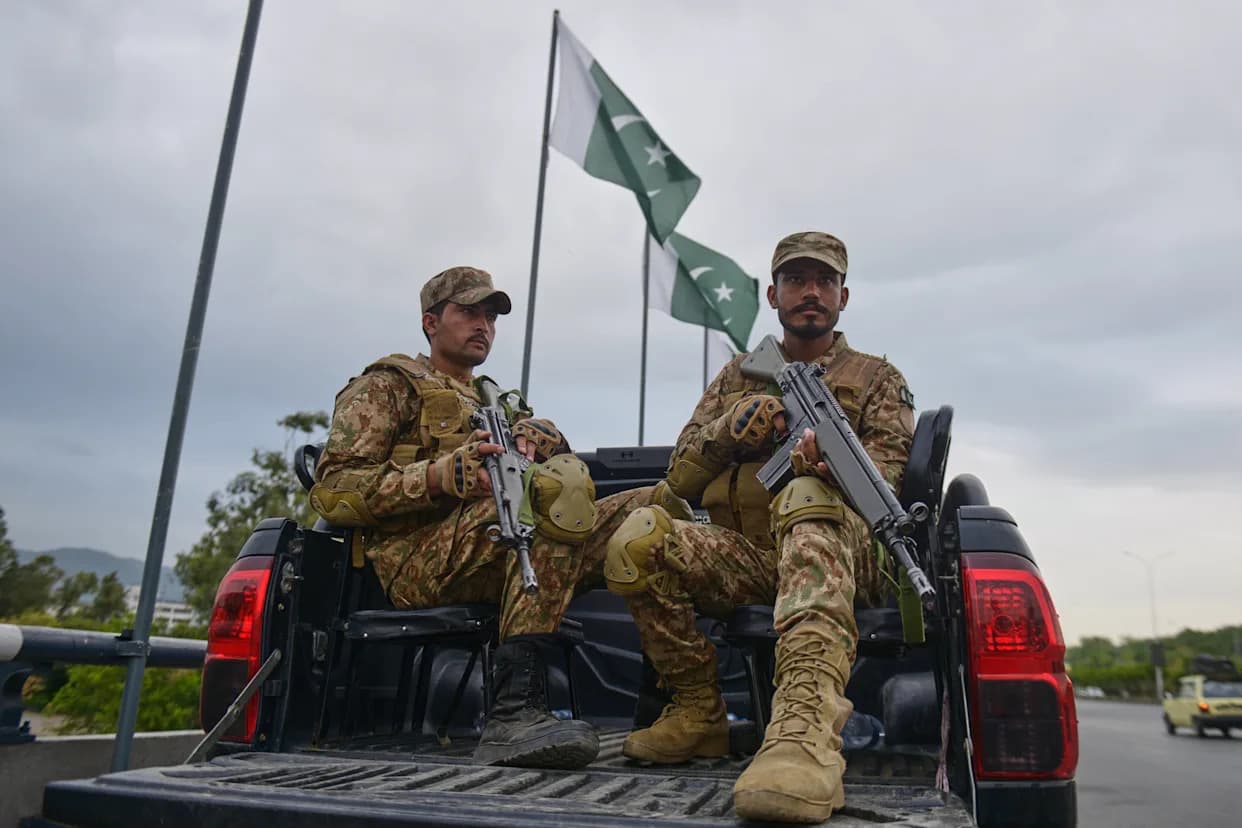
Pakistan Army soldiers take positions to ensure security in Islamabad on April 24, 2026 [MA Sheikh/AP]
A fragile truce between Pakistan and Afghanistan is under renewed strain after both sides reported fresh cross-border attacks, threatening to undo a March ceasefire that followed weeks of deadly fighting.
Latest Incidents
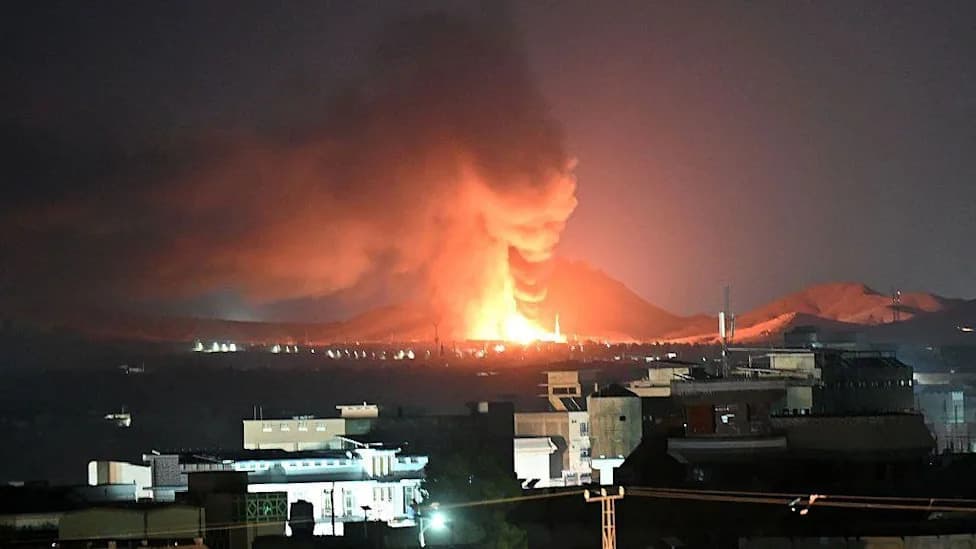
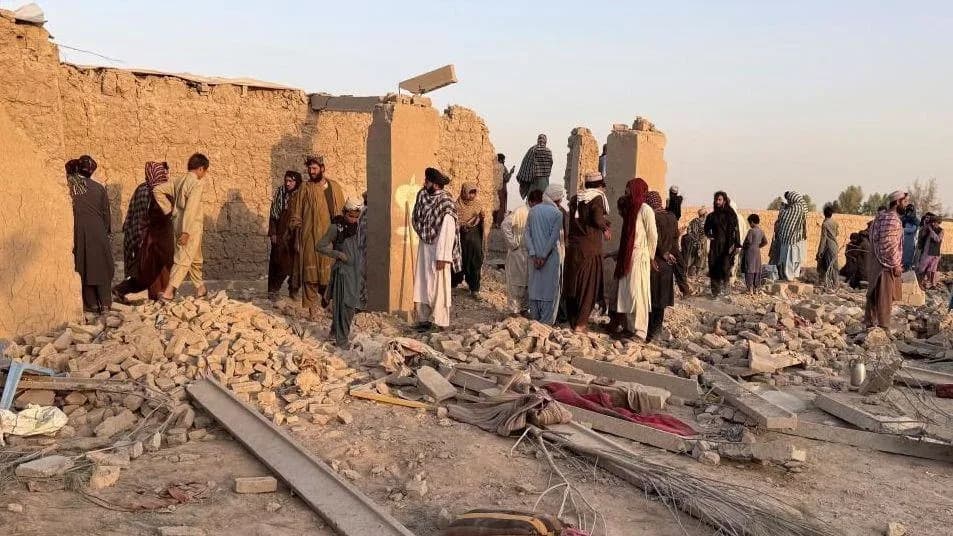
Afghan Taliban authorities said four people were killed in strikes in Kunar province and claimed Pakistani mortar and rocket fire wounded 45 people, including students, women and children. They also said homes and Sayed Jamaluddin Afghani University in Asadabad were hit.
"We strongly condemn these attacks by the Pakistani military regime, in which ordinary people, academic, and educational institutions were targeted, and declare them unforgivable war crimes," Taliban Deputy Spokesperson Hamdullah Fitrat wrote on social media.
Pakistan's Information Ministry rejected the Taliban account as a "blatant lie," insisting there was no strike on the university. Pakistani border forces reported at least three civilians were injured by gunfire in South Waziristan and described the incident as the most serious clash since the ceasefire took effect.
Broader Context
The renewed violence threatens the tentative March agreement brokered by China during intense talks that coincided with Eid al-Fitr. Other regional mediators — including Turkey, Qatar, the United Arab Emirates and Saudi Arabia — have also tried to calm tensions since the Taliban returned to power in 2021.
Security issues remain central to the rift. Pakistan demands that Afghanistan rein in the Tehreek-e-Taliban Pakistan (TTP), which Islamabad says has staged deadly attacks from bases across the border. Kabul rejects accusations that it shelters the TTP and counters that Pakistan harbours hostile groups and violates Afghan sovereignty.
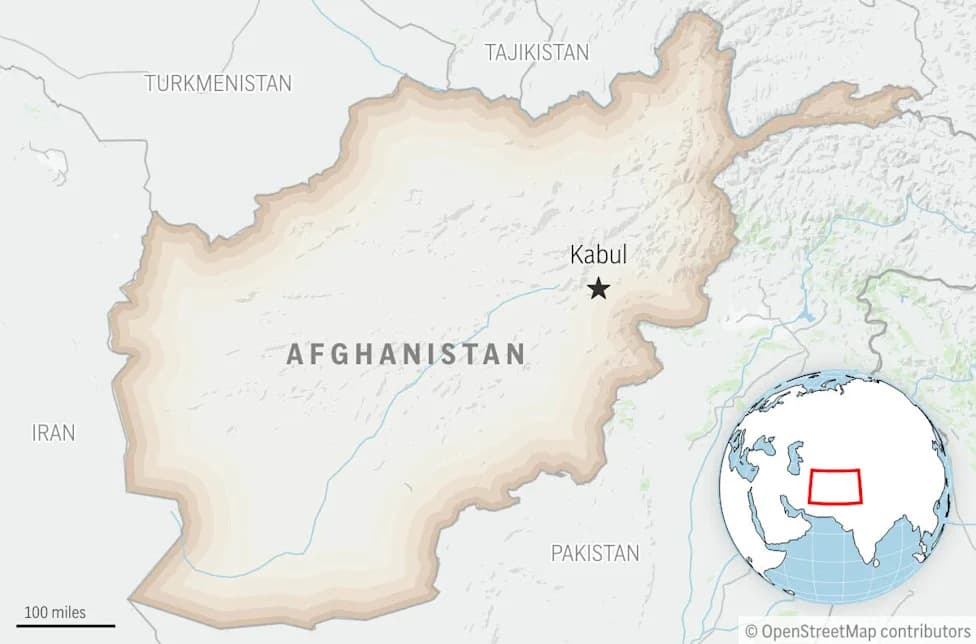
The border has been largely closed since deadly cross-border exchanges in October halted bilateral trade. The heaviest fighting in years erupted in February when Afghanistan launched operations along the 2,640 km (1,640-mile) Durand Line and Pakistan responded with air strikes on Kabul and other cities, prompting mutual accusations of "open war." A truce in March briefly eased tensions, but sporadic incidents have continued.
Afghan sources quoted by TOLOnews linked the latest flare-up to the shooting of a child by Pakistani forces on Sunday near the border city of Spin Boldak, after which Taliban fighters reportedly engaged Pakistani troops. Independent verification of some claims is limited; both sides continue to trade accusations.
What Comes Next
With both governments blaming the other, international mediators face a delicate task to prevent escalation. The situation remains volatile and could jeopardize any progress toward a durable peace unless credible investigations and restraint are agreed upon by both sides.
Help us improve.