
Hubble has captured a new, more detailed image of the Trifid Nebula nearly 30 years after its first 1997 observation, highlighting the rust-colored dense region where stars are forming. The upgraded camera installed in 2009 provided greater sensitivity and a wider field of view, revealing structures shaped by massive stars over at least 300,000 years. Located about 5,000 light-years away (Messier 20), the nebula's gas and dust will disperse over millions of years, leaving newly formed stars behind. Hubble (35 years in orbit as of April 2025) continues to work alongside Webb and future missions like the Roman Space Telescope to deepen our view of the cosmos.
Hubble Revisits the Trifid Nebula Nearly 30 Years Later — Stunning New Image and Scientific Insights
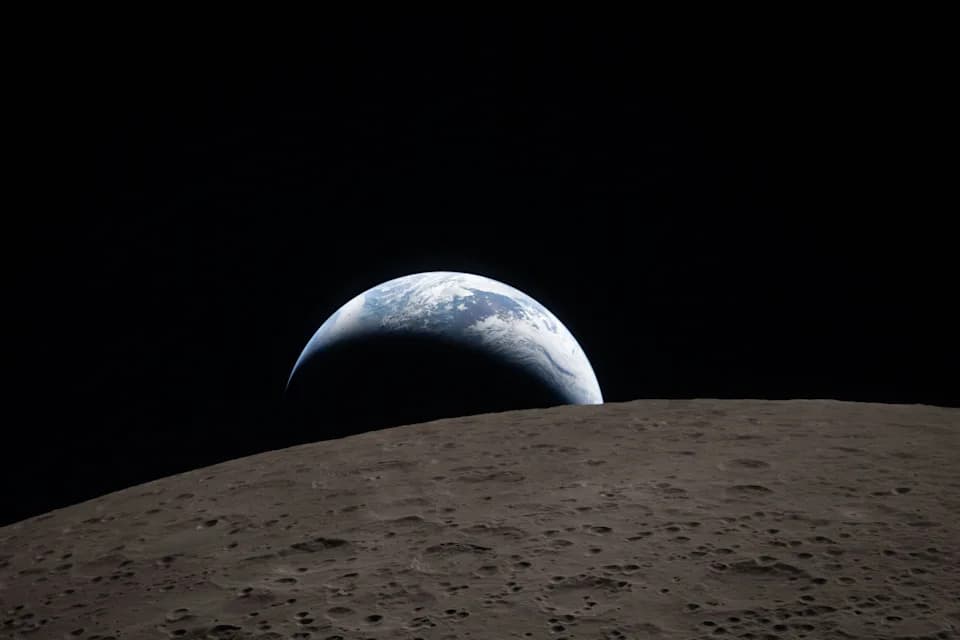
The crew of Artemis II captured a breathtaking image of a celestial event known as an "Earthset," in which the Earth dropped below the lunar horizon. The image is reminiscent of the iconic "Earthrise" photo that NASA astronaut Bill Anders captured in 1968 during the Apollo 8 mission that showed our planet rising on the lunar horizon.
NASA's Hubble Space Telescope has returned to a familiar star-forming region nearly three decades after its first detailed observation, producing a sharper, more dramatic image of the Trifid Nebula (Messier 20). The agency released the photograph as part of anniversary observances celebrating the telescope’s long service and its ongoing contributions to astronomy.
A Closer Look at the Trifid
The new image centers on the rust-colored "head and body" of the Trifid Nebula — a dense cloud of gas and dust where new stars are forming. With improved sensitivity and a wider field of view from an upgraded camera installed during the 2009 servicing mission, Hubble reveals fine structural detail that helps astronomers study how young stars interact with and reshape their environment.
NASA scientists described the nebula’s appearance as evocative of "a marine sea lemon, or sea slug," noting that the scene is "reminiscent of an underwater scene filled with fine-grained sediments fluttering through the ocean’s depths."
What the Image Shows
The Trifid Nebula is a vibrant, colorful cloud roughly 5,000 light-years from Earth in the constellation Sagittarius. First cataloged by Charles Messier in 1764, it is home to several massive stars whose winds and radiation have been sculpting the region for at least 300,000 years. Those powerful stellar winds inflate a bubble that is visible in the new Hubble view and help trigger successive waves of star formation across the cloud.
Over millions of years the gas and dust that currently define the Trifid will disperse, leaving behind the stars they helped create. Observations like Hubble’s allow astronomers to watch these processes in action and learn how stellar nurseries evolve.
Hubble’s Legacy and the Future of Space Observatories
Hubble marked 35 years in orbit in April 2025 since its 1990 launch aboard the space shuttle Discovery. During its decades of operation it has transformed our understanding of the universe — from probing exoplanet atmospheres to contributing to evidence for dark energy. The 2021 launch of the James Webb Space Telescope has enabled astronomers to combine data from both observatories to pursue new discoveries.
Looking ahead, NASA is preparing the Nancy Grace Roman Space Telescope, currently targeted to launch as early as fall 2026, which will expand wide-field infrared observations and further complement Hubble and Webb science.
Reporting credit: Eric Lagatta, Space Connect reporter for the USA TODAY Network. Original reporting appeared on USA TODAY: "Hubble telescope takes fresh look at nebula nearly 30 years later."
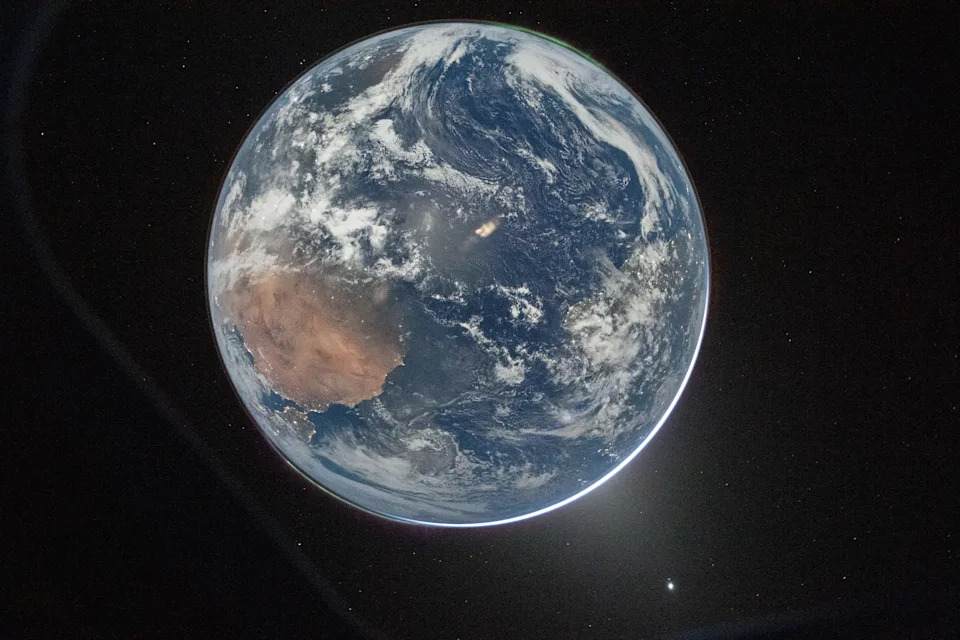
Artemis II Commander Reid Wiseman of NASA took this stunning photograph of Earth from the Orion spacecraft's window on April 2. The image is reminiscent of the iconic "blue marble" image captured during the Apollo 17 mission in 1972.
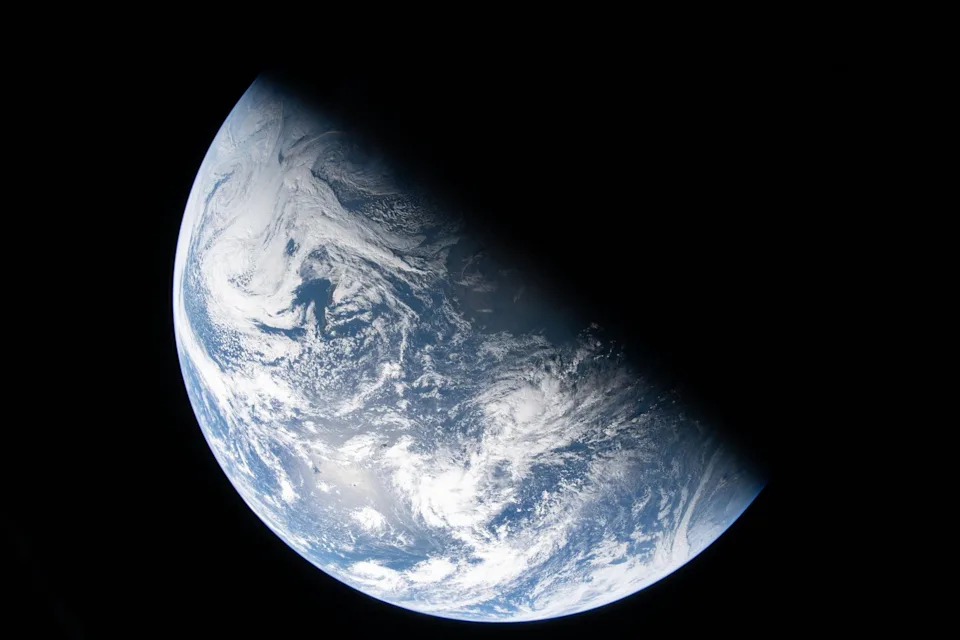
In this new image from the Artemis II crew, NASA explains that what is depicted is the "divide between night and day, known as the terminator, cutting across Earth."
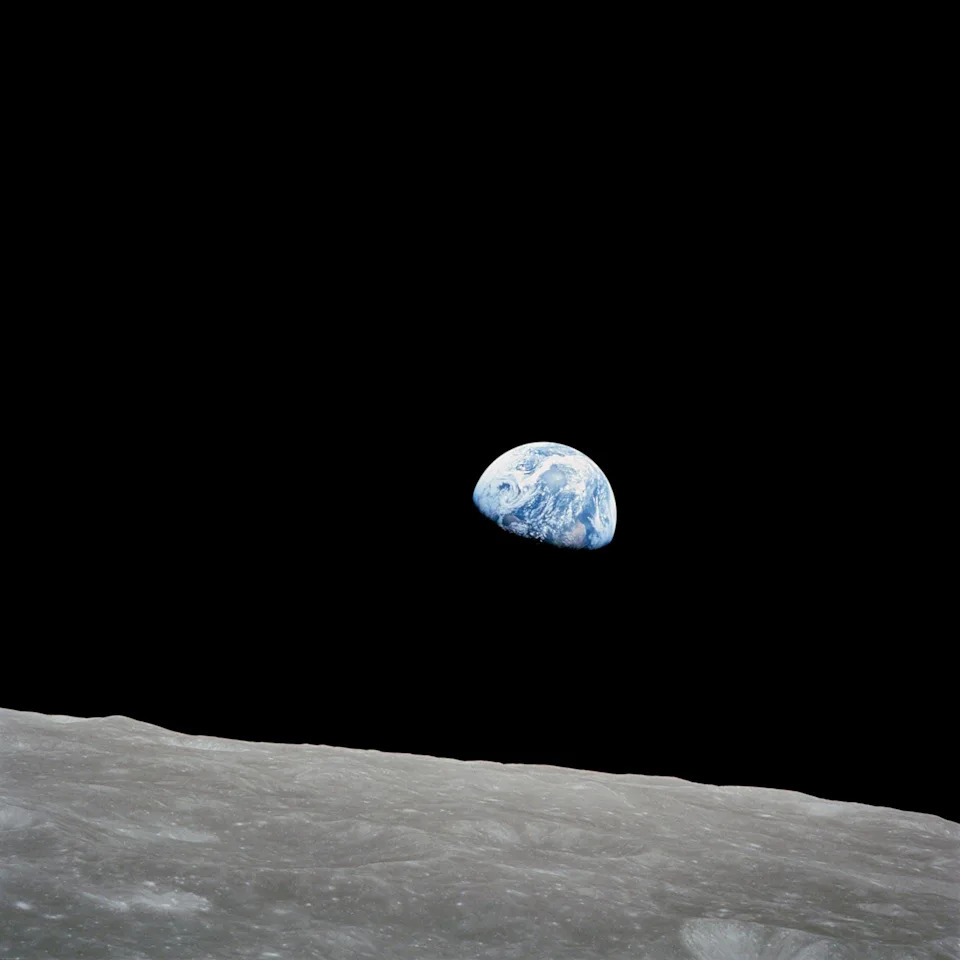
William Anders, a NASA astronaut on the historic Apollo 8 mission around the moon, took the iconic “Earthrise” photo while in lunar orbit on Dec. 24, 1968.
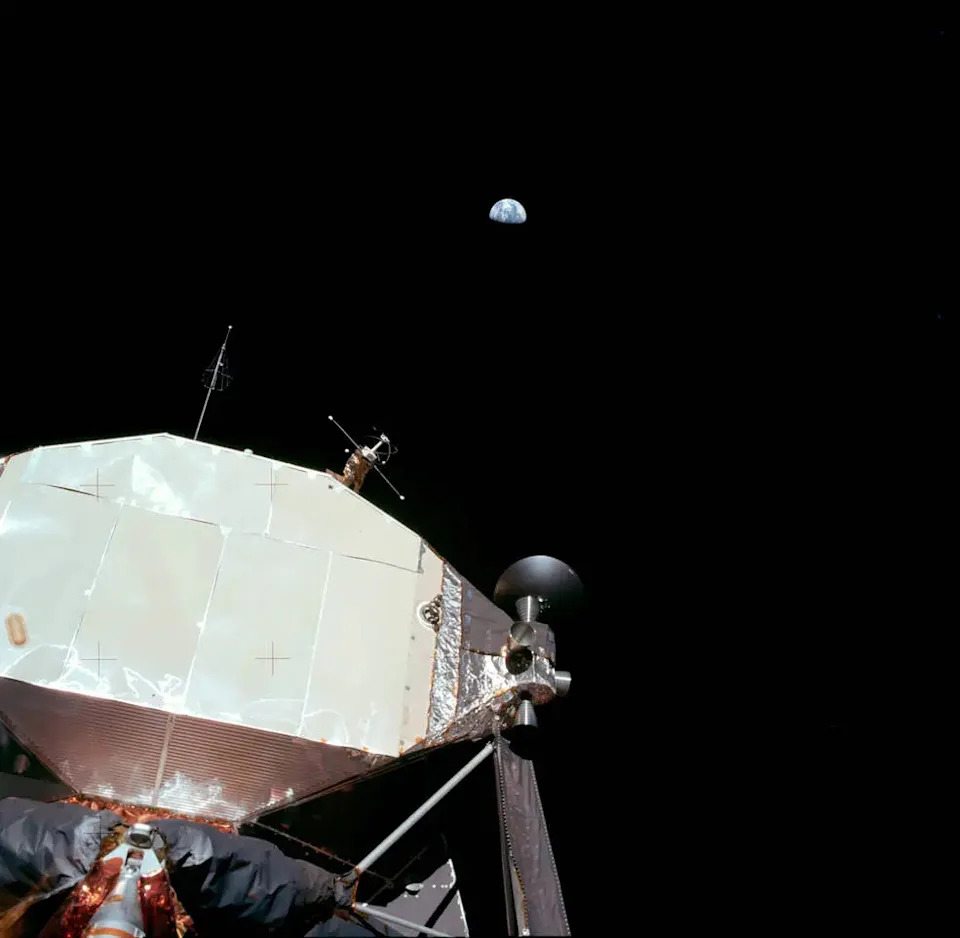
The first photograph of the Earth taken by an astronaut standing on the lunar surface, taken during the Apollo 11 Moon landing in 1969.
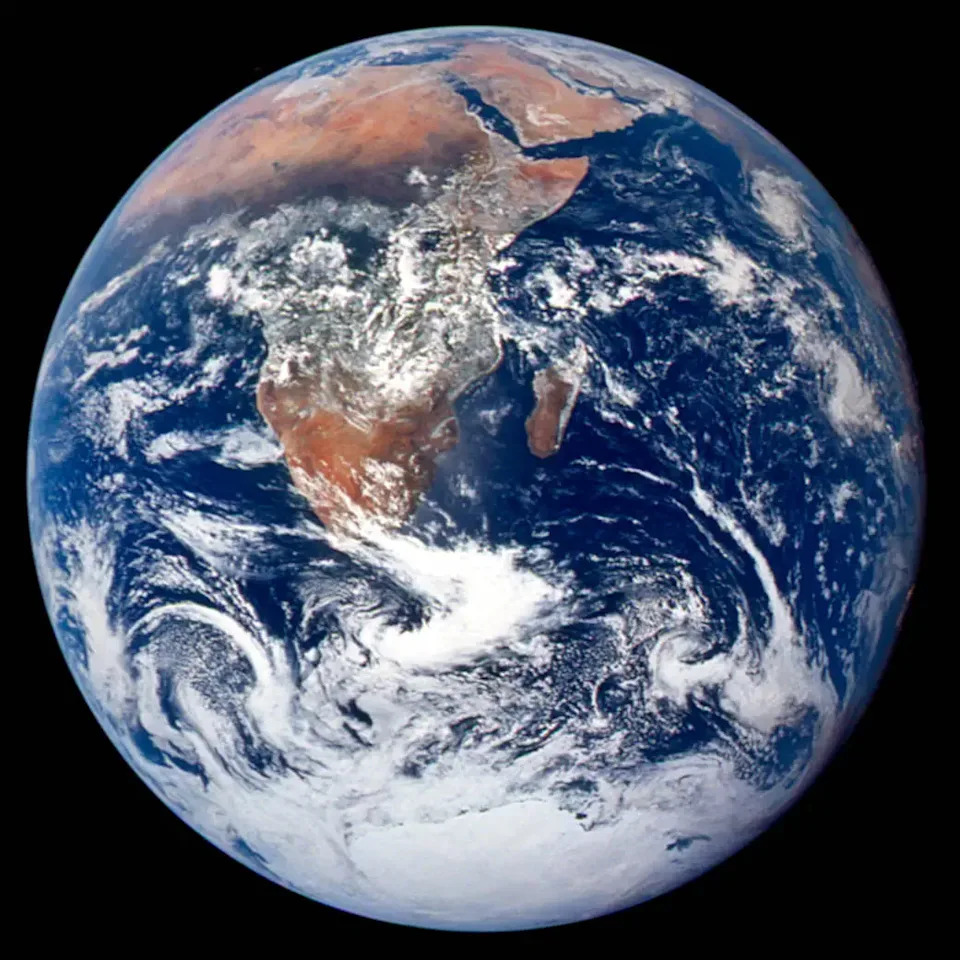
One of the most well-known photographs of Earth, the "blue marble" image was taken by the crew of the final Apollo mission (Apollo 17) as the crew made its way to the moon in 1972.
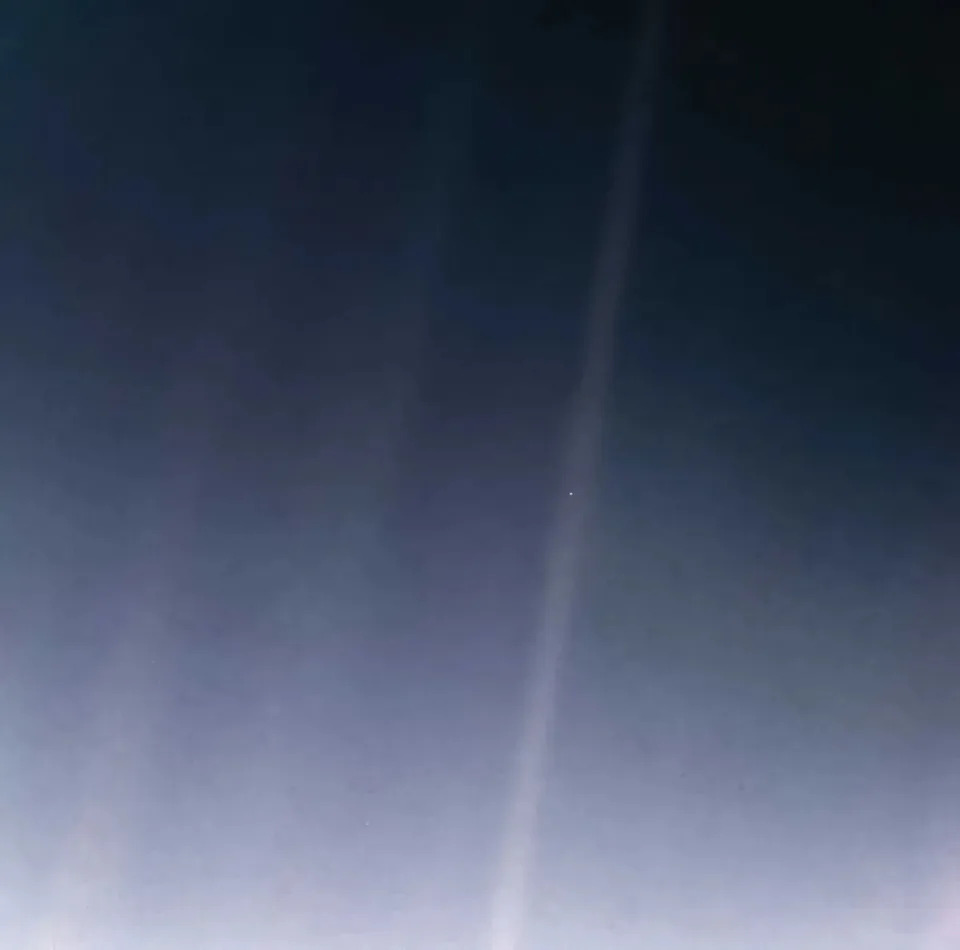
Voyager 1's 1990 photo of Earth, widely referred to as the "pale blue dot," was taken at a distance of 3.7 billion miles from the sun, making it the first photo taken beyond all the planets in our solar system. This image was created in 2020 or the 30th anniversary of the iconic picture using modern image-processing software and techniques to revisit the well-known Voyager view.
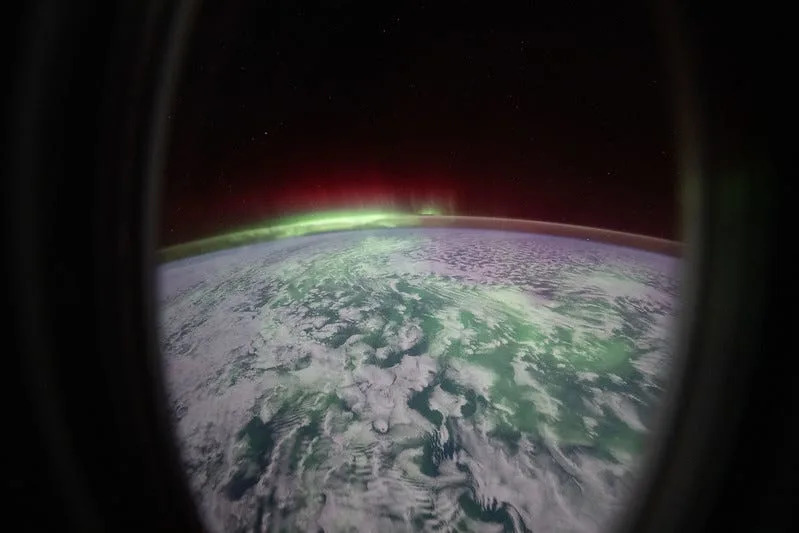
Because the International Space Station orbits so close to Earth's atmosphere (about 250 miles high,) the outpost and the astronauts who have lived aboard it have been the source of plenty of spectacular photos of our planet for 25 years. This recent photo, taken April 6, 2026, shows auroras glowing over the Indian Ocean.
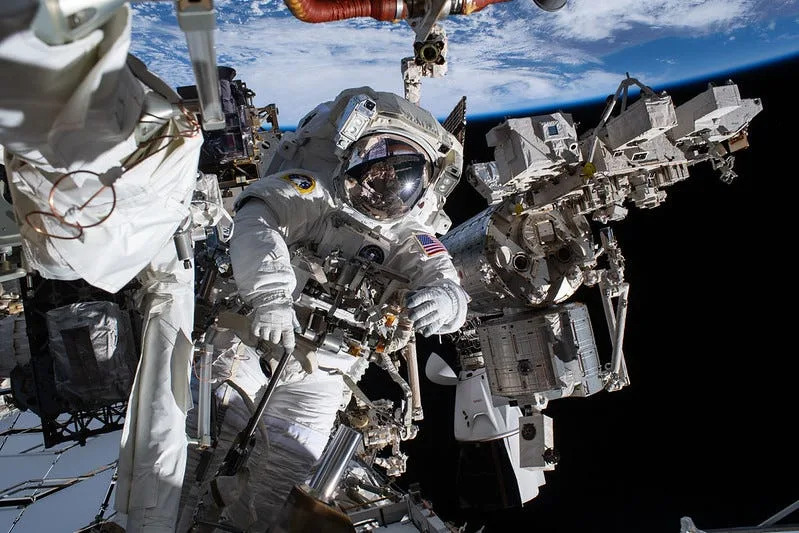
NASA astronaut Chris Williams is pictured outside the International Space Station during a March 18, 2026 spacewalk with Earth in the background.
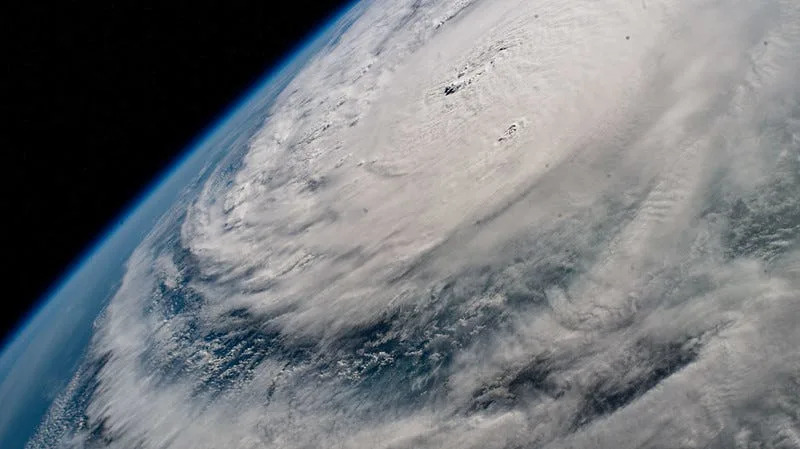
The devastating Hurricane Milton, a Category 4 storm at the time of this photograph, is pictured Oct. 8, 2024 in the Gulf of Mexico (renamed the Gulf of America) off the coast of Yucatan Peninsula from the International Space Station as it orbited 257 miles above.
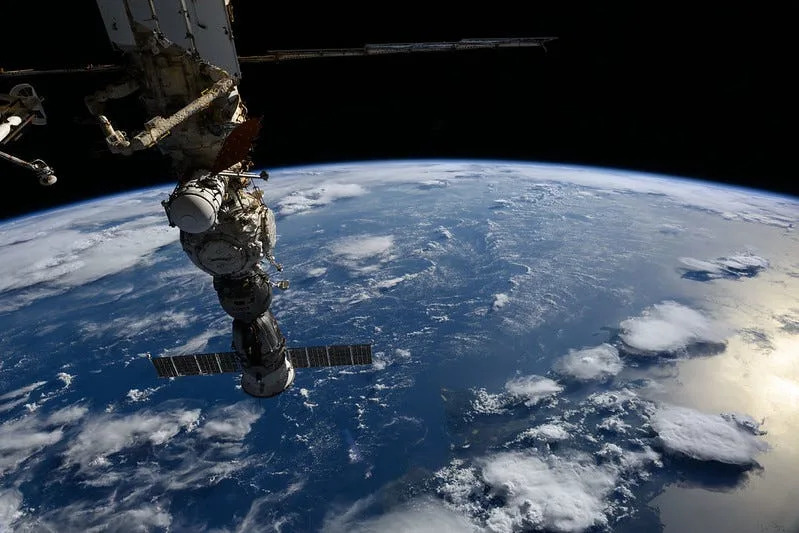
The Soyuz MS-27 crew spacecraft is pictured Sept. 14, 2025 docked to the International Space Station's Prichal module as the orbital outpost soared 257 miles above a gleaming blue Atlantic Ocean, north of the Dominican Republic.
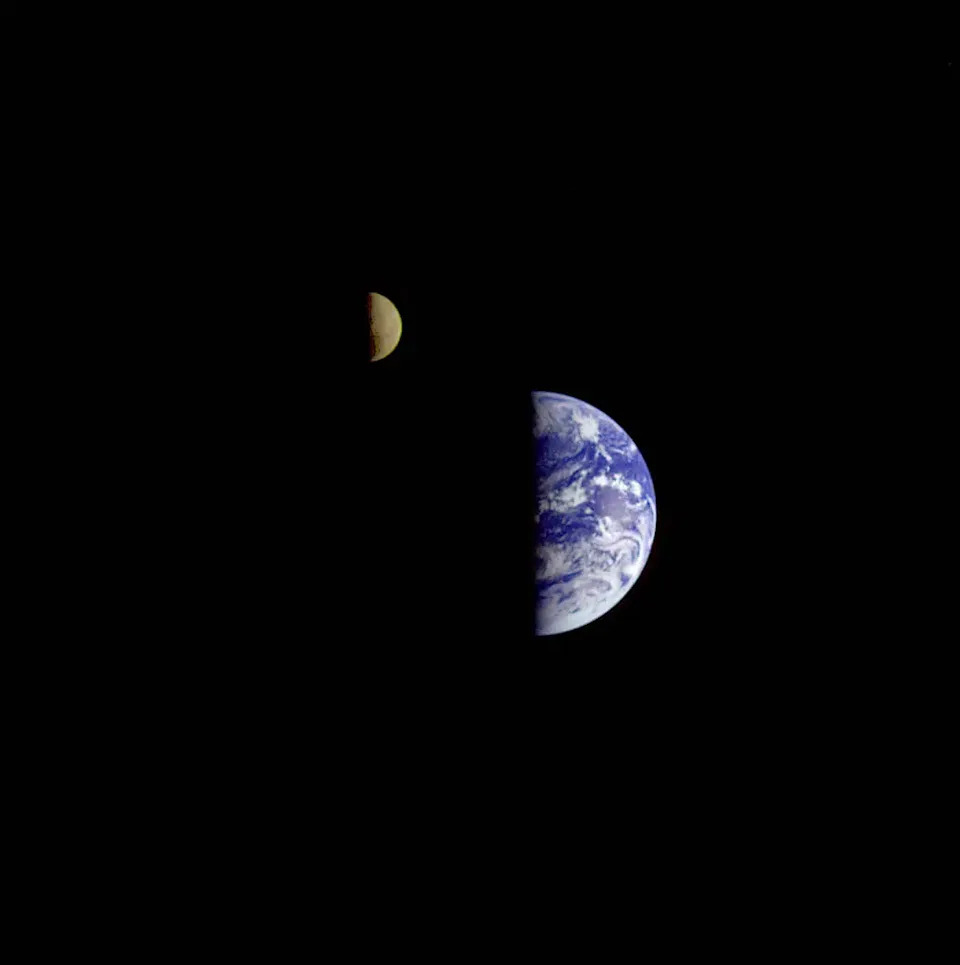
On December 16, 1992, eight days after its encounter with Earth, the Galileo spacecraft looked back from a distance of about 3.9 million miles to capture this remarkable view of the moon in orbit about Earth.
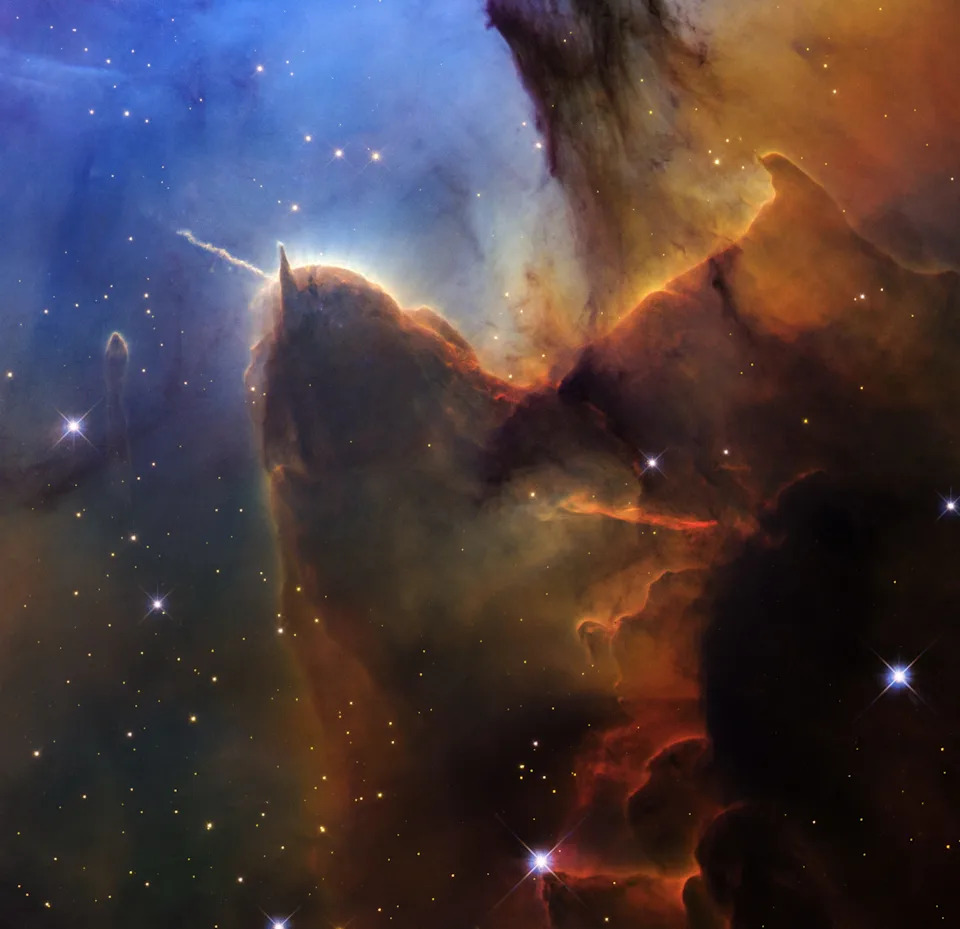
NASA celebrates Hubble’s 36th anniversary with a new image of the Trifid Nebula, a star-forming region it first captured in 1997.
Help us improve.





















