
Pakistan says it continues mediating between Washington and Tehran after planned face-to-face talks collapsed when President Trump cancelled a visit by his envoys. Iran proposed staged negotiations that would first prioritize ending hostilities and resolving Gulf shipping disputes, postponing broader nuclear talks — a plan Washington is unlikely to accept. Oil prices rose as markets reacted, Islamabad reopened after a brief lockdown, and escalating violence in Lebanon complicates prospects for a wider settlement.
Pakistan Presses On: Mediators Work to Narrow US–Iran Rift After In-Person Talks Collapse
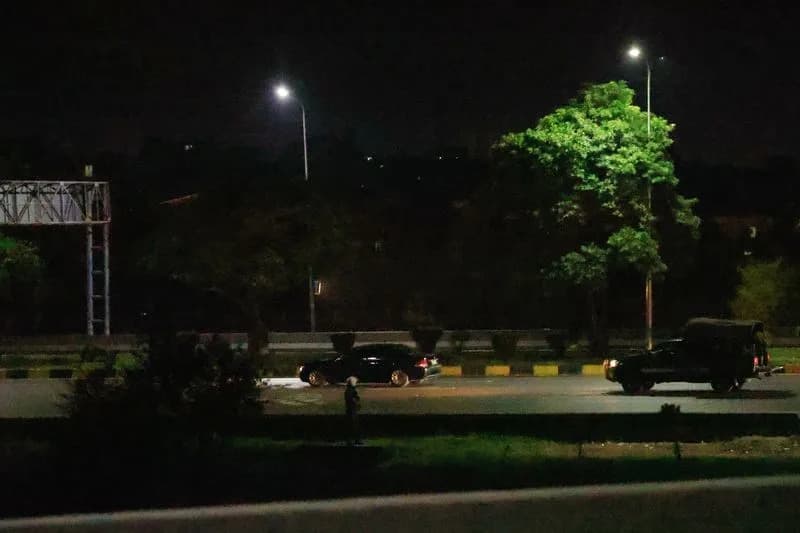
A motorcade believed to be carrying Iranian Foreign Minister Abbas Araghchi upon his departure, as Pakistan prepares to host the U.S. and Iran for the second phase of peace talks in Islamabad, Pakistan, April 26, 2026. REUTERS/Akhtar Soomro
Diplomatic efforts to narrow the gulf between the United States and Iran are continuing under Pakistani mediation, despite the collapse of planned face-to-face talks after U.S. President Donald Trump cancelled a visit by his envoys and suggested Iran should call if it wants a deal.
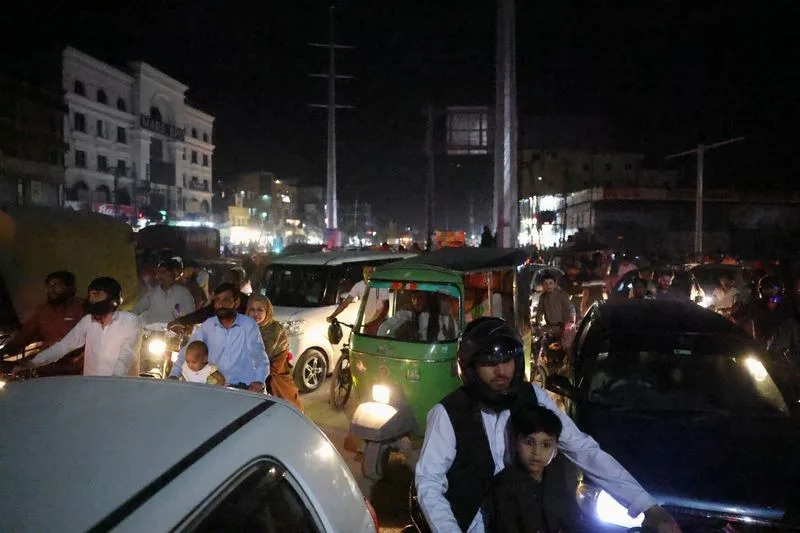
People wait as roads are blocked for a motorcade believed to be carrying Iranian Foreign Minister Abbas Araghchi to drive through, as Pakistan prepares to host the U.S. and Iran for the second phase of peace talks in Islamabad, Pakistan, April 26, 2026. REUTERS/Akhtar Soomro
Tehran's Staged Proposal
Senior Iranian sources told Reuters that Tehran's latest proposal — carried to Islamabad by Deputy Foreign Minister Abbas Araqchi — would break talks into stages. The first phase would aim to end the fighting, secure guarantees that strikes would not resume, and resolve the standoff over Gulf shipping and control of the Strait of Hormuz. Only after those steps would negotiators take up wider, more contentious issues such as Iran's nuclear programme, including Tehran's request for some recognition of its right to enrich uranium for peaceful uses.
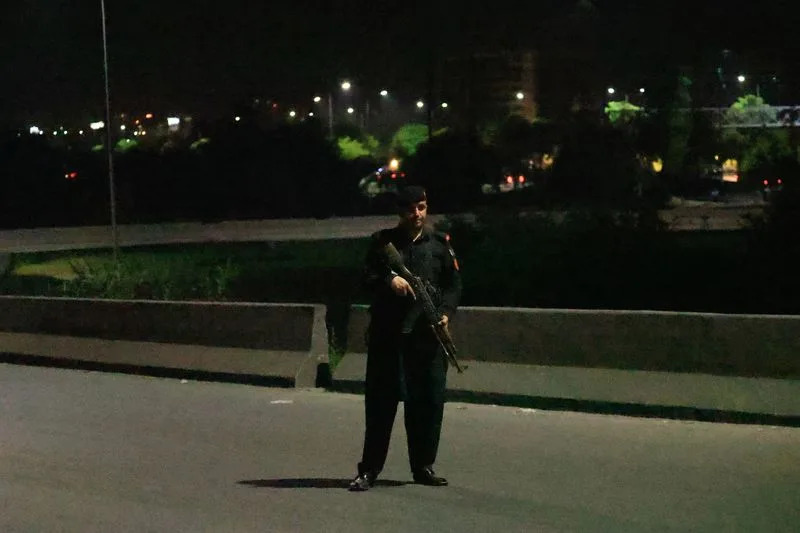
A member of security forces stands guard as Pakistan prepares to host the U.S. and Iran for the second phase of peace talks in Islamabad, Pakistan, April 26, 2026. REUTERS/Akhtar Soomro
Remote Negotiations Remain Active
Pakistani officials say negotiations are ongoing remotely. Streets and venues in Islamabad that had been locked down in anticipation of in-person talks were reopened after President Trump cancelled the envoys' trip. A Pakistani source said: "The draft will be negotiated remotely till they reach some consensus."
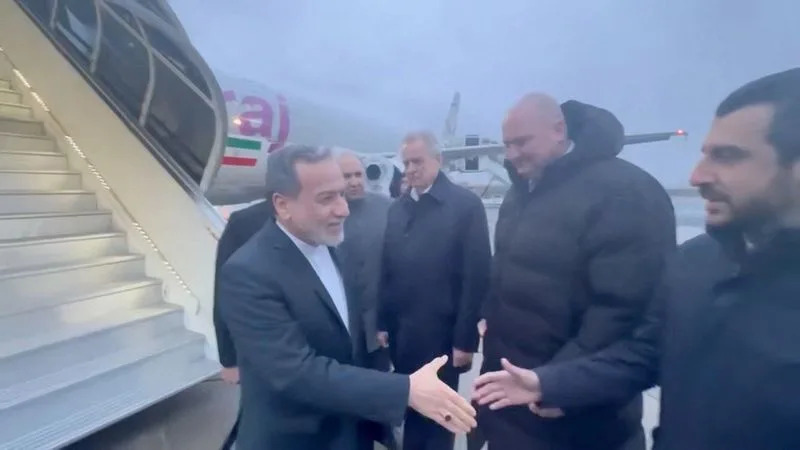
Iran's Foreign Affairs Minister Abbas Araqchi is greeted by officials, according to Iran's media, during his visit to Russia for talks with Russian President Vladimir Putin, in a place given as St. Petersburg, Russia, in this screenshot from a video released on April 27, 2026. Seyed Abbas Araghchi via Telegram/Handout via REUTERS
U.S. Position And Cancelling Of Envoys' Visit
Washington has been clear that it insists nuclear issues be addressed from the outset. President Trump, speaking on Fox News, said: "They cannot have a nuclear weapon; otherwise, there's no reason to meet." He also said the envoys' trip — by Steve Witkoff and Jared Kushner — was cancelled because the Iranian offer was insufficient for the travel and expense involved.
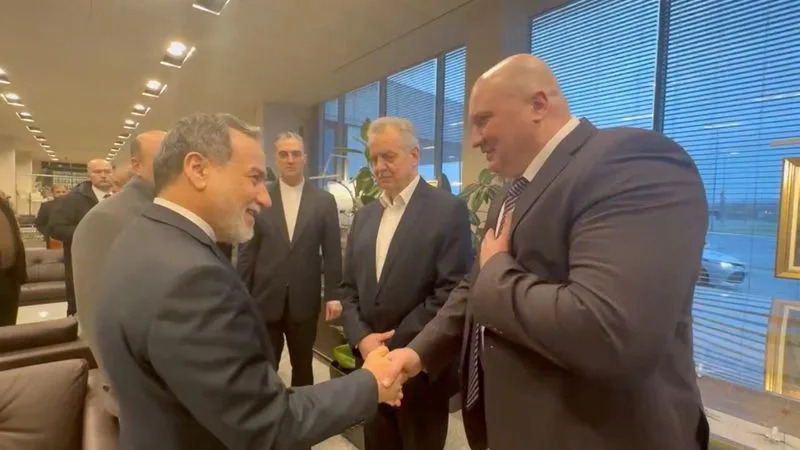
Iran's Foreign Affairs Minister Abbas Araqchi is greeted by officials, according to Iran's media, during his visit to Russia for talks with Russian President Vladimir Putin, in a place given as St. Petersburg, Russia, in this screenshot from a video released on April 27, 2026. Seyed Abbas Araghchi via Telegram/Handout via REUTERS
Economic And Regional Fallout
With major differences unresolved — notably nuclear limits and navigation rights through the Strait of Hormuz — markets reacted quickly: Brent crude climbed about 2.5% to roughly $108 a barrel when trade reopened. Iran has largely blocked non‑Iranian shipping through the strait since the conflict began, and the United States has begun blockading Iranian vessels, a condition Tehran says must be lifted before meaningful talks can proceed.
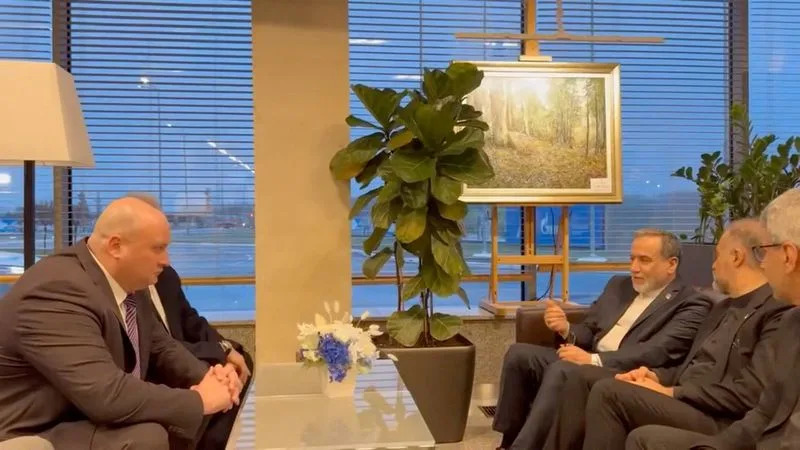
Iran's Foreign Affairs Minister Abbas Araqchi talks with officials, according to Iran's media, during his visit to Russia for talks with Russian President Vladimir Putin, in a place given as St. Petersburg, Russia, in this screenshot from a video released on April 27, 2026. Seyed Abbas Araghchi via Telegram/Handout via REUTERS
Domestic Political Pressure And Regional Violence
President Trump faces domestic pressure over slipping approval ratings to end the unpopular war. Meanwhile, fighting intensified in Lebanon: Israeli strikes in the south killed 14 people and wounded 37, the deadliest day since a U.S.-brokered ceasefire in mid-April. Iran has said it will not enter broader negotiations unless a ceasefire also holds in Lebanon.
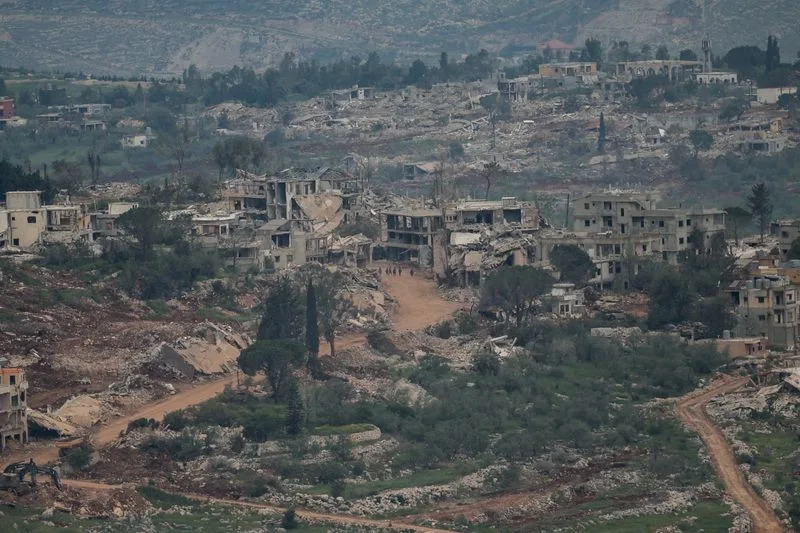
Israeli soldiers walk amid destroyed buildings in Lebanon, as seen from the Israeli side of the Israel-Lebanon border, in northern Israel, April 26, 2026. REUTERS/Shir Torem TPX IMAGES OF THE DAY
Outlook
For now, mediators in Pakistan continue shuttle diplomacy and remote drafting, but important strategic disputes — over nuclear constraints, maritime control, and regional ceasefires — remain unresolved. Both sides appear prepared for a prolonged test of wills, weighing whether they can absorb economic pain before conceding ground. The timing and format of any return to in-person diplomacy will likely depend on whether negotiators can reach preliminary consensus remotely.
Help us improve.





















