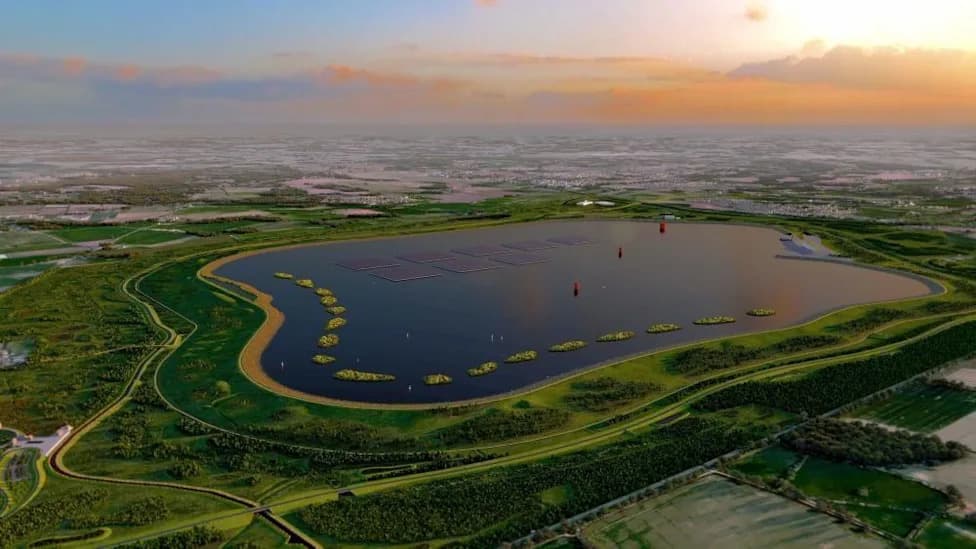
Herefordshire's Lugg Moratorium, introduced in 2019 to protect the River Lugg, has halted riverside building and left an estimated 2,000 homes and renovations on hold. Jane and Tony Coyle lived in temporary accommodation while waiting until 2025 for planning permission, incurring tens of thousands in extra costs. About 4,500 people have joined a High Court claim alleging pollution from poultry farms and sewage; the named firms deny the allegations and point to significant recent investment in water quality.
‘We’re Living In A Shed’: River Lugg Pollution Halts Homes And Hits Herefordshire Economy
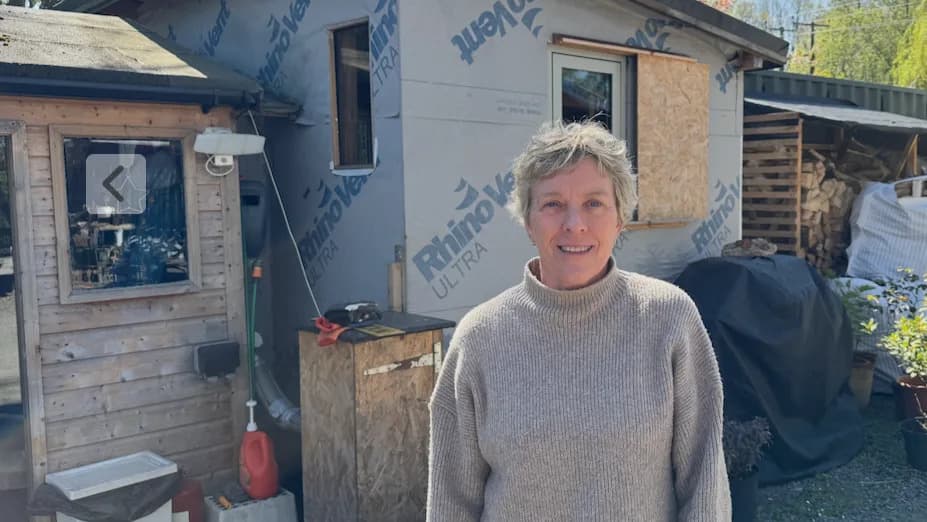
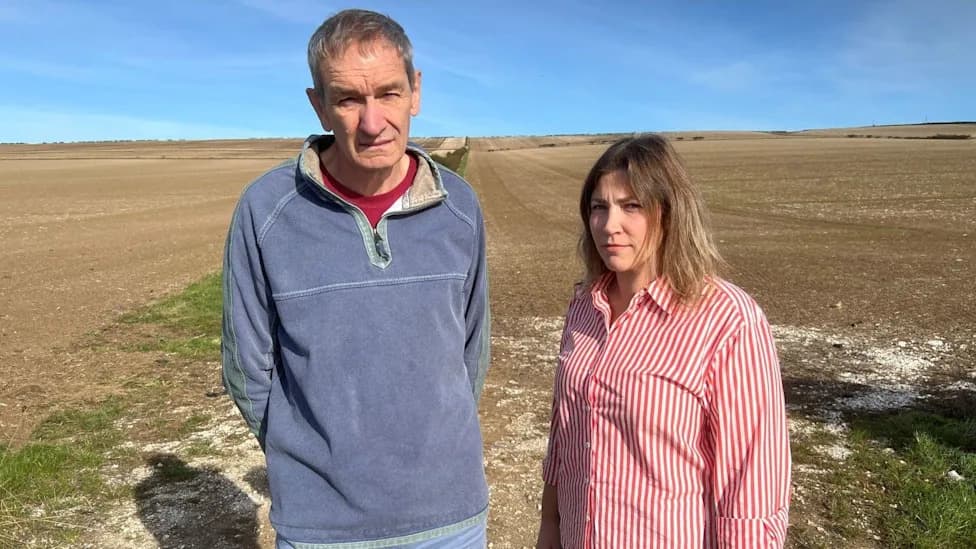
Jane says they only expected to be living in this shed for a few months [BBC]
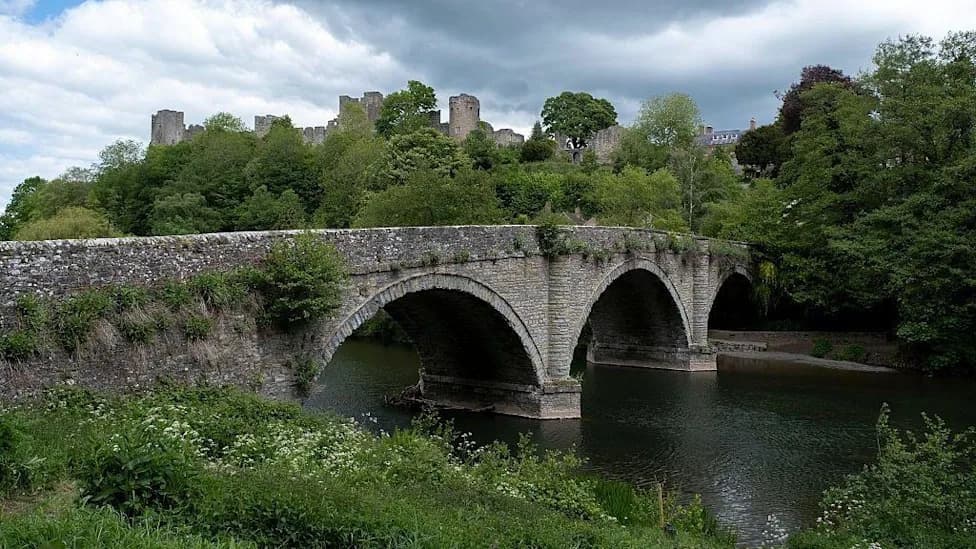
Residents and businesses across Herefordshire warn that ongoing pollution in the River Lugg has stalled development, damaged the local economy and left some families living in temporary accommodation on building plots.
Families and builders left in limbo
Since 2019 Herefordshire Council has enforced the so-called Lugg Moratorium, restricting riverside development to protect the vulnerable waterway from rising phosphate and nitrate levels. The policy allows developers to buy mitigation credits — funds that support wetland creation — to offset the pollution impact of new building.
Jane and Tony Coyle bought a plot in Edwyn Ralph in 2018 with permission for a five-bedroom bungalow but later reapplied to build a smaller, sustainable three-bedroom home using timber, air-source heating and solar panels. While their application was repeatedly delayed by planning restrictions tied to river pollution, the couple lived on site first in a caravan and then in a shed.
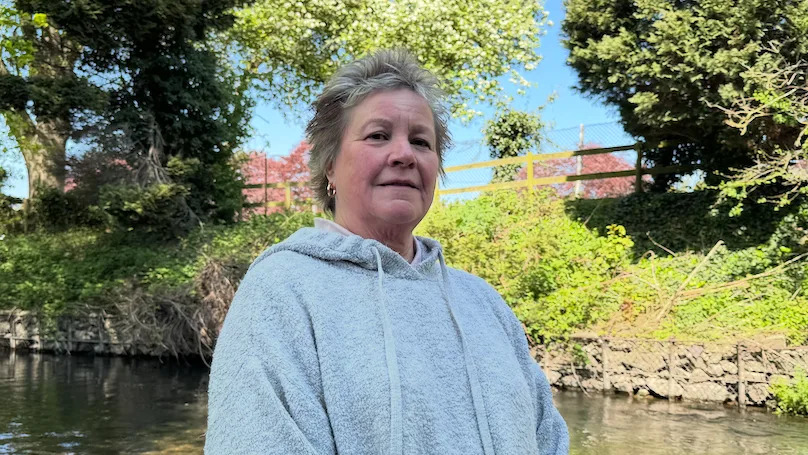
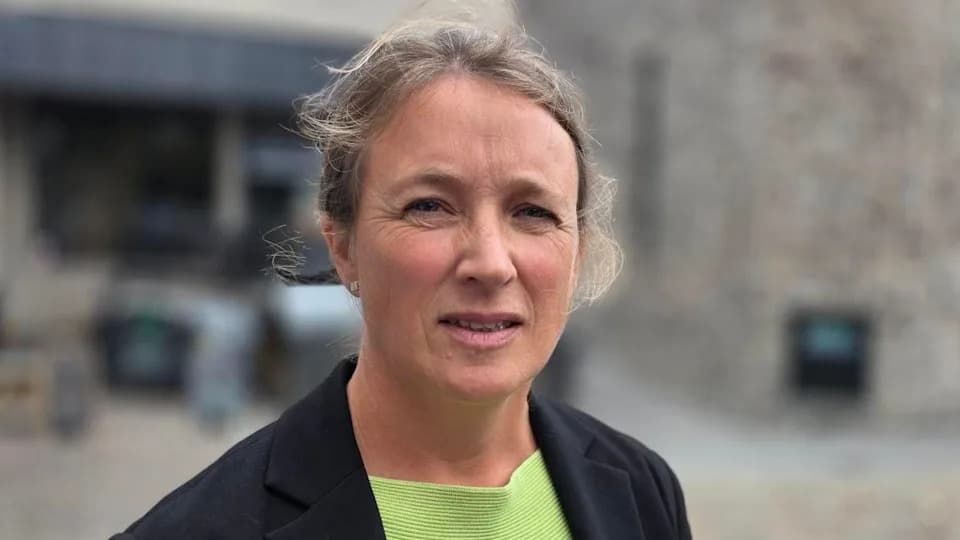
Tessa Smith-Winnard says the pollution is affecting Leominster's economy [BBC]
”This delay has cost us time, money and health,” Jane Coyle said, noting that permission was finally granted in 2025 but only after tens of thousands of pounds were spent on legal fees, phosphate credits and rising building costs.
Legal action and contested causes
About 4,500 people have joined a High Court claim that opens in London, alleging that industrial-scale poultry farming and sewage discharges are driving pollution across the Wye, Lugg and Usk catchments. The lawsuit names poultry producers Avara Foods and its Freemans of Newent subsidiary, together with Welsh Water. All three defendants deny the allegations.
Avara says the claim misunderstands the science and is not supported by evidence. Welsh Water described the case as misguided and pointed to more than £76 million of investment in the last five years to improve water quality across the three rivers, warning that financial penalties could reduce funds available for essential services.
Economic and community impact
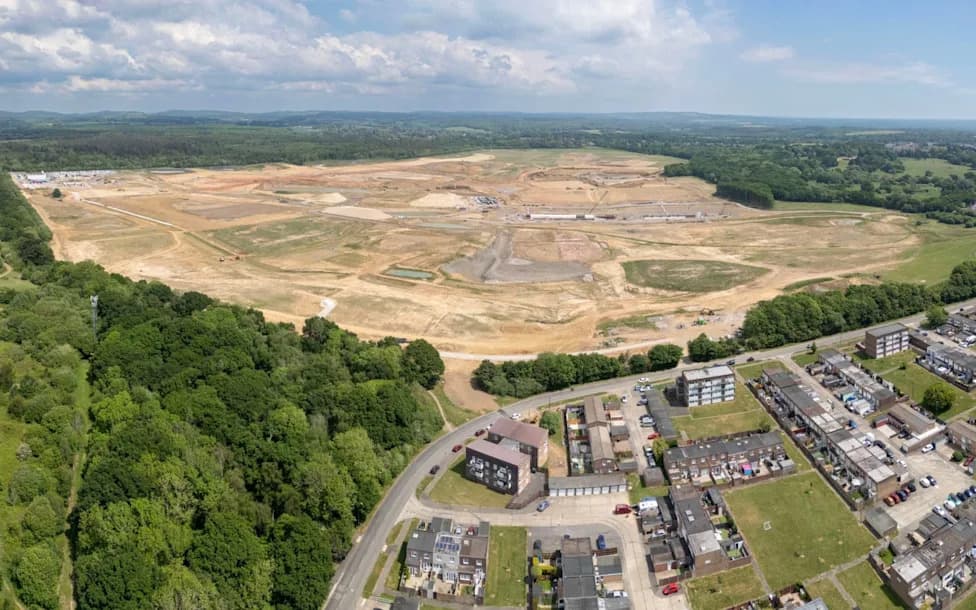
Leominster Town Council estimates the moratorium has put roughly 2,000 new homes and renovation projects on hold, with wide-reaching effects on the local economy. Town Mayor Tessa Smith-Winnard said the restrictions are straining housing availability and harming wildlife and tourism, while local traders report quieter evenings and fewer customers.
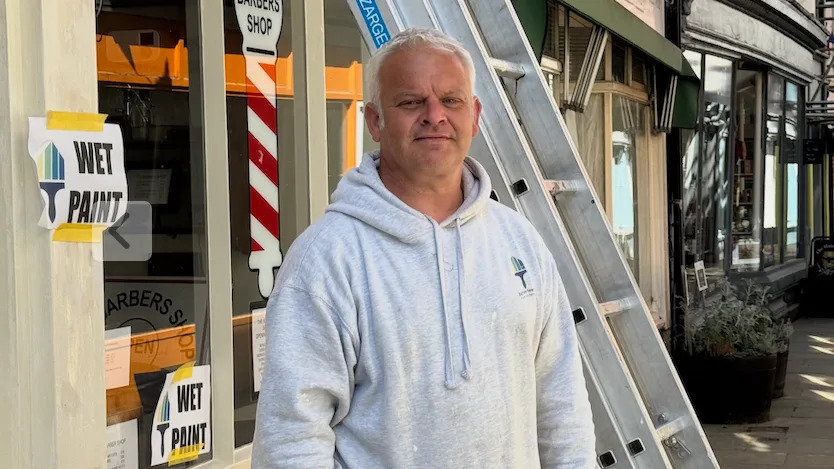
Matthew Newman says Leominster needs new homes and businesses [BBC]
Tradespeople and homeowners say planning delays are causing historic buildings to deteriorate as renovations stall. Painter and decorator Matthew Newman said many properties in Leominster are “rotting” because owners cannot start or complete works as quickly as needed.
What’s at stake
The dispute raises difficult questions about balancing environmental protection with community needs. Supporters of the moratorium insist it is necessary to restore fragile waterways and protect long-term natural assets; critics point to immediate social and economic harms from stalled housing and stalled investment.
The High Court case will test whether intensive poultry farming practices and sewage management are legally responsible for the river pollution that triggered the moratorium, or whether other causes and mitigation efforts point to different solutions.
Key facts: Lugg Moratorium introduced in 2019; Coyles waited until 2025 for planning permission; around 4,500 people have joined the High Court claim; Leominster estimates c.2,000 projects affected; Avara, Freemans of Newent and Welsh Water deny wrongdoing.
Help us improve.