Nottingham Trent University researchers recorded subtle hive vibrations for a year and found the honeybee "whoop"—previously called a "stop" signal—is usually a spontaneous expression of surprise when bees bump in crowded hive areas. Accelerometers sometimes detected six to seven whoops per minute in local zones, and cameras linked the sounds to brief collisions. The team is now exploring whether higher whoop rates indicate colony stress, which could make the signal a useful, noninvasive hive-health metric.
Honeybees' Polite 'Whoop': A Surprise Gasp, Not A Warning
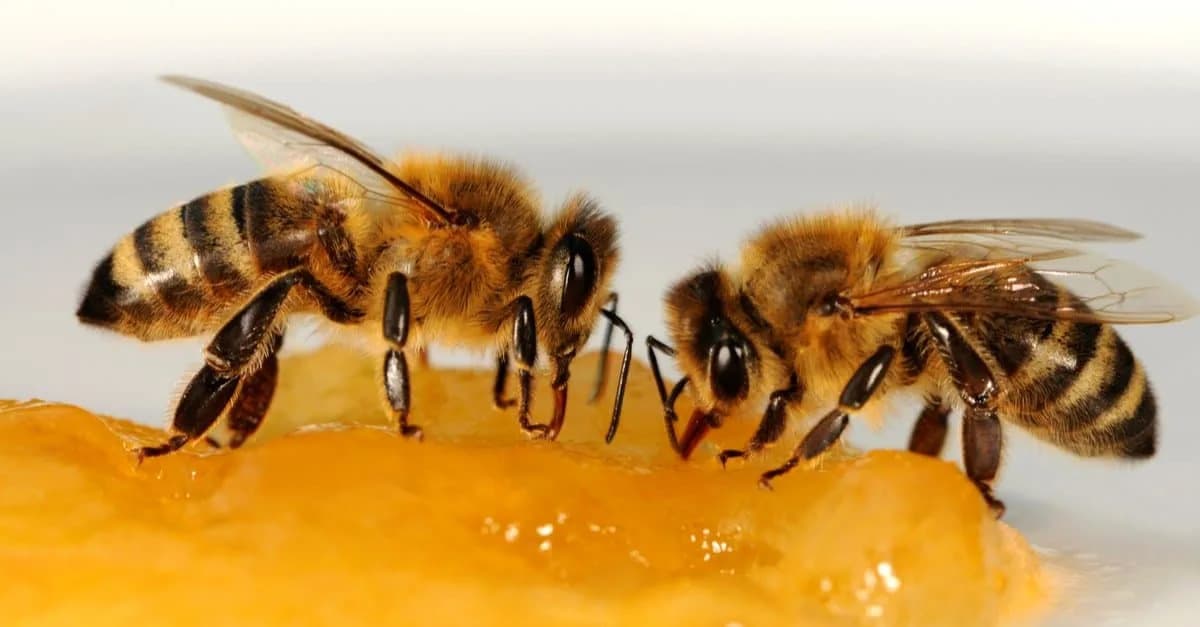
two bees eating honey© schubbel/Shutterstock.com
Few animals capture our curiosity like the honeybee. Beyond making honey, honeybees display complex social behaviors and a sophisticated language of vibrations and movements. A new study from Nottingham Trent University reframes a familiar hive sound: the sharp "whoop" long labeled a "stop" signal appears more often to be an involuntary expression of surprise when bees jostle one another in the crowded hive.
What Researchers Did
The team placed accelerometers between two hives and recorded continuous vibrations for a full year. They then used software to isolate faint whooping vibrations and installed cameras to match sounds with bee behavior. Unlike earlier experiments that provoked inhibitory behavior, this study prioritized natural hive conditions to see how often and why the whoops actually occur.
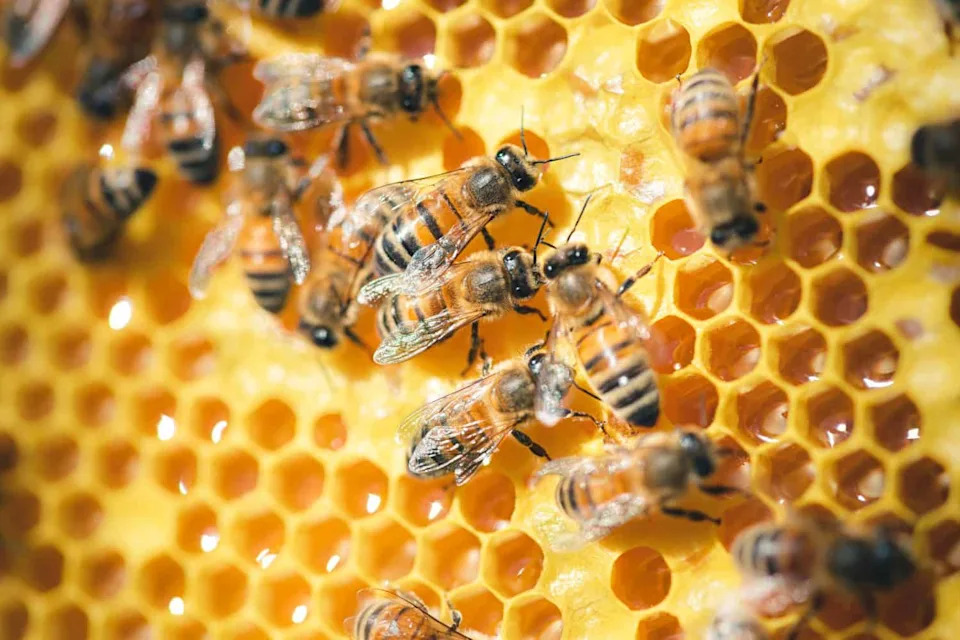
Bees have a surprisingly complicated communication framework, one that uses dancing and vibrations.©Alexander Wallstrom/Shutterstock.com
What They Found
Accelerometers sometimes registered six or seven whoops per minute in small hive areas. Camera footage showed the whoops most often followed brief collisions or close contact between bees moving through dim, crowded passages. Rather than functioning primarily as a deliberate "get out of the way" signal, the sound appears to be more like a quick exclamation — akin to "whoa" or "oh" — produced when a bee is startled.
"There’s no way a bee was trying to inhibit another one that frequently, and there’s no way a bee would request food that frequently," said Martin Bencsik, a physicist on the team, explaining why the frequency makes a strict inhibitory interpretation unlikely.
How This Fits With Known Bee Communication
The whoop joins a broader acoustic and vibrational repertoire. For example, queens produce "piping" signals to announce themselves or respond to rivals, colonies collectively hiss when threatened, and foragers perform the famous waggle dance — often accompanied by low-frequency buzzing — to direct nestmates to food. The new findings refine how we interpret another piece of that complex puzzle.
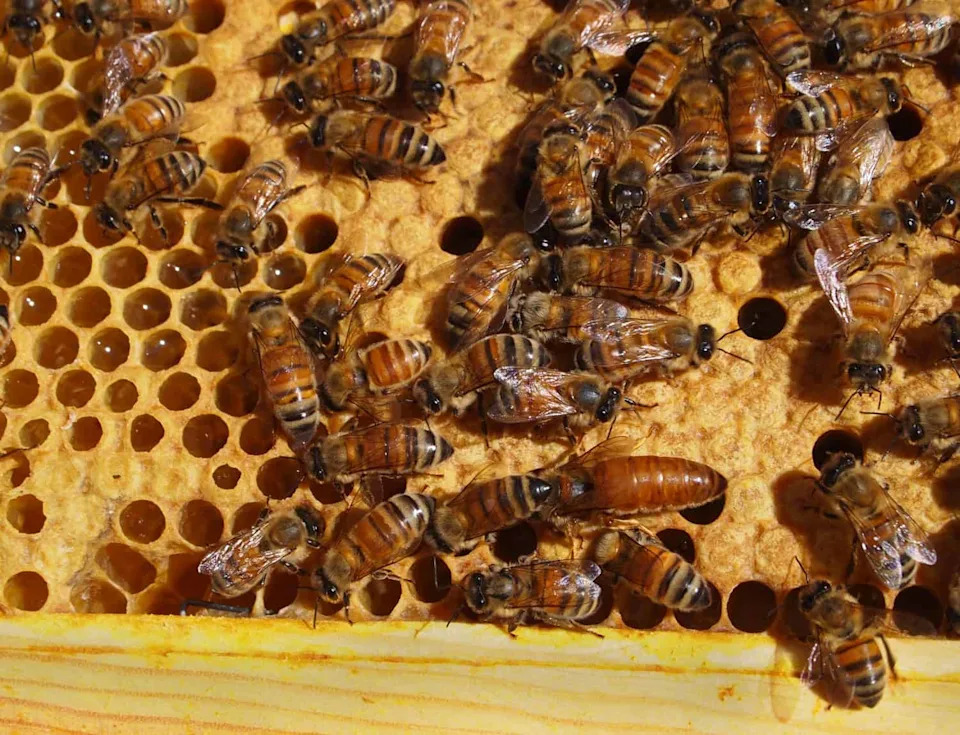
Researchers learned that the whooping sounds bees make are more of a surprise signal than a warning.©duckeesue/Shutterstock.com
Practical Implications
Researchers are now testing whether stressed or unhealthy colonies whoop more frequently than healthy ones. Michael Ramsay, a member of the study team, suggests the methods could become a noninvasive way to monitor hive health and assess colony status for these crucial pollinators.
Bottom line: The humble whoop is more likely a spontaneous, social exclamation produced during routine hive traffic than a targeted warning. Listening to these tiny sounds could offer a new tool for beekeepers and researchers to gauge colony wellbeing.
Help us improve.