Earth Day week delivered worrying climate signals and striking discoveries: a new study warns the Atlantic Meridional Overturning Circulation may be nearer to collapse than thought, satellite imagery reveals oil spills in the Persian Gulf, and El Niño could arrive by May. In the lab, flexible printed artificial neurons fired in sync with mouse cells — a step toward brain-like computing. Archaeologists also found a Roman-era Egyptian mummy containing a fragment of Homer’s Iliad.
This Week in Science: Atlantic Current at Risk, Printed Artificial Neurons Sync With Live Cells, and an 'Iliad' Inside a Mummy
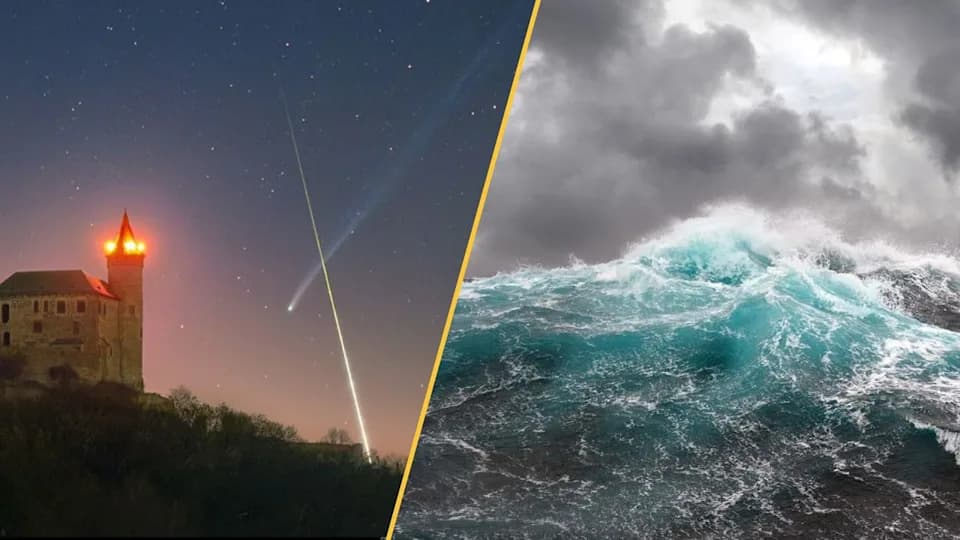
The AMOC moves closer to collapse, scientists create artificial neurons, the "Iliad" is found inside and Egyptian mummy, and researchers search for treatments for brain-eating amoebas . | Credit: Petr Horálek/Josef Kujal | andrej67 via Getty images
We marked Earth Day this week as a string of science reports underscored worrying signals about the planet and offered glimpses of surprising discoveries in technology and archaeology.
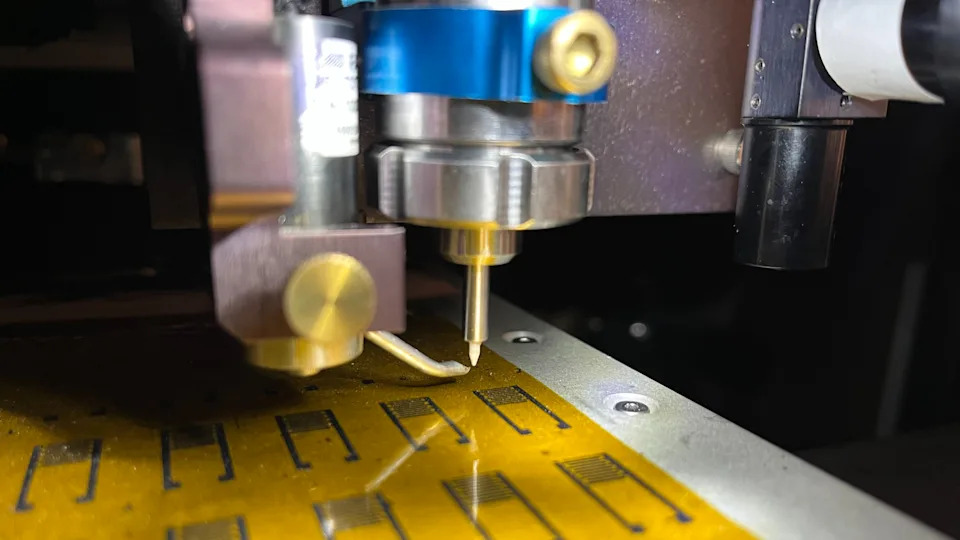
To make the artificial neurons, the researchers use an aerosol jet printer to deposit electronic inks onto a flexible polymer substrate. | Credit: Northwestern University/Amanda B. Morris
Climate And Oceans
New research suggests the Atlantic Meridional Overturning Circulation (AMOC) — the ocean current system that helps transport heat and sequester carbon for Western Europe and the U.S. East Coast — may be closer to a critical slowdown or collapse than previously estimated. The study used updated observational data and novel analysis methods to argue that existing risk estimates could be optimistic. Some researchers have even floated extreme engineering ideas, such as a proposed dam across the Bering Strait, though such concepts remain highly speculative and controversial.
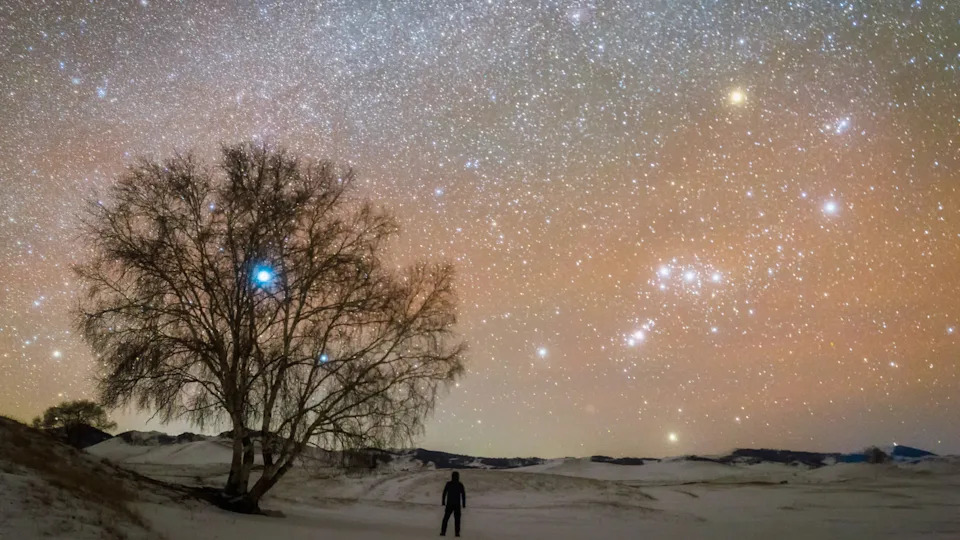
The Orion constellation can be clearly seen in the winter in the Northern Hemisphere. In the Southern Hemisphere, it's high in the night sky during the summer, but it appears upside down. | Credit: wenbin via Getty Images
Satellite imagery also revealed extensive oil spills in the Persian Gulf with severe ecological impacts. Seasonal forecasts raised the possibility that El Niño conditions could develop by May. In the U.S., reporting highlighted severe water stresses: Florida is experiencing its worst drought in 15 years, New York City faces increased flood risk, and cities including Phoenix and Las Vegas remain threatened by extreme water shortages. In New Zealand, scientists linked a glowing ring of plankton to lethal events on an underwater plateau.
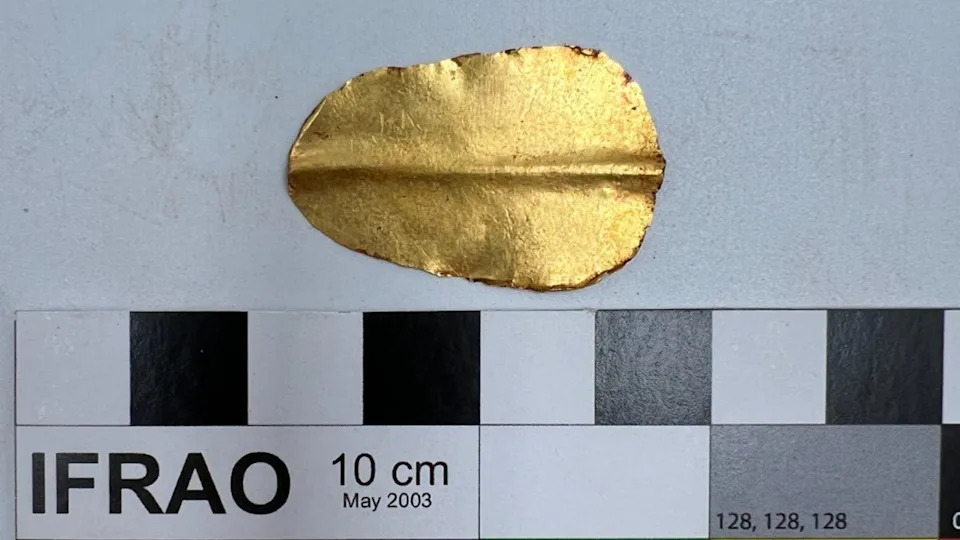
One of the gold tongues found inside a mummy at the archaeological site of Oxyrhynchus in Egypt. | Credit: Courtesy of the Egyptian Ministry of Tourism and Antiquities
Materials, Neurotechnology And Computing
Researchers reported a notable breakthrough in synthetic neurotechnology: flexible, printed artificial neurons made by depositing inks containing semiconductor and conductive flakes onto a polymer substrate. These devices produced electrical spiking patterns closely resembling those seen in human brains. When placed next to mouse neurons in vitro, the artificial cells induced firing at matching rates — strong evidence that synthetic and biological neurons can transmit compatible signals. While promising for future brain–computer interfaces and neuromorphic computing, substantial work remains before practical applications arrive.
New research suggests polar bears could be more adaptable to changes in climate than expected. | Credit: Marilyn Perkins for Live Science
Health And Medicine
In biomedical news, a large gene-therapy trial restored hearing in roughly 90% of patients with an inherited form of deafness, and the U.S. Food and Drug Administration approved the first gene therapy for inherited hearing loss — milestones that could reshape treatment for genetic auditory disorders. A clinical case also illustrated diagnostic complexity: a teen with classic diabetes symptoms failed to respond to standard therapy and was ultimately found to have a rarer coexisting syndrome.
A green fireball lit up the skies of Lindisfarne Castle in the United Kingdom. | Credit: Petr Horálek/Josef Kujal
Astronomy And Space
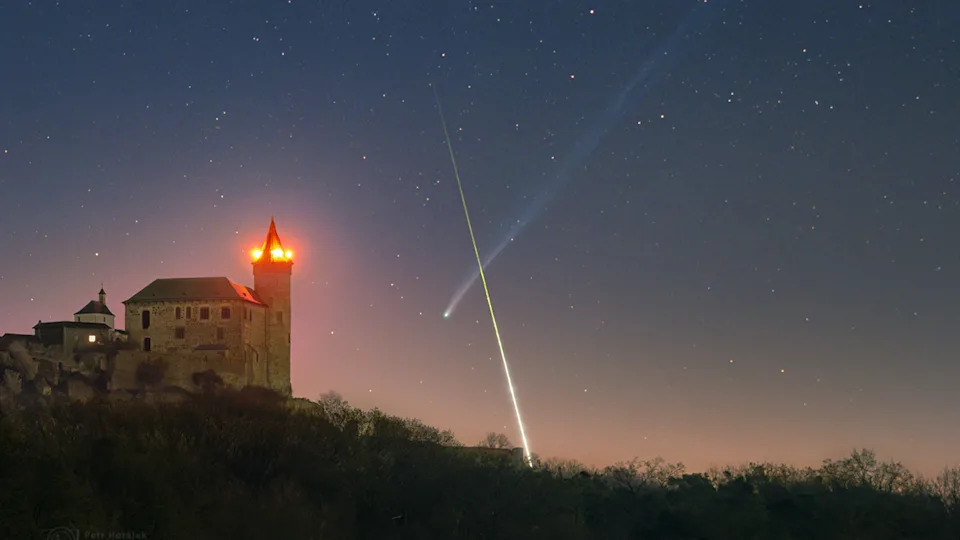
Astronomers reminded readers why some stars appear fixed while others change with the seasons — chiefly due to Earth’s axial wobble and orbital motion. Photographers Petr Horálek and Josef Kujal captured a dramatic sky moment on April 18 above Kunětická Hora Castle in the Czech Republic when a candidate for the “Great Comet of 2026” intersected with a fireball meteor to form a visible X. In space operations, NASA powered down another Voyager 1 instrument as the aging probe prepares energy-saving maneuvers.
Archaeology And Curiosities
Archaeologists announced a fascinating find: a Roman-era Egyptian mummy dated between 30 B.C. and A.D. 641 was discovered in Al-Bahnasa (ancient Oxyrhynchus) with a fragment of Homer's Iliad placed inside the abdominal cavity. The adult male was buried in a cemetery known for mummies fitted with golden tongues, a funerary practice intended to allow the deceased to speak to gods in the afterlife. Other archaeology items this week included studies on Neanderthal growth rates, a DNA study revealing an unknown Asian "ghost" population contributing to the Americas, and a 700-year-old Bolivian mummy containing the earliest confirmed evidence of strep throat bacteria in the region.
Other Highlights
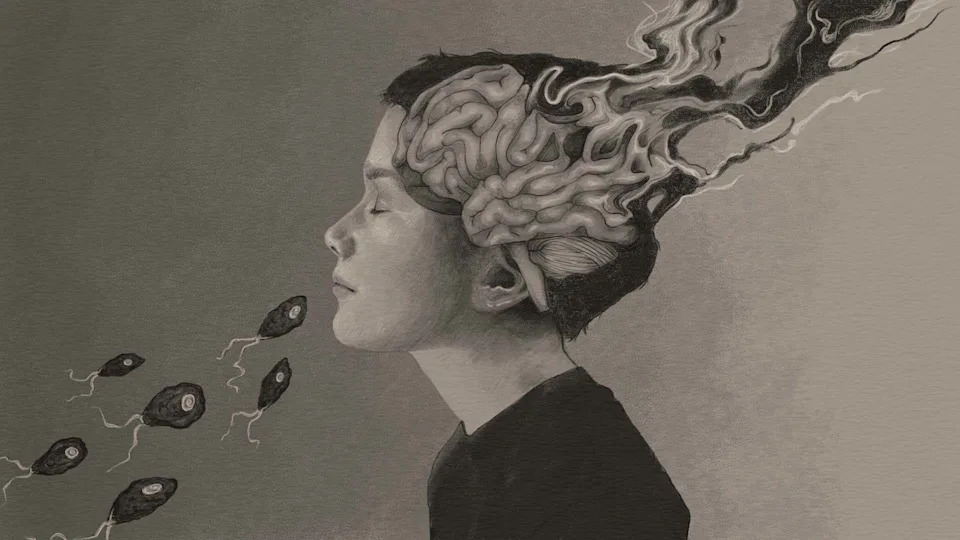
Coverage also examined the race to develop treatments for rare but usually fatal brain-eating amoeba infections, which may expand as climate change warms freshwater habitats. Technology and culture briefs featured an AI-driven table-tennis robot that can compete with professionals, stories about extraordinary natural-history discoveries (including a massive prehistoric 'kraken' octopus), and lighter human-interest items such as a parrot named Bruce thriving despite a missing upper beak. Readers were pointed to interactive features like an Earth quiz and to Live Science channels on WhatsApp, Facebook, X, Instagram, TikTok, Bluesky, Flipboard and LinkedIn for ongoing updates.
Help us improve.