Mohamad Ali Hijazi scoured rubble in Tyre for family keepsakes after an Israeli strike on April 16 flattened buildings and killed several relatives minutes before a ceasefire. His sister and her children, and later his mother, died; his father and a nephew survived. Lebanese authorities report more than 2,400 killed and roughly 7,700 wounded nationwide. Excavators continue recovery and DNA testing as residents say there was no specific warning prior to the raid.
‘It Was Like a Horror Film’: Tyre Man Searches Rubble for Family Keepsakes After Deadly Strike Minutes Before Ceasefire
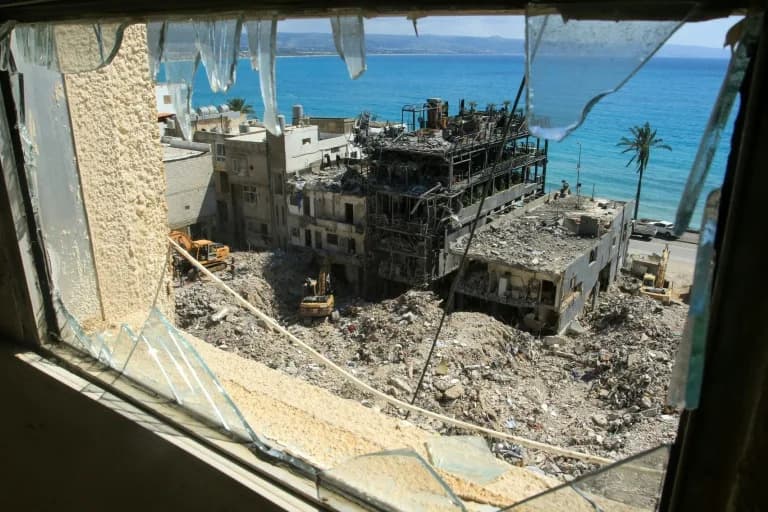
The Israeli strike on Tyre destroyed several buildings (Mahmoud ZAYYAT)(Mahmoud ZAYYAT/AFP/AFP)
Clutching a battered photo album, Mohamad Ali Hijazi combed through a vast pile of rubble in the southern Lebanese city of Tyre, searching for personal keepsakes after an Israeli strike on April 16 flattened six buildings and killed members of his family minutes before a ceasefire took effect.
Hijazi, 48, who has lived for many years in France with his wife and two daughters, said he was looking for small mementos — "my mother's hairbrush... and a bottle of perfume that she loves" — as he tried to salvage memories from the wreckage.
"My life has been destroyed. I haven't slept for five days," Hijazi said, repeatedly fighting back tears. "When I saw the damage... I expected them to come out in pieces... and they were in pieces. It was like a horror film."
The strike on April 16 killed Hijazi's sister, Ghazwa, her two young children and a cousin. His mother, Ikhlass, was pulled from the rubble alive but later died in hospital; his father, Fadl, and a nephew survived. Deputy Mayor Alwan Charafeddine said about 27 bodies had been recovered at the site, and some remains are undergoing DNA testing as searches continue for those still missing.
Context and Aftermath
The bombs fell shortly before midnight at the moment a pause in fighting began between Israel and the Iran-backed militant group Hezbollah, which drew Lebanon further into the wider Middle East conflict after fighting escalated on March 2. Officials cited by the original report said U.S. President Donald Trump announced a three-week extension of the ceasefire.
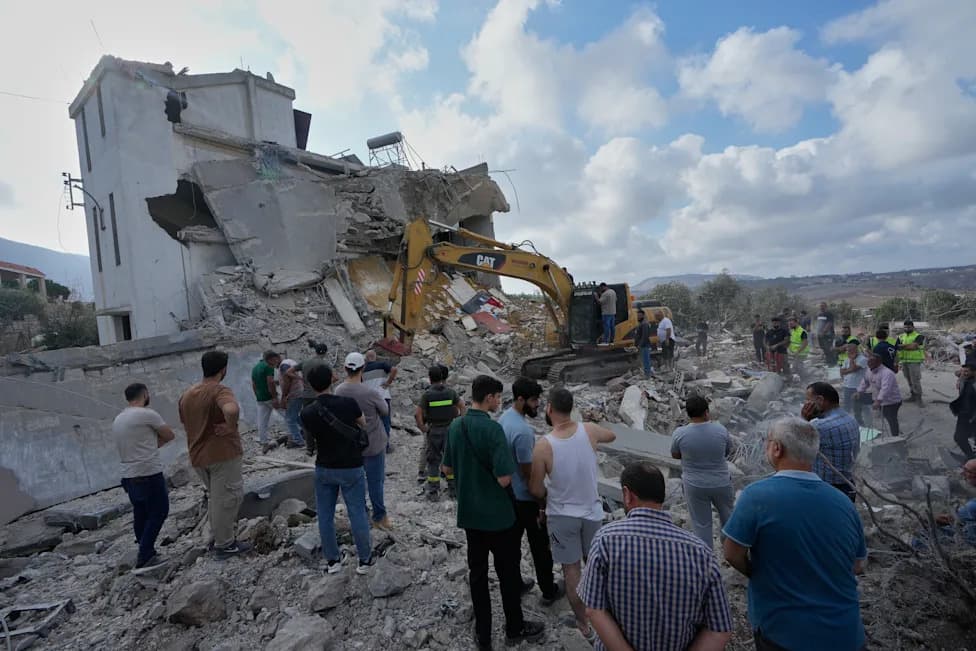
Lebanese authorities say Israeli attacks have killed more than 2,400 people nationwide and wounded roughly 7,700. Excavators continued clearing debris in the residential neighbourhood for a seventh day; dust rose around machinery, an Israeli drone buzzed overhead, and smoke was visible along the coast where Israeli forces are still operating.
Residents at the site described the raid as indiscriminate and said there had been no specific warning prior to the strike, despite earlier broad evacuation orders for parts of Tyre and southern Lebanon.
"Here we are all innocent civilians... We have no link with any party," Hijazi said, holding the ruined family album close as he surveyed the devastation.
Across the street, Fadl Hijazi, 66, who survived with burns and blackened wounds, described being pulled from the rubble about three hours after the blast. Neighbours and relatives said many victims had stayed at home because they could not afford to flee.
The recovery effort continues amid grief and unanswered questions from residents who say entire families were wiped out in what they call a massacre. Authorities and humanitarian groups continue to document casualties and work on identification as families search for closure and personal effects among the ruins.
Help us improve.