Tokyo has relaxed its office dress code to allow shorts as part of an expanded "Cool Biz" campaign intended to cut air-conditioning use and ease pressure on the power grid. Governor Yuriko Koike — who launched the original campaign — supports the move, which also encourages telework and earlier start times. The change follows Japan's hottest recorded summer since 1898 and the meteorological agency's new designation for 40°C-plus days as "kokusho" ("cruelly hot").
Tokyo Lets City Workers Swap Suits for Shorts to Cut Air-Conditioning Use
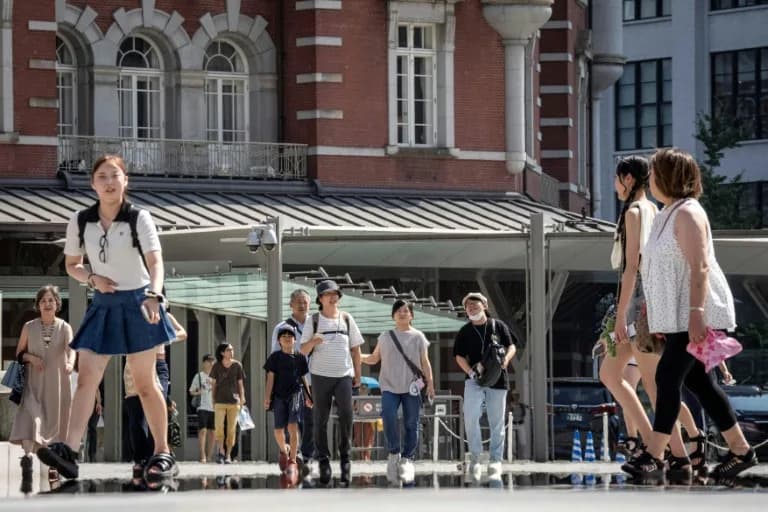
People walk past Tokyo Station on a hot day in Tokyo in 2025. This year city authorities are encouraging staff to wear shorts to work to cut reliance on air conditioning (Yuichi YAMAZAKI)(Yuichi YAMAZAKI/AFP/AFP)
Tokyo's metropolitan government has begun encouraging staff to wear shorts in the office this month as part of an expanded energy-saving push, officials said. The move aims to reduce dependence on air conditioning amid concerns over rising energy costs linked to the Middle East war.
The relaxed dress code is an upgraded version of the long-running "Cool Biz" campaign launched by Japan's environment ministry in 2005, which initially urged workers to ditch jackets and ties during summer. The original initiative even saw some employees turn up in Okinawan-style collared shirts.
An anonymous Tokyo official told AFP that the risk of an energy crunch tied to the Middle East conflict was "one of the factors" behind the decision to permit shorts. Local media footage earlier this week showed some male municipal staff already wearing shorts and T-shirts in government offices.
Tokyo Governor Yuriko Koike — who first introduced the Cool Biz concept two decades ago as environment minister — publicly backed the change. "This summer, we encourage 'cool' attire that prioritises comfort, including polo shirts, T-shirts and sneakers and — depending on job responsibilities — shorts," she told reporters, warning of "a severe outlook for the supply and demand of electricity."
The updated Cool Biz measures also promote greater teleworking and earlier start times to ease peak electricity demand, the governor added.
Record Heat And New Weather Label
Last year Japan experienced its hottest summer since records began in 1898, the Japan Meteorological Agency reported. Readings of 40°C and above have become frequent enough that the agency introduced an official label for such extreme events, calling them "cruelly hot" (kokusho) days.
Why it matters: Relaxing office dress codes, encouraging telework and shifting work hours are low-cost, immediately actionable steps that cities can use to lower peak electricity demand and improve worker comfort during extreme heat.
Help us improve.