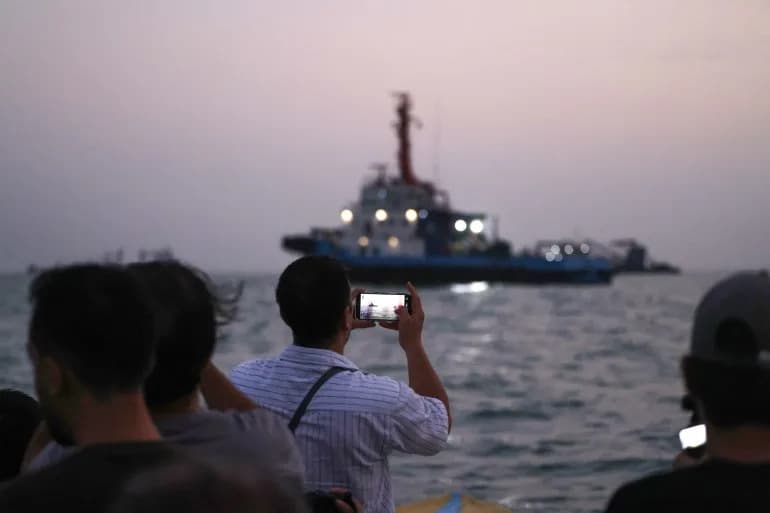
Stalled talks between the US and Iran have left a tense standoff in which Tehran is leveraging maritime harassment and infrastructure threats to raise oil prices and press for concessions. Iranian-linked outlets have flagged risks to undersea cables and named Gulf energy targets such as Ruwais and Abqaiq, while small Iranian boats have harassed commercial shipping in the Strait of Hormuz. The US has interdicted dozens of vessels amid a blockade, and behind-the-scenes diplomacy has gone quiet as markets react to the impasse.
Who Will Blink First? Iran’s Maritime Pressure Sends Global Markets on Edge
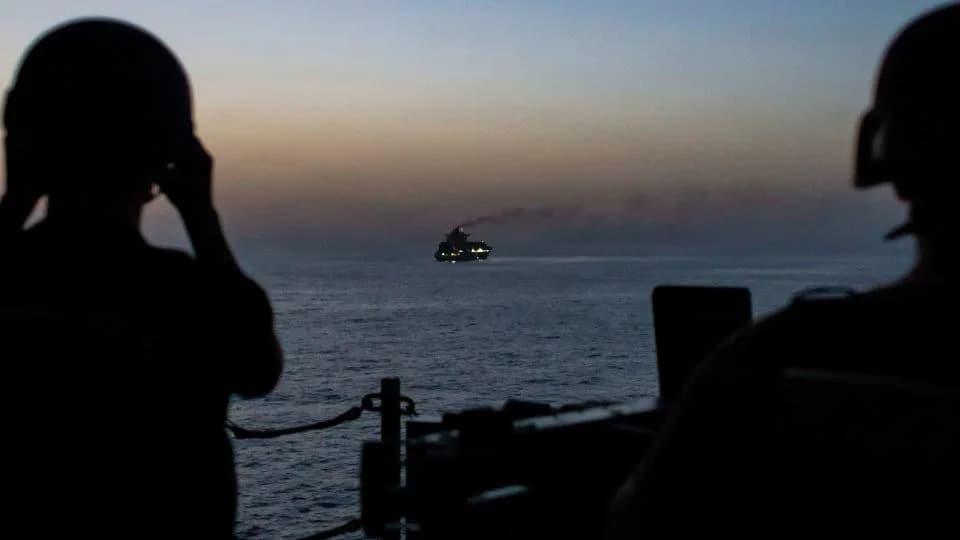
US forces patrol the Arabian Sea near the Iranian-flagged Touska on April 20, after it attempted to evade a US naval blockade. - US Navy
With peace talks stalled and no clear U.S. timeline for ending the confrontation with Iran, a high-stakes game of brinkmanship is unfolding — and global markets are paying the price. Tehran appears to be using asymmetric tactics at sea and the threat of targeted strikes to raise oil prices and extract diplomatic leverage.
What’s happening
Iranian state-linked outlets have publicly raised the prospect of further attacks, including suggestions that multiple undersea data cables that serve Persian Gulf states run close together along the seabed of the Strait of Hormuz. Such infrastructure is vulnerable and repairing damage to cables can be expensive and time-consuming.
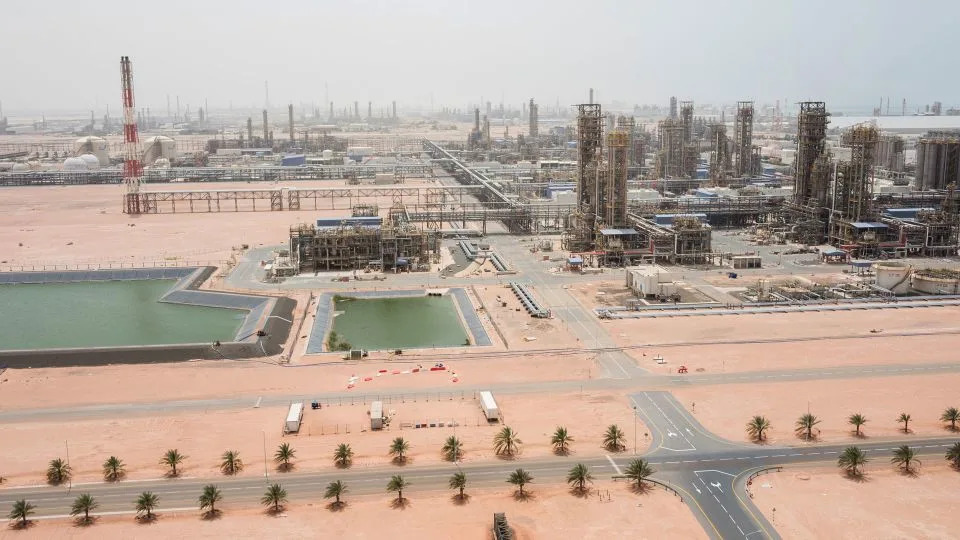
The Ruwais refinery and petrochemical complex in the United Arab Emirates on May 14, 2018. - Christophe Viseux/Bloomberg/Getty Images/File
At the same time, Iran’s naval operations — notably small, fast boats engaging cargo ships and tankers — have repeatedly harassed shipping near the strait. Western forces say they have intercepted dozens of vessels linked to the blockade of Iranian ports, while Iran has been accused of firing on multiple commercial ships in the contested corridor.
Targets and threats
Tehran has named high-profile energy facilities in neighbouring Gulf states as possible targets, including the Ruwais refinery in the United Arab Emirates and the Abqaiq oil processing plant in Saudi Arabia — the latter is one of the world’s largest crude-processing facilities. Threats to such nodes raise the specter of further oil-price volatility and broader economic ripple effects.
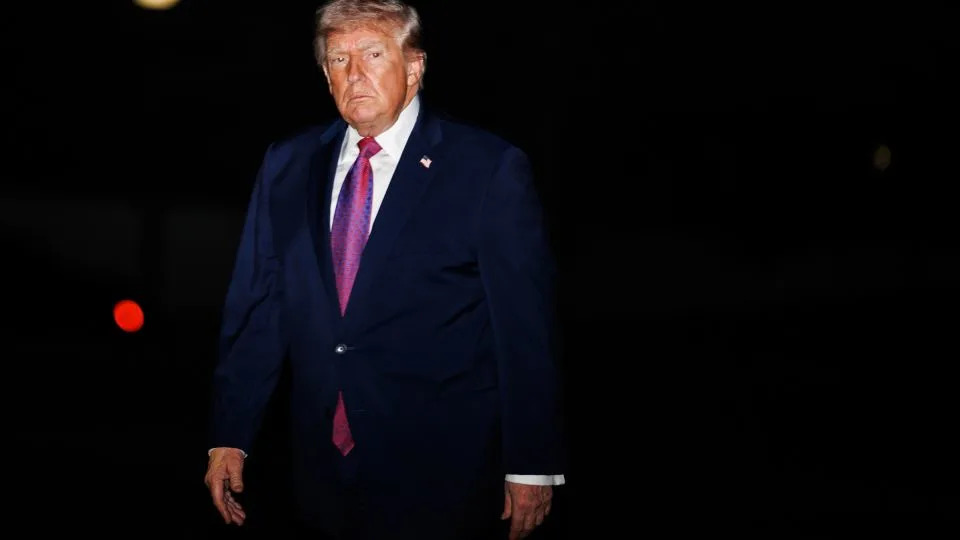
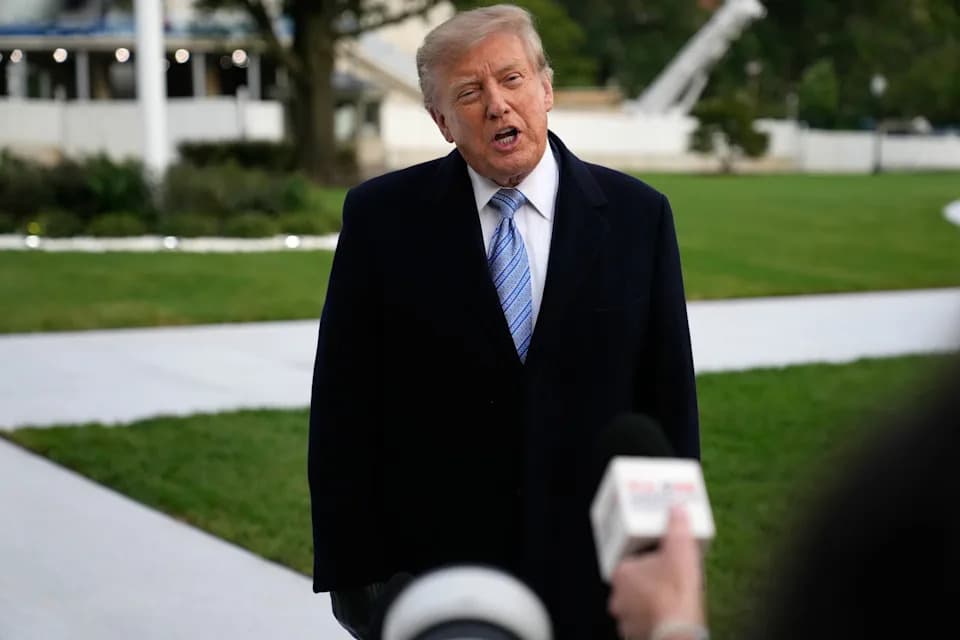
President Donald Trump walks across the South Lawn toward the White House after landing in Marine One on April 17. - Samuel Corum/Getty Images
Diplomatic maneuvering
Negotiations have been uneven. Iranian negotiators, led publicly by Mohammad Bagher Ghalibaf, have at times signalled confidence, asserting Tehran holds the upper hand. Officials and commentators on all sides have spoken past one another, and some of the public messaging has been bluntly adversarial. Reports say Iran did not attend recent talks in Islamabad, and behind-the-scenes mediation appears muted and highly sensitive.
Why markets care
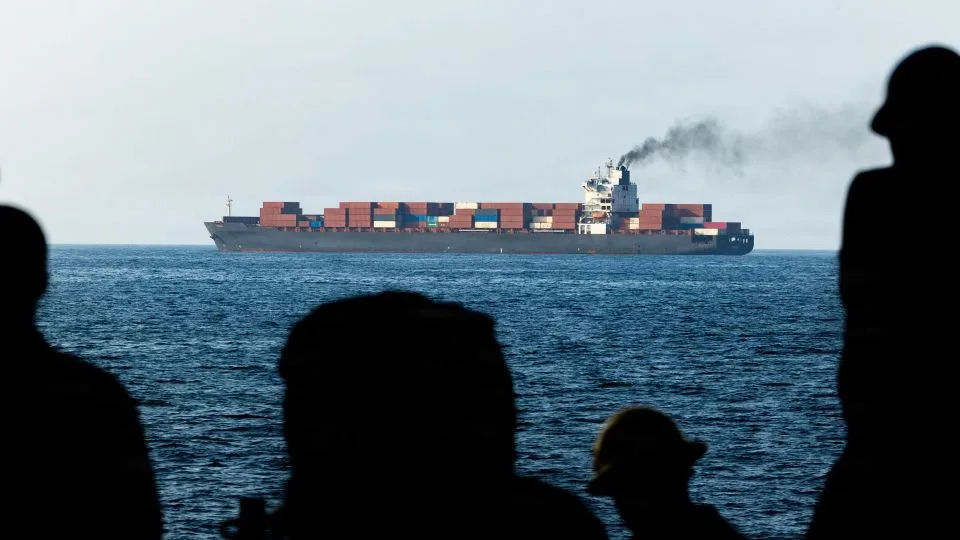
US forces patrol the Arabian Sea near M/V Touska on April 20, 2026, after the Iranian-flagged vessel attempted to evade a US naval blockade. - US Navy
Even limited disruptions in the Strait of Hormuz — a key artery for global crude shipments — can push energy prices higher and create knock-on impacts for inflation and supply chains worldwide. As investors watch the rhetoric and incidents at sea, oil markets and merchant-shipping routes are reacting in real time to a fragile balance of deterrence and escalation.
Outlook
The confrontation looks set to continue as each side gauges the other’s tolerance for sustained economic and political pain. Iran’s apparent willingness to use asymmetric tactics and the U.S. reliance on military and economic pressure create a tense equilibrium: the next miscalculation could increasingly affect global energy markets and international trade.
Key takeaway: This is less a conventional war than a prolonged contest of leverage, with maritime harassment, infrastructure threats and diplomatic brinkmanship shaping both market sentiment and the path of future negotiations.
Help us improve.