
The Senate voted 52-46 to advance a 58-page Republican budget resolution that opens a reconciliation path to fund ICE and parts of CBP without Democratic support. The resolution authorizes committees to draft measures that could total about $70 billion, with funding aimed to span roughly 3.5 years. Republicans turned to reconciliation after bipartisan talks on DHS funding stalled; House coordination and potential GOP add-ons could complicate final passage.
Senate GOP Advances Budget Resolution To Fund ICE, Paving Way For Reconciliation Fight
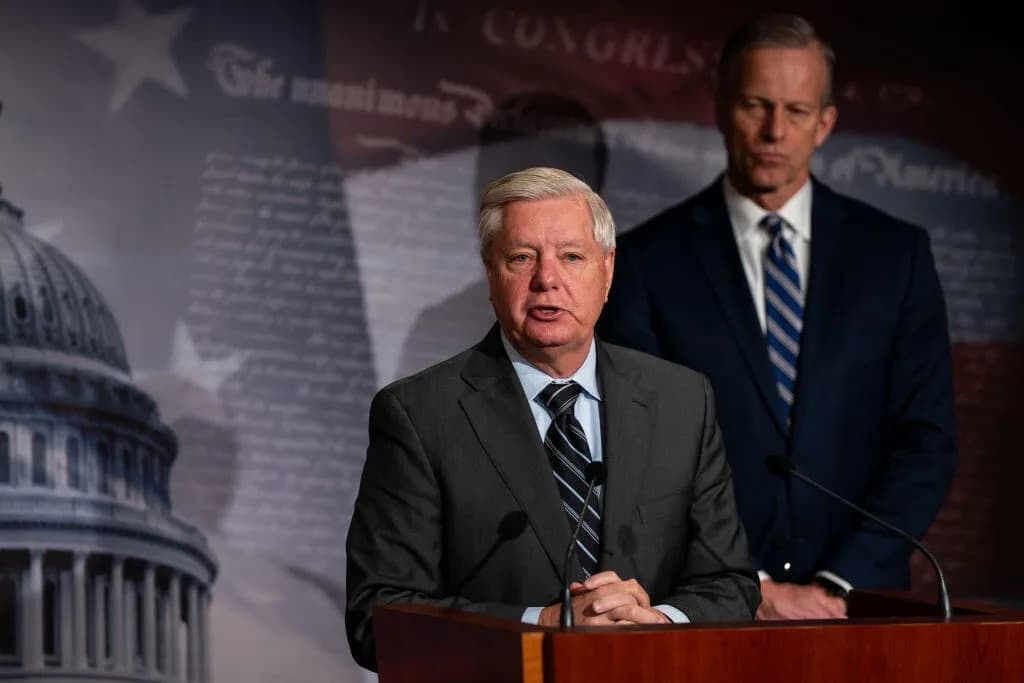
Washington — The Senate took a significant procedural step Tuesday as Republicans advanced a 58-page budget resolution that opens a reconciliation path to fund immigration enforcement agencies within the Department of Homeland Security without Democratic support.
What Happened
By a 52-46 party-line vote, senators agreed to proceed with consideration of the resolution, which was released earlier that morning. The motion required only 51 votes to succeed. Lawmakers expect a "vote-a-rama" later this week — a marathon in which senators can offer an unlimited number of amendments and force repeated roll-call votes.
What the Resolution Would Do
The measure, circulated by Senate Budget Committee Chair Sen. Lindsey Graham (R-S.C.), would authorize the Senate Judiciary and Homeland Security committees to draft legislation that could increase spending by up to $70 billion each to support U.S. Immigration and Customs Enforcement (ICE) and portions of U.S. Customs and Border Protection (CBP). An aide to Senate Majority Leader John Thune said the final package is expected to total roughly $70 billion.
"Republicans are moving forward — not backward — on rational immigration policies that secure our border," Graham said in a statement, adding that the party is "moving quickly" to fully fund Border Patrol and ICE amid what he called a time of "great threat to the United States."
Why Reconciliation?
The GOP is pursuing the budget reconciliation process because it permits passage of legislation with direct budgetary impacts using a simple majority in the Senate, avoiding the need for Democratic votes. Senate leaders say they prefer the traditional appropriations process, but after bipartisan talks stalled, they turned to reconciliation to secure funding specifically for immigration enforcement.
Political Stakes and Timeline
Republicans aim to lock in funding that would span roughly 3.5 years, covering immigration enforcement through the remainder of the current presidential term. The White House set a June 1 deadline for a final measure to reach the president's desk.
Democrats have resisted standalone funding for ICE and CBP for months, pressing instead for reforms after two deadly shootings by federal agents in Minneapolis in January. When negotiations failed to produce an agreement, Senate Republicans moved to fund the bulk of DHS through the regular appropriations process while addressing ICE and CBP separately.
House Coordination and Potential Roadblocks
Senate Republican leaders say they have coordinated with House leadership. Earlier this month, Sen. Thune and House Speaker Mike Johnson announced an agreement to fund most of DHS through appropriations and to pursue ICE and CBP funding through reconciliation. But some House Republicans want the reconciliation package finalized before they move forward on the broader DHS funding.
Thune acknowledged the reconciliation route is not ideal and expressed regret that negotiations with Democrats did not succeed. He also warned that requests for additional policy add-ons from House Republicans could complicate the process and slow passage.
Departmental Impact
The impasse has left much of DHS operating under constrained conditions; parts of the department have been largely shut down since Feb. 14. While the White House has taken steps to temporarily pay DHS employees, lawmakers say fully resolving department funding depends on bridging the divide over ICE and CBP.
What’s next: The Senate is expected to proceed to a vote-a-rama this week and then craft a reconciliation bill. If the Senate advances a reconciliation package, House-Senate coordination and internal GOP negotiations over add-ons will determine the speed of final passage.
Help us improve.





















