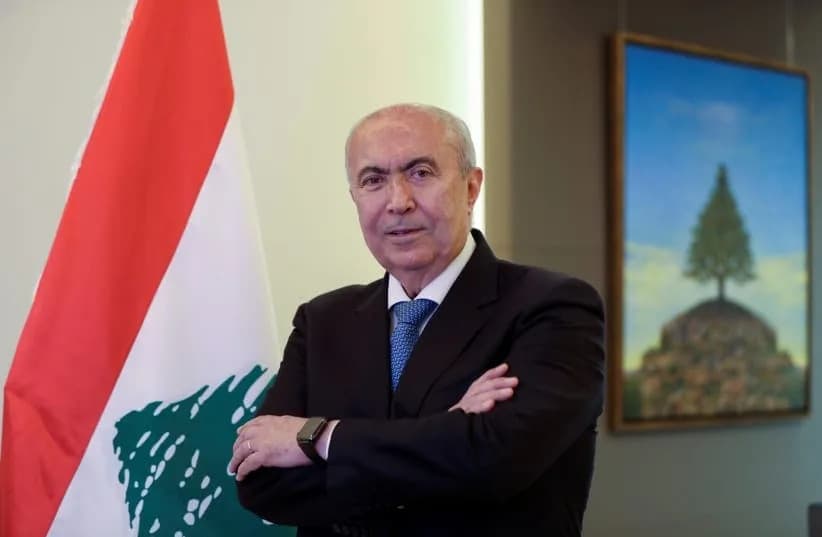
Antoun Sehnaoui, chairman of SGBL, provoked a fierce backlash in Lebanon after US envoy Morgan Ortagus publicly praised his support for Israel at an event he funded at the United States Holocaust Memorial Museum. The remarks — framed against a backdrop of intense Israeli military operations that have killed hundreds and displaced about 20% of Lebanon’s population — reignited debates over loyalty, sectarian divides and elite influence. Sehnaoui also faces legal probes at home and abroad, and critics say the timing of the praise was particularly inflammatory amid the country’s humanitarian crisis.
Lebanese Banker Antoun Sehnaoui Praised For Pro‑Israel Support — Sparks Outcry During Deadly Cross‑Border Campaign
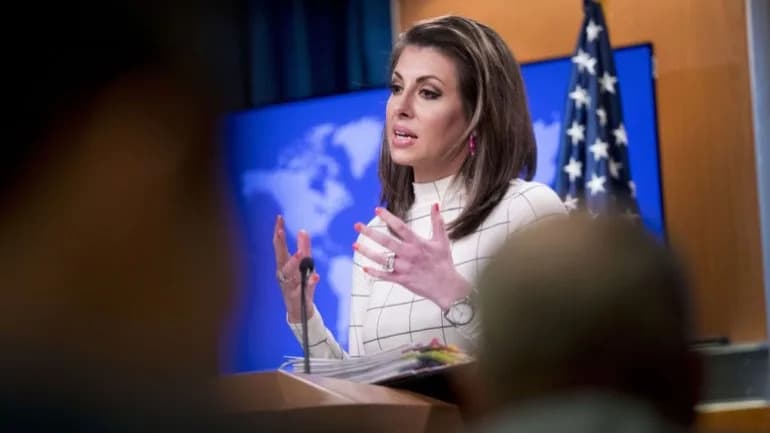
Morgan Ortagus, during her time as State Department spokesperson, speaking at a news conference in Washington [Andrew Harnik/AP]
Antoun Sehnaoui, a prominent Lebanese banker and chairman of Société Générale de Banque au Liban (SGBL), has ignited controversy after being publicly praised for his support for Israel at an event held at the United States Holocaust Memorial Museum — a venue he has financially supported. The remarks, delivered by US Middle East envoy Morgan Ortagus (reported to be his romantic partner), drew sharp criticism in Lebanon amid an ongoing and deadly Israeli military campaign.
What Happened
At the museum event on Tuesday, Ortagus praised Sehnaoui’s backing of a US‑Israeli opera project and described him as coming from generations of "committed Lebanese Christian Zionists," remarks that underscore long‑standing family ties to political actors who aligned with Israel in the past. Ortagus also said the funding could be "technically illegal in Lebanon," where laws bar dealings with Israeli individuals or institutions.
Why The Praise Sparked Backlash
The timing and public nature of the praise provoked outrage across Lebanese social media and political circles. Lebanon has recently suffered heavy losses and displacement amid Israeli operations that began in early March. Human rights groups and commentators have accused Israel of multiple violations during its ground operations, including the alleged use of a so‑called "quadruple tap" tactic intended to maximise civilian harm. More than a million people — roughly 20% of Lebanon’s population — were reported displaced during the fighting.
“The timing of the appearance is more problematic than the appearance itself,” said Lebanese academic Makram Rabah, noting that visiting a Holocaust museum should not be controversial but distinguishing that from public endorsements of Israel during an active conflict.
Reactions And Political Context
Video footage of Ortagus praising Sehnaoui prompted calls on social media for legal action and accusations that he had betrayed his country. Some posts cited rumours about his faith or loyalty; others demanded he be prosecuted. Observers warned the episode could deepen sectarian tensions in an already fragile environment.
Ortagus — appointed by the Trump administration in April 2025 — has been criticised in Lebanon for an openly pro‑Israel stance and for vocally opposing Hezbollah, raising questions about her neutrality as a US mediator. Michael Young, a Lebanon specialist at the Carnegie Middle East Center, said the episode highlighted concerns over whether Ortagus was the most suitable envoy given her public leanings.
Sehnaoui’s Influence And Legal Troubles
Sehnaoui is one of Lebanon’s wealthiest bankers, and critics say his financial influence reaches across the country’s political and sectarian divides. He and SGBL face legal challenges at home and abroad: Lebanese prosecutors have filed charges alleging money laundering tied to currency trading during the financial crisis that began in 2019, and a 2020 civil suit in the United States accuses the bank of providing material support to Hezbollah — allegations SGBL denies.
Critics including MP Paula Yacoubian have accused Sehnaoui of leveraging his resources to gain political protection and of engaging with a wide range of actors for personal advantage. Yacoubian suggested recent public gestures could aim to secure immunity or influence over normalisation discussions, a claim Sehnaoui has not publicly confirmed.
Human Cost And Aftermath
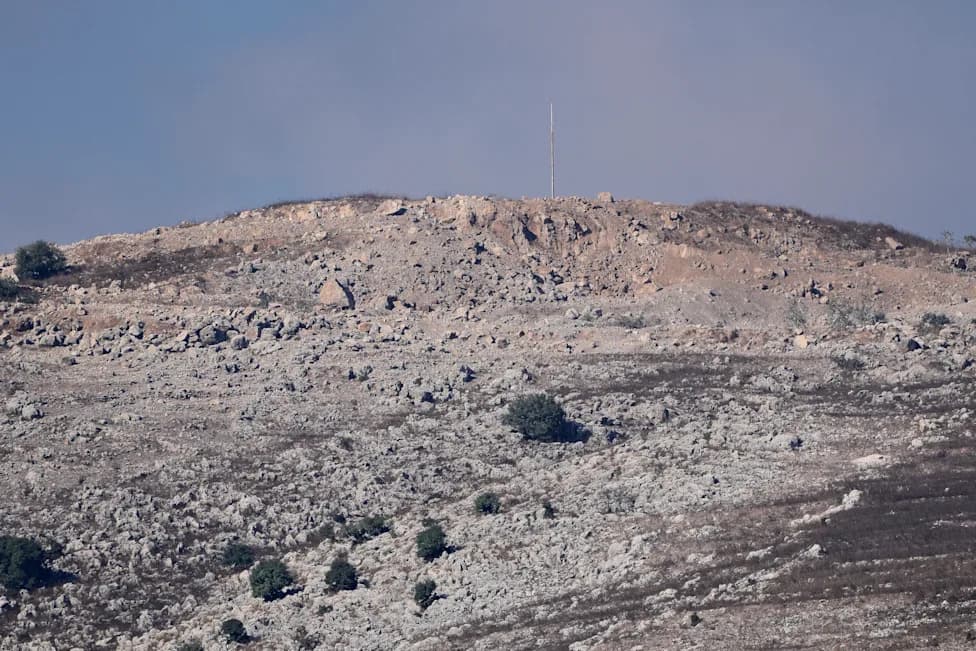
As debate over the museum appearance intensified, many Lebanese focused on the immediate humanitarian fallout from the conflict. Tens of thousands reportedly returned to southern Lebanon after a ceasefire was announced, searching for missing relatives, recovering bodies and assessing widespread destruction to homes and infrastructure after weeks of strikes that began on March 2.
The incident highlights how high‑profile private actions and international relationships can become flashpoints in times of national crisis, particularly when they intersect with unresolved legal allegations and long memories of sectarian conflict.
Help us improve.