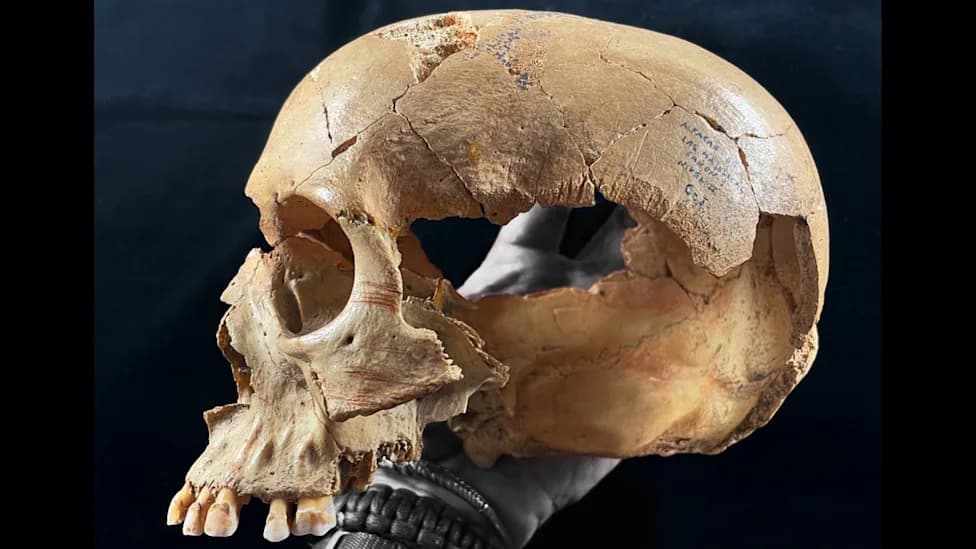
New research in the Pannonian Plain reveals that from about 1600 to 700 B.C.E. communities regularly exhumed, fragmented, and reused human bones. The study—published in the Journal of Field Archaeology—documents varied mortuary practices alongside systematic curation: bones were placed in household pits, ditches, or reburied, and some skulls were modified and displayed. Researchers argue these practices made ancestral remains active elements of social identity and cohesion.
Ancient Bones as Social Currency: How Late Bronze Age Communities Reused the Dead
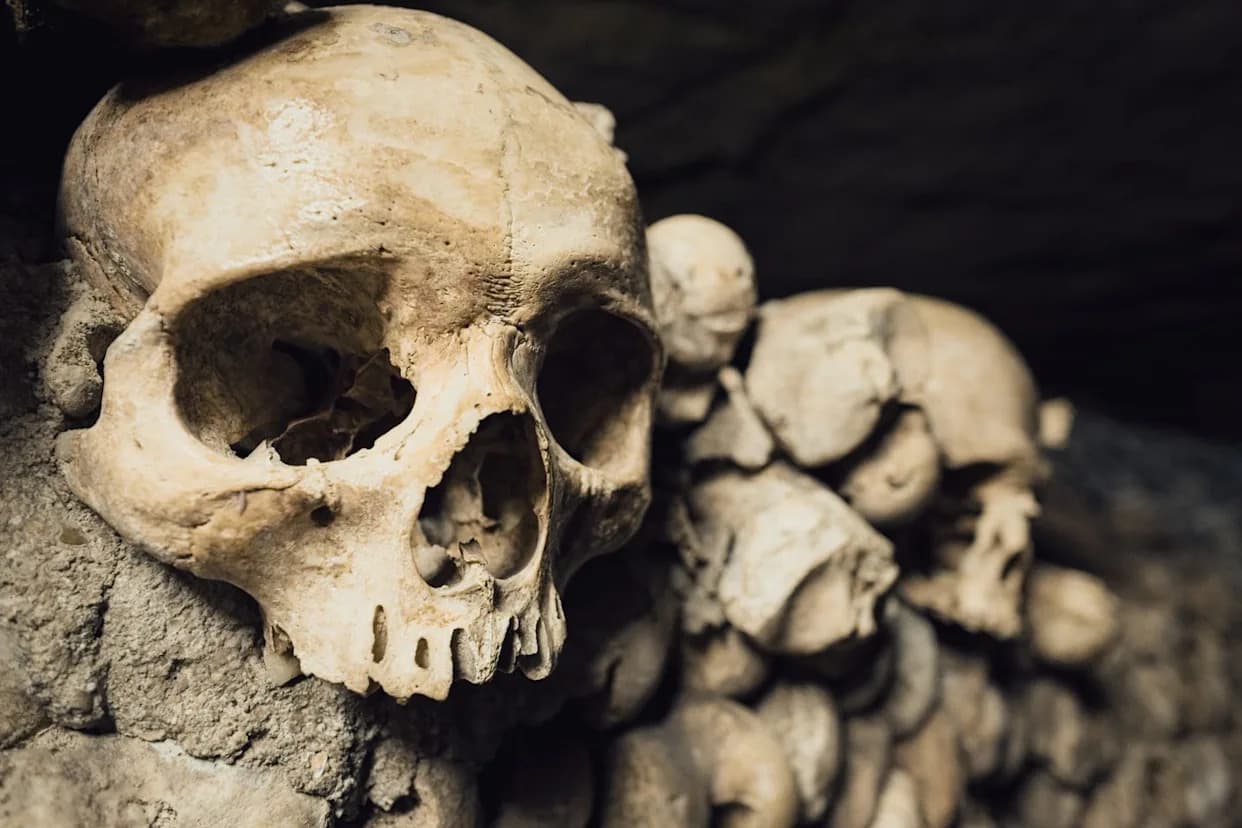
Ancient Humans Used Bones as Social CurrencyJacques Julien - Getty Images
New archaeological research from the Pannonian Plain finds that between roughly 1600 and 700 B.C.E., communities treated human skeletal remains as active components of social and ritual life rather than as permanently undisturbed burials. Excavations and laboratory analyses from sites across the Carpathian Basin—now parts of Serbia, Romania, Hungary and nearby Croatia—show that bones were repeatedly exhumed, fragmented, curated, redistributed, and sometimes displayed.
Study, Methods, and Scope
The study, published in the Journal of Field Archaeology, combines field excavation, osteological analysis, and radiocarbon dating from multiple fortified and non-fortified settlements across the lower Pannonian network. Researchers documented a diversity of mortuary treatments—cremation, inhumation, and excarnation (exposure to elements and scavengers)—but also a strikingly common practice: the systematic manipulation and reuse of unburnt human remains.
'Unburnt human remains were being curated and manipulated at almost all [Late Bronze Age] settlements in the lower Pannonian network excavated and analyzed to date,' the authors wrote.
What the Bones Reveal
At many sites excavators found intentionally fragmented skeletons. Selected bones were sorted by element and placed in household pits, reburied in new locations, or deposited in ditches surrounding settlements. In several communities, remains appear to have circulated through households and communal spaces, indicating purposeful selection and long-term curation rather than random disturbance.
The site of Klisa (in present-day Croatia) offers a detailed example: bones removed from graves were circulated within the community, organized by body part, and later reinterred together. Some crania were deliberately opened—apparently to remove soft tissue or the brain—then reconstructed and displayed within dwellings. In other cases, drilled holes in skulls indicate they may have been suspended for viewing. Many bones show advanced weathering consistent with repeated handling and exposure.
Interpretation and Social Meaning
Researchers interpret these practices as embedded in social memory and identity. Ditch deposits might have served as ritual or protective placements of ancestors at settlement boundaries. In-house displays and the passing of bones between households could have reinforced lineage ties, communal claims, or social cohesion. Far from being private graves left untouched, the dead remained physically and symbolically entangled in everyday life for generations.
Significance
These findings reshape our understanding of Late Bronze Age and Early Iron Age mortuary behavior in central Europe: human remains were not only subjects of disposal but also portable symbols and material resources that communities curated to sustain memory, identity, and social relationships over long periods.
Help us improve.