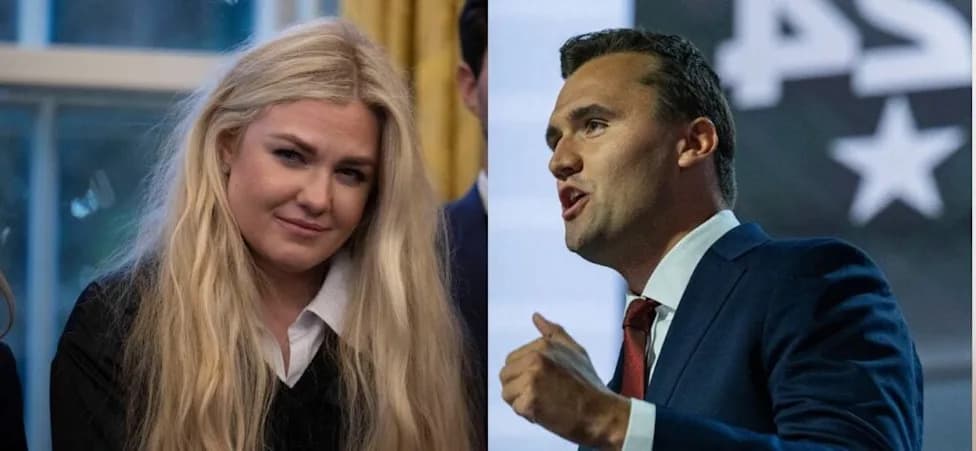
The ATF report unsealed by a Utah judge shows agents could not conclusively match a bullet fragment to the suspected Mauser rifle used in the killing of Charlie Kirk, but they did identify a spent .30-06 cartridge case as fired from the recovered firearm. Prosecutors say DNA consistent with the accused, Tyler Robinson, was found on the rifle, a towel and multiple rounds. The defense had sought to delay further testing until its expert could inspect the evidence; the judge ordered the filing unsealed. Investigators say scene impressions, the recovered rifle and alleged text messages also tie Robinson to the shooting.
Utah Judge Unseals ATF Ballistics Report in Charlie Kirk Killing; Casing Linked to Suspected Mauser, Bullet Fragment Inconclusive
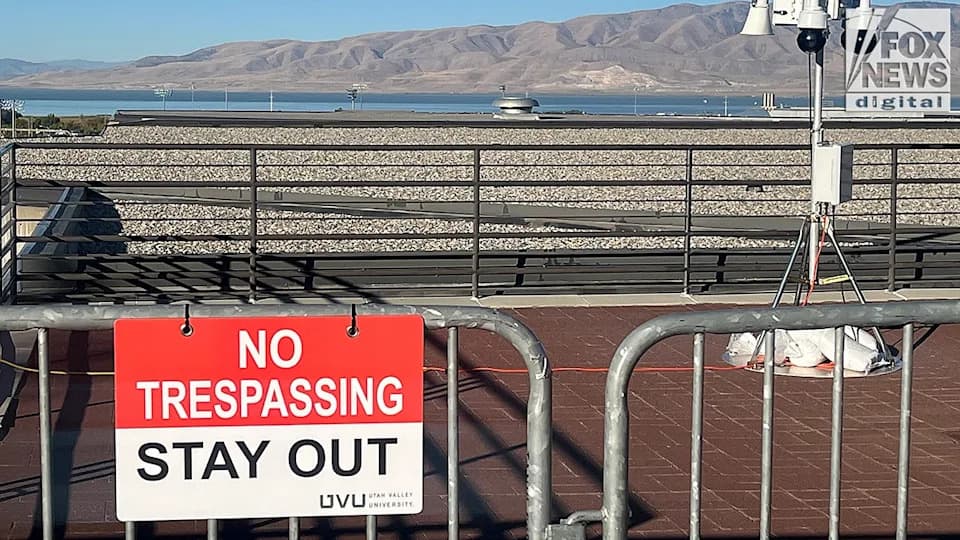
Area where Charlie Kirk's alleged assassin took the fatal shot from the roof of the Losee Center at UVU.(Fox News)
A Utah judge has unsealed an ATF ballistics report connected to the fatal shooting of conservative commentator Charlie Kirk. The document shows agents could not definitively match a small bullet fragment to the suspected Mauser rifle, but they did identify a spent .30-06 cartridge case as having been fired from the firearm recovered by investigators.
The ATF examined a deformed portion of a bullet jacket and four lead fragments recovered from the scene. One fragment produced an "inconclusive" result — described in the report as an examiner's opinion that there was an insufficient quality and/or quantity of individual characteristics to identify or exclude the source. At the same time, the agency reported that the spent cartridge case matched the rifle labeled "Exhibit 1," the Mauser alleged to belong to the accused, Tyler Robinson.
Prosecutors have also told the court that separate testing detected DNA consistent with Robinson on the rifle, on a towel, and on three of the four rounds recovered inside the gun. That evidence, along with other forensic and circumstantial findings, is part of the government's case.
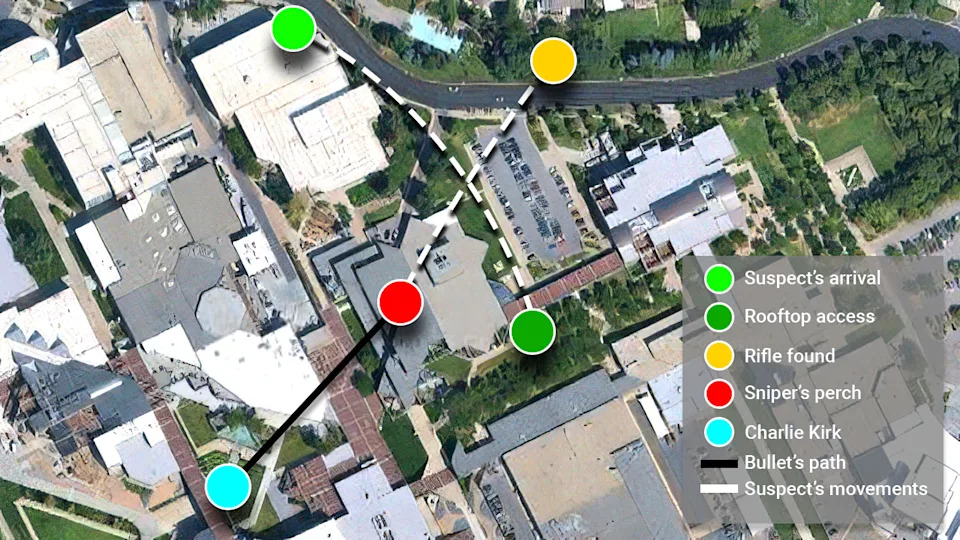
An approximation of the suspected movements of Tyler Robinson, Charlie Kirk's alleged assassin, based on court documents, video from the scene and conversations with law enforcement.
The report had been referenced in prior filings but was attached in part to a defense motion filed under seal on Jan. 9 asking the court to bar further testing until a defense expert could inspect and photograph the evidence. Judge Tony Graf concluded the filing did not contain private or inflammatory material and ordered the report unsealed.
"It is not a win for the defense," said retired FBI supervisory agent Jason Pack. "It is simply a gap the prosecution is now working to address by bringing in the FBI with more advanced technology."
Two law-enforcement sources familiar with the investigation told media outlets that the ATF's inability to match the fragment likely stems from the projectile striking bone when it struck Kirk, causing it to break on impact — a scenario ballistics experts say can make microscopic matching difficult. The ATF also identified the damaged fragments as .30-caliber class material, which is consistent with the Mauser but not enough for a conclusive statistical match for the fragment.
Investigators allege Robinson climbed to a rooftop across the courtyard while Kirk was speaking at a Turning Point USA event at Utah Valley University in September 2025, fired a single shot from his grandfather's Mauser rifle, and struck Kirk in the neck. Graphic footage shared publicly shows the bullet striking Kirk in front of an audience of roughly 3,000 people; Kirk later died of the wound.
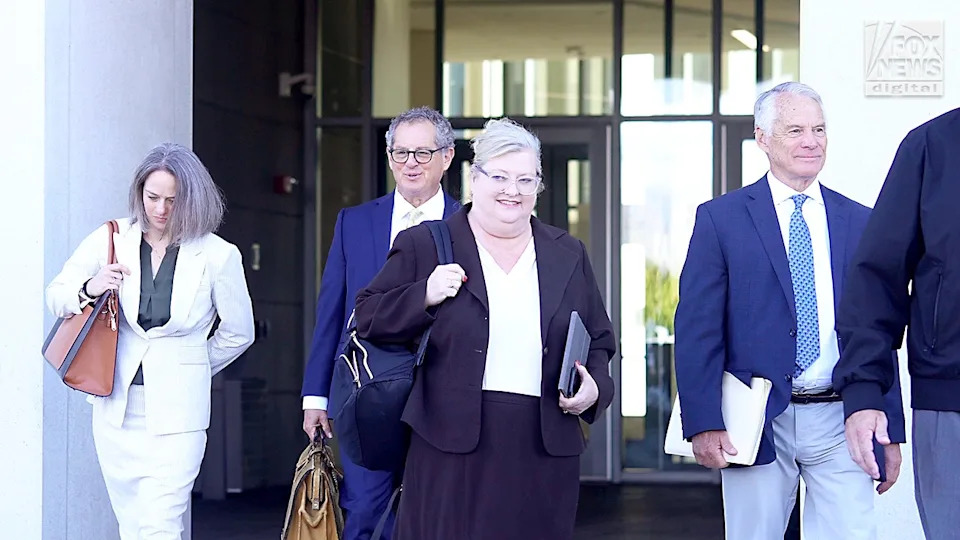
Kathryn Nester exits Utah County District Court in Provo on Sept. 29, 2025. Nester is representing Tyler Robinson, the suspect in the assassination of Charlie Kirk.
Campus police documented impressions in the rooftop gravel that prosecutors say are consistent with a prone shooter — potential elbow, knee and foot marks left by someone firing from a lying position. The rifle was recovered wrapped in a blanket in a patch of woods near the campus.
Prosecutors further allege that text messages between Robinson and his romantic partner, Lance Twiggs, discussed retrieving the rifle after the shooting. In the hours following the killing, Robinson allegedly texted, "Stuck in Orem for a little while longer yet. Shouldn't be long until I can come home, but I gotta grab my rifle still." Twiggs is cooperating with investigators and has not been charged.
Robinson is due back in court for a hearing on a defense motion to exclude news cameras from future proceedings. He faces an aggravated murder charge that carries the possibility of the death penalty if convicted.
Context and next steps: Ballistics evidence is often only one element of a homicide investigation. Prosecutors will likely present the casing match, DNA findings, scene impressions, surveillance and digital evidence together; the defense has sought time to examine and photograph the physical evidence before further testing proceeds. Both sides can be expected to seek additional laboratory analysis and expert testimony before trial.
Help us improve.