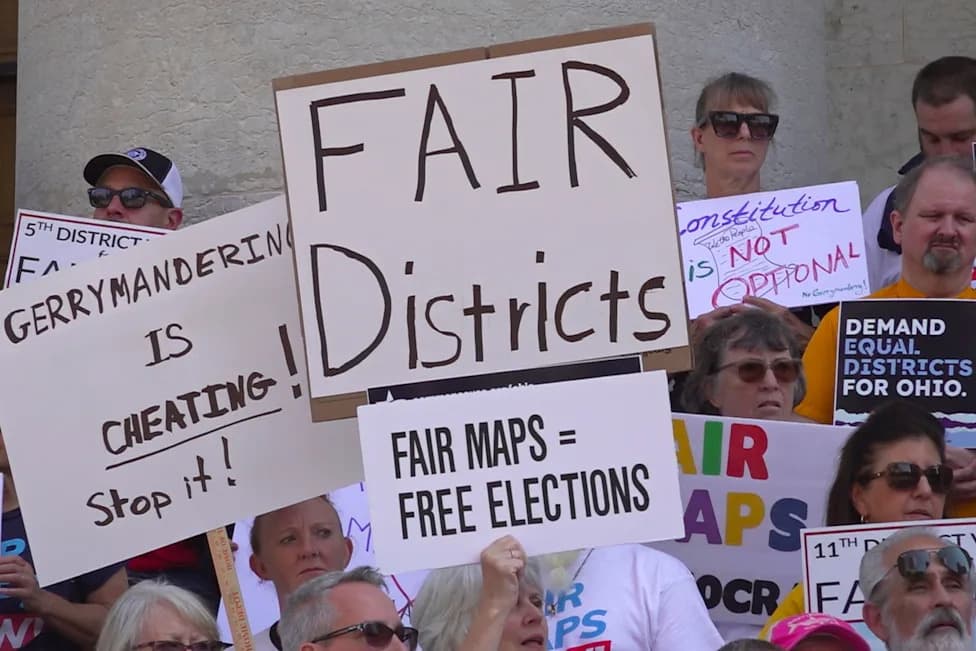
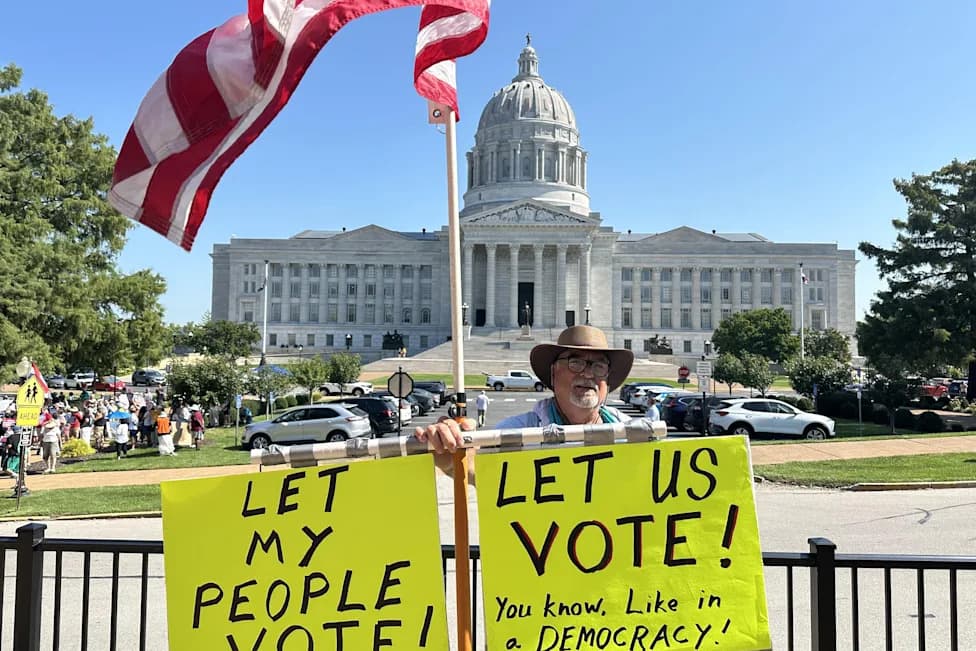
Maryland Democrats let Gov. Wes Moore’s mid‑decade congressional redistricting proposal die at the end of the legislative session after the Senate left the bill in committee amid fears of a likely court challenge. Moore argued the changes were needed to counter national Republican efforts to reshape districts, while Senate President Bill Ferguson warned litigation could produce an even worse map. The House had passed the plan, but internal Democratic divisions stopped it from advancing. The clash in Maryland mirrors a broader national push over redistricting in states such as Florida and Virginia.
Maryland Democrats Kill Gov. Wes Moore’s Mid‑Decade Redistricting Bid Amid Legal Fears
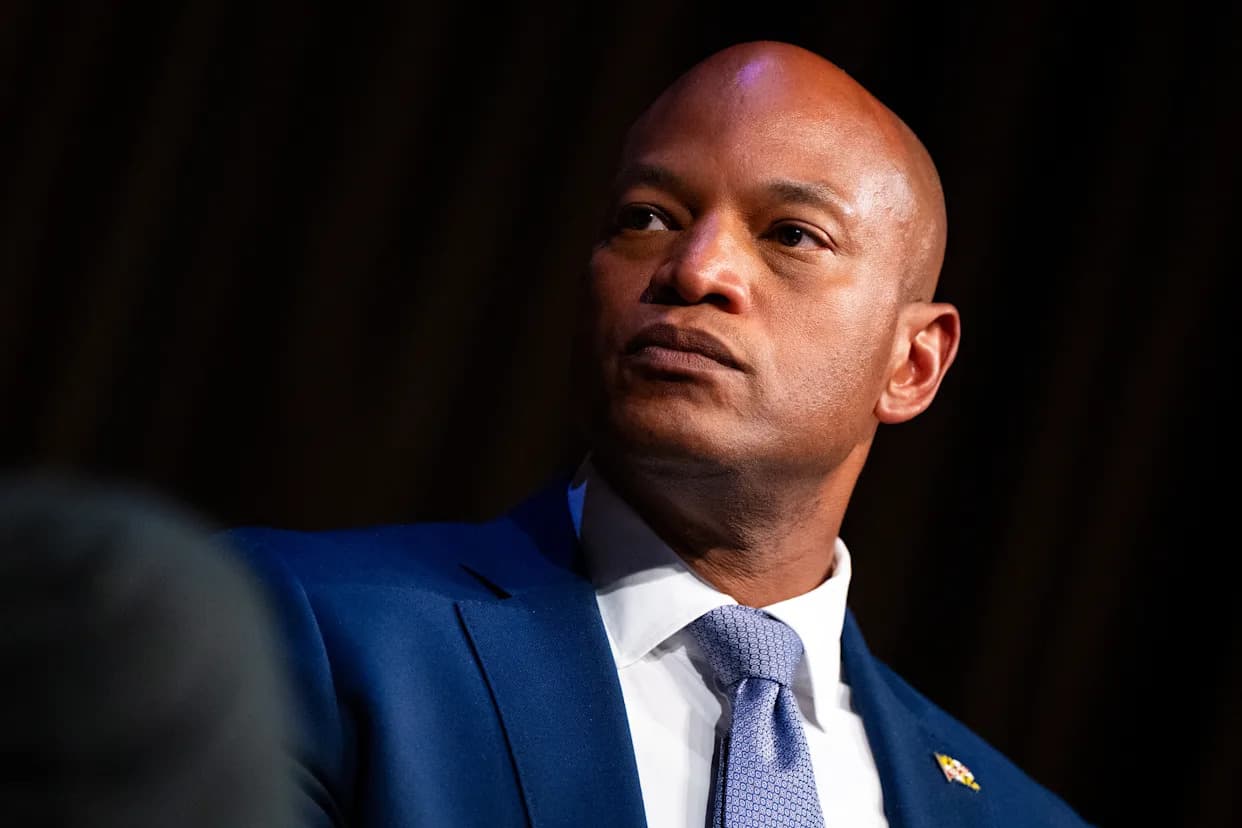
Wes Moore, Governor of Maryland, speaks during the National Action Network (NAN) Convention in New York, Thursday, April 9, 2026. (AP Photo/Angelina Katsanis)(ASSOCIATED PRESS)
Maryland Democrats have rejected a high‑profile mid‑decade congressional redistricting proposal backed by Gov. Wes Moore, letting the bill die as the state legislative session closed. The effort, intended to redraw districts in a way that could have improved Democrats’ chances in the midterms, stalled amid concerns that a judicial challenge could produce an even less favorable map.
The Democratic‑controlled Maryland Senate left the measure in committee late Monday after internal debate over the political and legal risks. The chamber’s leaders feared litigation would invite a court to impose a judge‑drawn map — potentially harming Democratic incumbents more than the proposed plan would have helped them.
Background
Moore, who appointed a panel in November to recommend new district lines, pushed lawmakers to act, arguing the changes were necessary to blunt what he described as a national push by former President Donald Trump to reshape electoral rules in GOP‑led states. The Maryland House approved legislation adopting the new map in early February, but objections from Senate leadership prevented it from advancing.
“This is not a political game to me,” Moore told The Associated Press. “I don’t look at this as some kind of political talking point. I look at the fact that I think Donald Trump is actively trying to manipulate and change the rules around the November election and beyond because he knows he cannot win on his policies.”
State Senate President Bill Ferguson warned that litigation was likely and warned it could backfire. He pointed to a 2021 congressional map that a judge later struck down as “a product of extreme partisan gerrymandering,” noting Maryland adopted a different map in 2022 and the parties then dropped their legal fight.
Democrats already outnumber Republicans roughly two to one in Maryland and hold seven of the state’s eight U.S. House seats; Rep. Andy Harris is the lone Republican. The proposed map would have made it easier to challenge Harris’ seat, but the plan will not move forward this cycle.
National Context
The Maryland debate is part of a larger wave of mid‑decade redistricting activity across the country. Former President Trump had encouraged Republican‑led states such as Texas to redraw maps, prompting responses in other states: Republican Gov. Ron DeSantis called a special session in Florida for lawmakers to redraw districts, and Virginia voters faced a referendum on a new congressional map.
Republicans estimate they could net about nine additional U.S. House seats across several states including Texas, Missouri, North Carolina and Ohio, while Democrats see potential gains in states such as California and Utah and possibly in Virginia.
What Happens Next
With the legislative session concluded and the Senate unwilling to advance the proposal, Maryland will remain under its current map for now. The dispute highlights the tension inside the Democratic Party over whether mid‑decade redistricting is a necessary defensive move or an unnecessary legal risk.
Help us improve.