The U.S. Supreme Court is considering whether states can reject ballots that arrive after Election Day, a change that would upend Alaska’s practice of counting ballots postmarked on Election Day for up to 10 days. Rural and Alaska Native communities, which depend on air mail and routinely experience delays, could be disproportionately disenfranchised. The potential ruling comes amid a competitive Senate race between Mary Peltola and Dan Sullivan and could force rapid changes to Alaska’s election administration this summer.
Supreme Court Ruling Could Disrupt Alaska Mail Voting — And Tip a Key Senate Race
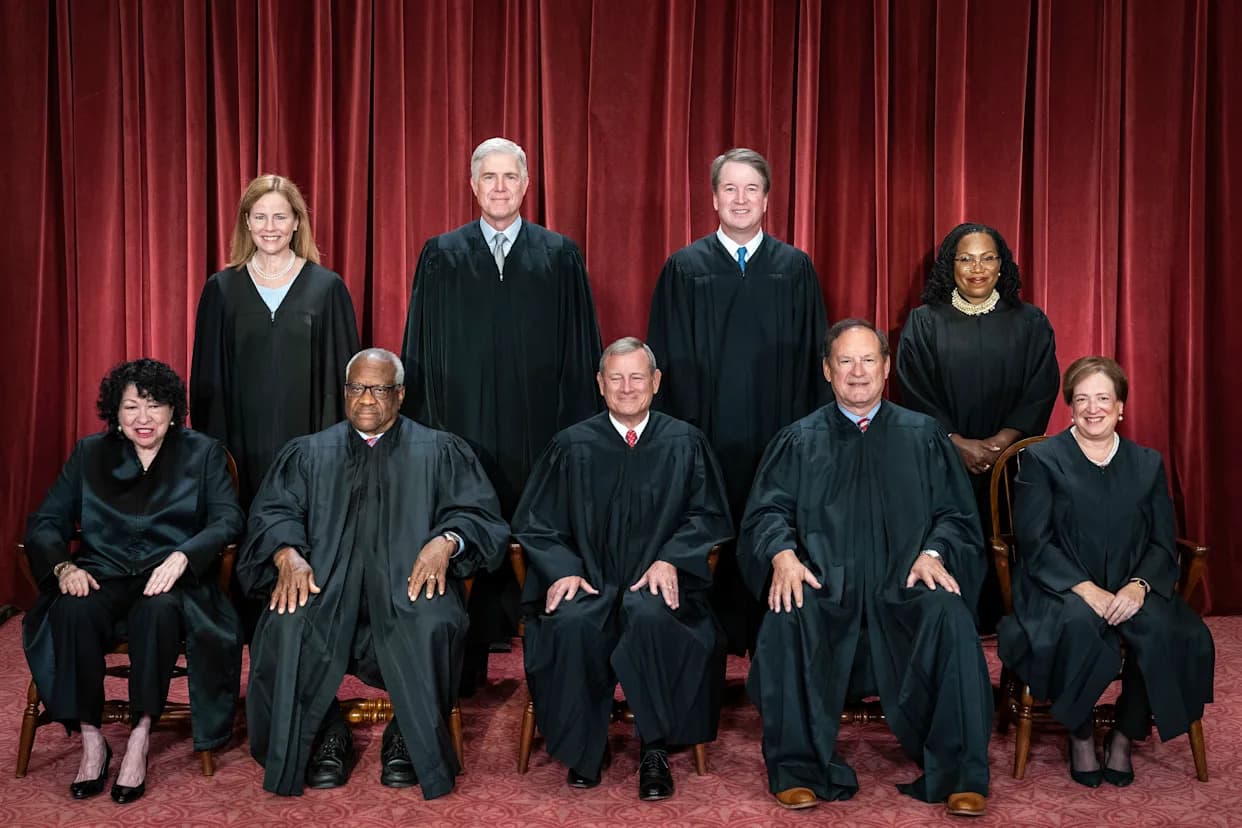
‘It would be catastrophic’: A Supreme Court decision could upend Alaska’s crucial Senate race
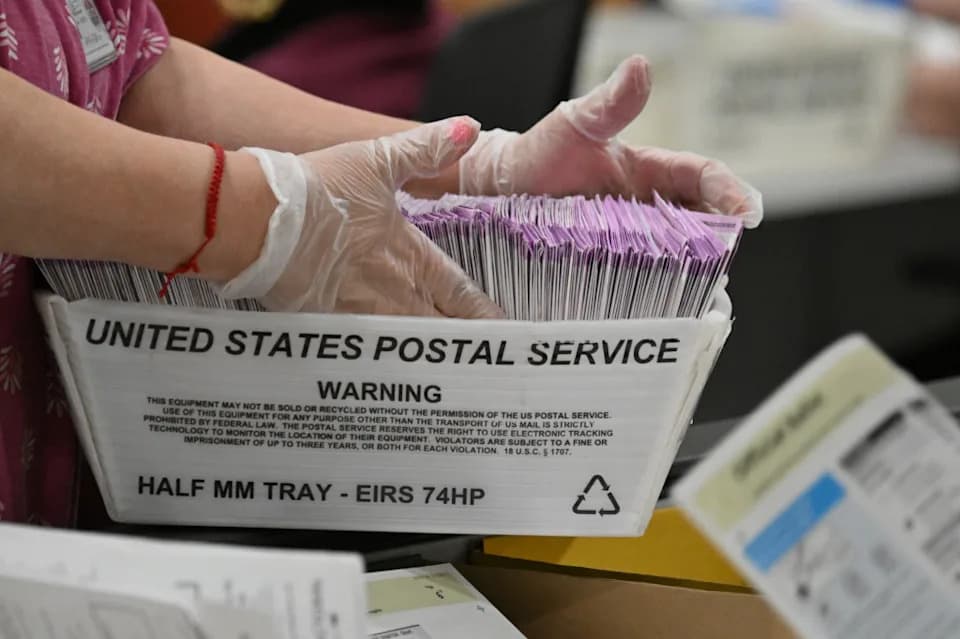
In the small villages scattered across Kodiak Island off southwest Alaska, mail arrives by plane — when weather allows. Getting a ballot from a remote village to the regional hub commonly takes at least two days, and storms can ground flights for longer. That logistical reality helps explain why Alaska counts ballots postmarked by Election Day for up to 10 days afterward.
Why Mail Voting Matters In Alaska
Alaska’s vast geography and limited road network make mail voting essential for many communities. More than four-fifths of Alaska’s communities are disconnected from the main highway system, and in many places polling sites are scarce or understaffed. For residents of the Bush — the string of remote villages from the Aleutians to the North Slope — absentee voting is often the only practical way to cast a ballot.
What The Supreme Court Case Could Change
The U.S. Supreme Court is weighing a challenge that could bar states from counting ballots that arrive after Election Day, even if they were postmarked on time. The case centers on Mississippi’s five-business-day grace period for mail ballots; it was brought by the Republican National Committee and is backed by the Trump administration. A majority of justices appear inclined to limit or eliminate such postmark-based grace periods — a move that would affect Alaska and more than a dozen other states.
Disproportionate Effect On Rural And Native Communities
Advocates and state officials warn the change would disproportionately harm Alaska Natives and other rural residents who face routine mail delays. A brief from a coalition of Native organizations cited that ballots from rural and Native areas arrive late at roughly two-to-three-times the rate of ballots from urban, non-Native areas. In the state House District 38, nearly four-fifths of absentee ballots have historically arrived after Election Day.
“This matters a lot in a place like Kodiak, because absentee voting, it’s not a convenience here,” said Jared Griffin, the independent mayor of Kodiak Island Borough. “It’s going to really hurt those rural, remote voters.”
Political Stakes: A Close Senate Race
The potential rule change comes as Alaska prepares for a competitive Senate contest between former Democratic Rep. Mary Peltola and Republican Sen. Dan Sullivan. Polling has shown Peltola with a modest lead in some surveys, and national Democrats have already invested millions in the race. Republicans, including Senate Leadership Fund, have committed large sums as well — a sign both parties see Alaska as winnable and potentially consequential for control of the U.S. Senate.
Responses From Leaders And Advocates
State Attorney General Stephen Cox asked the Supreme Court to provide clear guidance for Alaska if it issues a ruling, citing the state's unique geographic and logistical challenges. Senator Lisa Murkowski, who relies on strong support from Native communities, warned that eliminating the grace period would hit Alaska harder than most states. Both Peltola and Sullivan say they support counting ballots mailed by or on Election Day even if they are received later, though political leaders differ on broader voting measures.
Activists also note the possibility that additional federal measures, such as the proposed SAVE America Act, could further restrict mail voting and disproportionately affect rural and Native turnout. Local groups describe the combined legal and legislative pressures as a multi-front effort that could depress participation among voters who already face barriers.
What Comes Next
The Supreme Court could issue its ruling this summer. If it restricts postmarked grace periods, states like Alaska would need to adapt quickly before upcoming primaries and the November general election. Local officials, campaigns, and advocates say planning, outreach by air and sea, and potential legal adjustments will be necessary to ensure voters in remote communities can still participate.
Bottom line: A court decision on late-arriving mail ballots could reshape election rules nationwide and carries particular consequences for Alaska’s rural and Native communities — and for a Senate race that both parties are heavily contesting.
Help us improve.