
From orbit on Artemis II, astronaut Christina Koch honored Katherine Johnson, Dorothy Vaughan and the millions of engineers, technicians and partners who made the mission possible. Koch recalled the crew’s three years of training and visits to U.S., European and Canadian teams who worked on the spacecraft hardware. Johnson and Vaughan—once "human computers"—helped calculate early flight trajectories and gained wider recognition after the 2016 film Hidden Figures. Social media users praised the crew’s humility and acknowledgment of past contributors.
From Orbit: Christina Koch Honors Katherine Johnson, Dorothy Vaughan and the Millions Who Built Artemis II
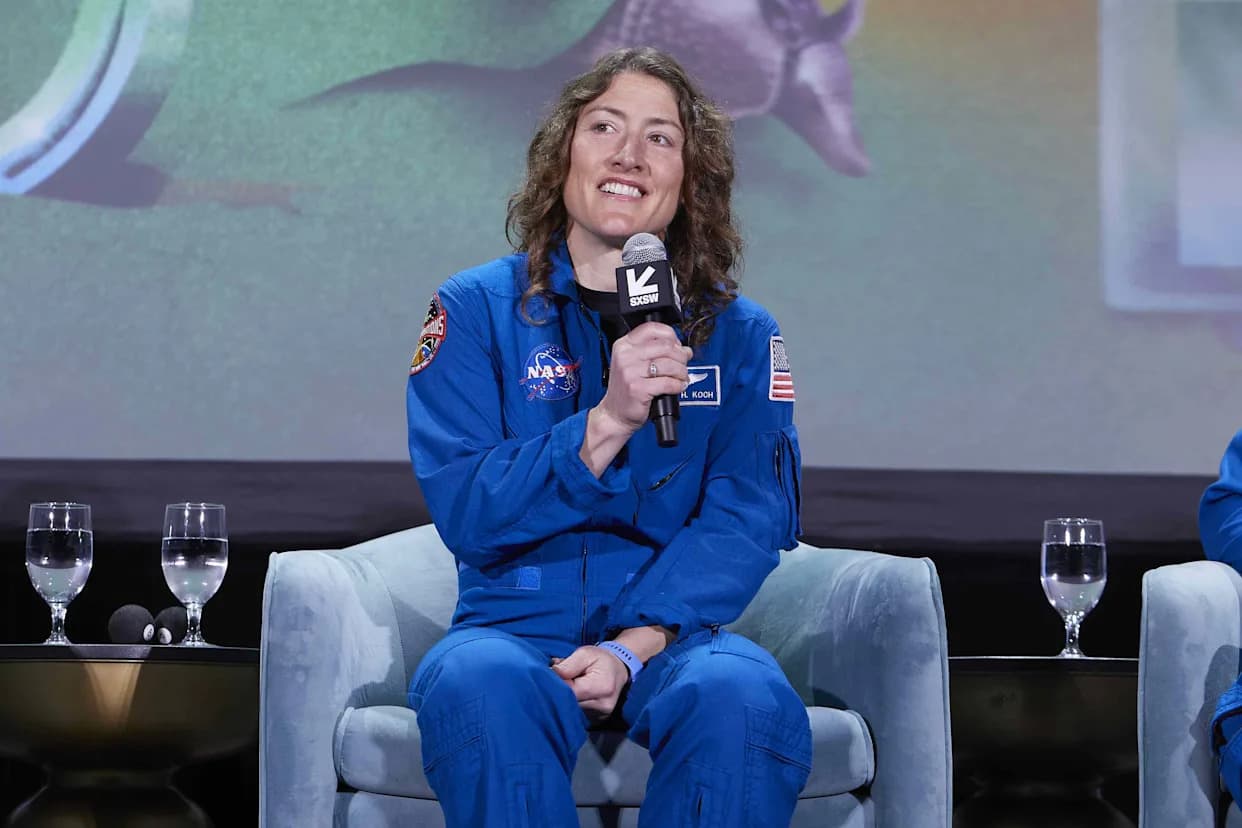
Credit: Getty Images
Speaking from orbit during the Artemis II mission, NASA astronaut Christina Koch paused to pay tribute to the generations of engineers, technicians and trailblazers whose work made the flight possible.
Surrounded by crewmates Reid Wiseman, Victor Glover and Jeremy Hansen, Koch specifically named pioneers such as Katherine Johnson and Dorothy Vaughan while stressing that the mission rests on the labor and expertise of countless people on the ground.
“We would never be here if it weren't for so many people that came before us, starting with Neil Armstrong, Katherine Johnson, Dorothy Vaughan, (and) civil rights movement leaders,” Koch said in a video that has garnered more than 370,000 views.
Koch elaborated on the crew’s three years of training, noting that they visited sites across the United States and consulted with European and Canadian partners to meet the people who had worked on the spacecraft hardware. She described the assembly process—from valves to harnesses lifted in the Vehicle Assembly Building (VAB)—as a chain of hands and records that collectively enabled the mission.
Katherine Johnson and Dorothy Vaughan were Black mathematicians in the segregated South who served as “human computers” at NASA during the 1950s Space Race. Johnson calculated critical flight trajectories, and Vaughan led computing teams—work that helped send early astronauts into orbit and that challenged the limits placed on Black women under Jim Crow.
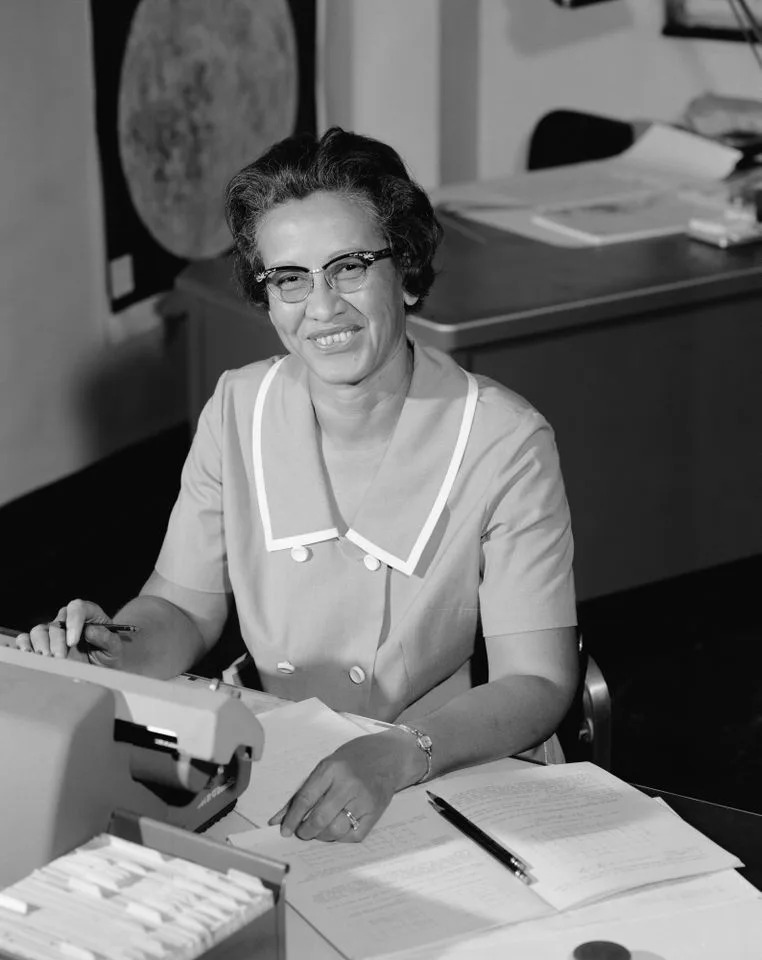
NASA space scientist and mathematician Katherine Johnson in 1966.Credit: Getty Images
Their contributions reached a broader public after the 2016 film Hidden Figures, adapted from Margot Lee Shetterly’s book, which helped bring long-overlooked pioneers into wider recognition.
Reaction on social media was swift and emotional, with users praising the crew’s humility and the broader recognition of those who made spaceflight possible. Comments highlighted themes of collaboration, inclusion and gratitude toward the many hands behind the mission.
Selected Social Responses:
“Flying on the shoulders of giants… collaboration, inclusion, solidarity.”
“Generations of Shoulders. How wonderful of you all to appreciate this, and say it with such great humility. Happy tears right now…”
Koch’s remarks serve as a reminder that modern space missions are the result of decades of scientific achievement and of many people—recognized and unrecognized—who contributed their skills and sacrifice to make exploration possible.
Help us improve.





















