President Donald Trump will attend the White House Correspondents' Association dinner this month, reigniting debate over whether journalists should socialize with an administration accused of press intimidation. The controversy followed Mr. Trump’s threat to jail a reporter who refuses to identify a source in a case involving a missing U.S. airman. Some outlets, including HuffPost, are boycotting; others argue attendance preserves access. The event will feature mentalist Oz Pearlman and quieter First Amendment protests by reporters.
Trump To Attend White House Correspondents' Dinner Amid Outcry Over Threats To Journalists
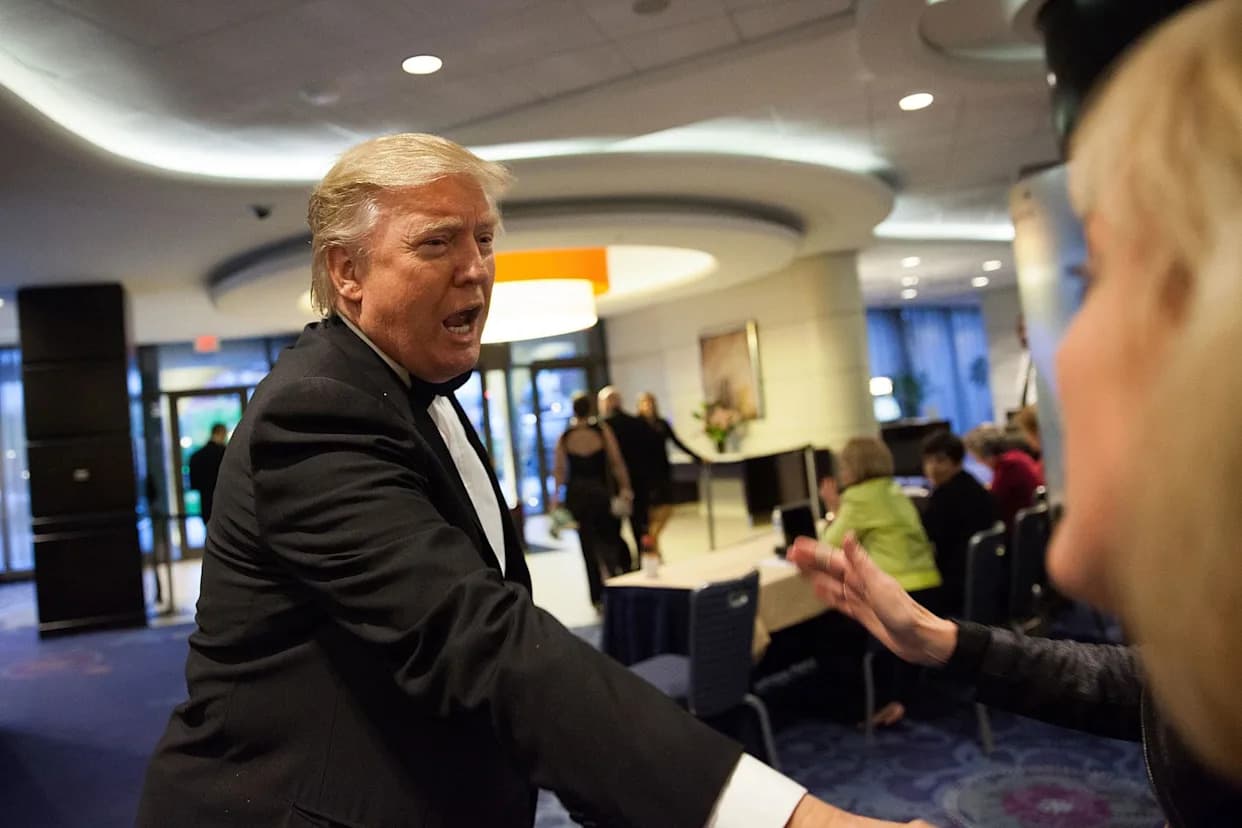
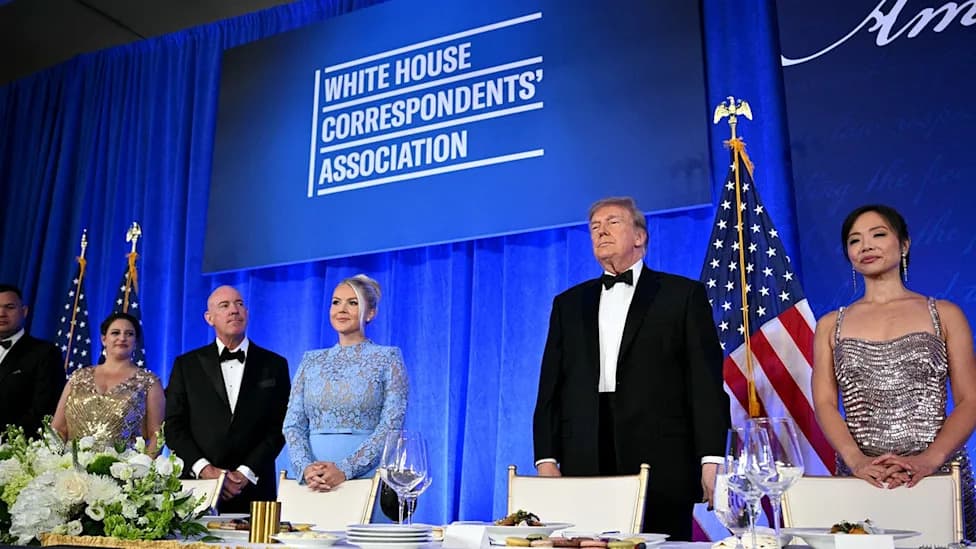
Donald Trump attends the 101st Annual White House Correspondents' Association Dinner at the Washington Hilton on April 25, 2015 in Washington, DC.Photograph: Leah Puttkammer/FilmMagic(Photograph: Leah Puttkammer/FilmMagic)
The White House Correspondents' Association (WHCA) will host President Donald Trump at its annual fundraising dinner in Washington, D.C., later this month, reviving debate over whether reporters should share a stage with an administration many journalists say has increasingly targeted the press.
What Sparked the Controversy
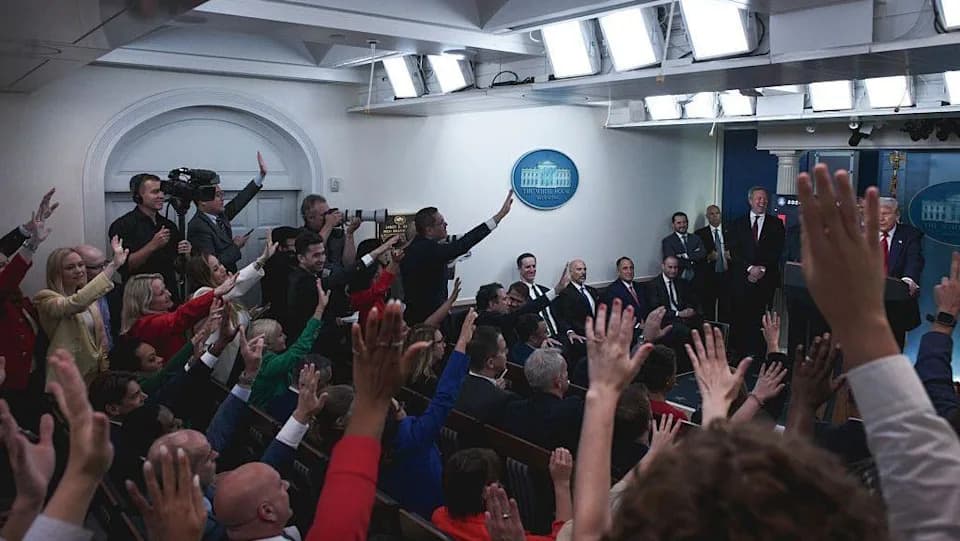
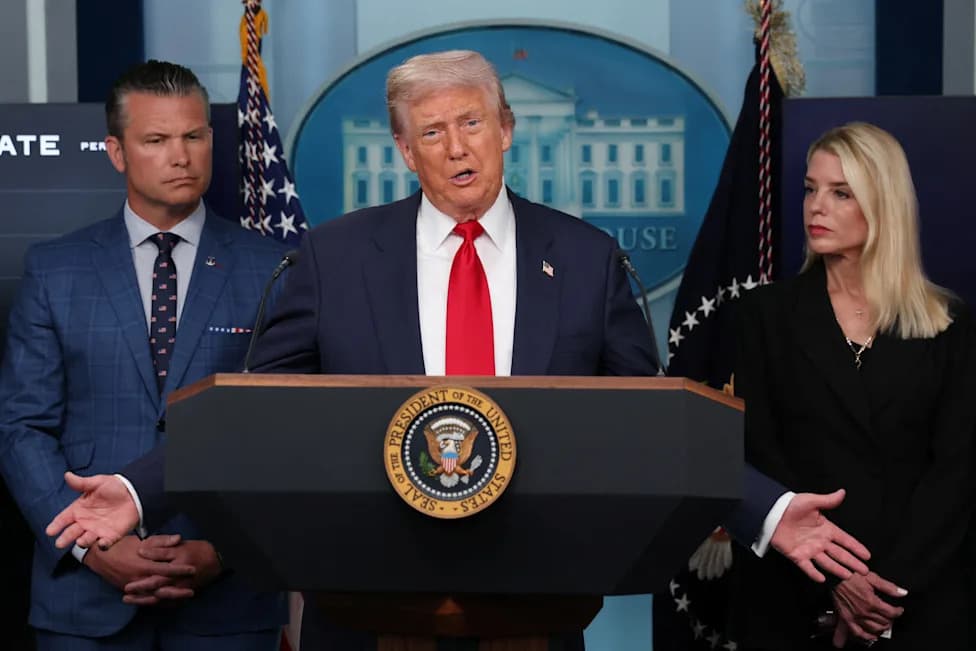
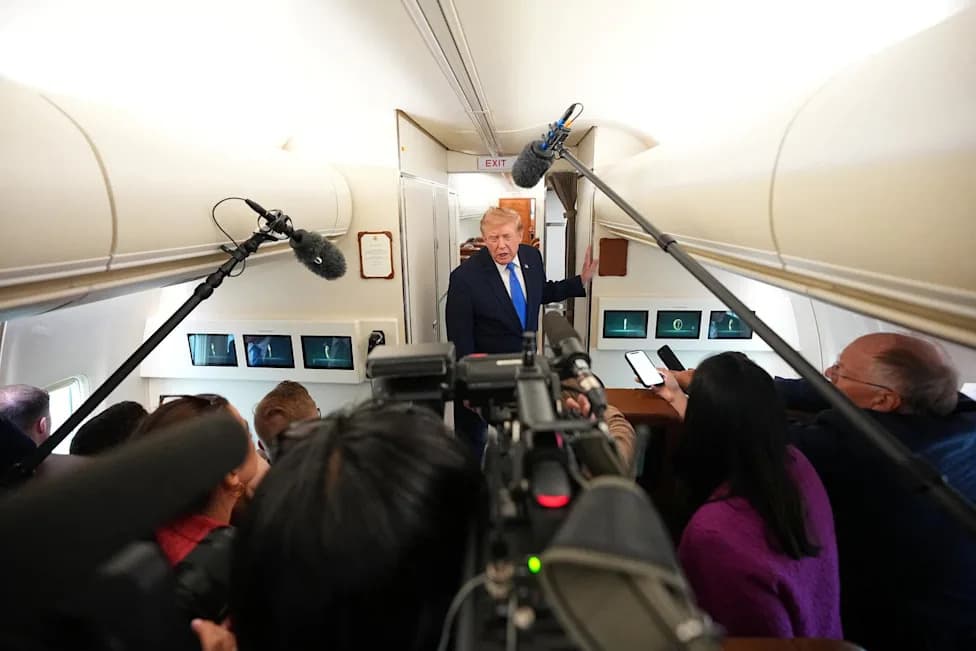
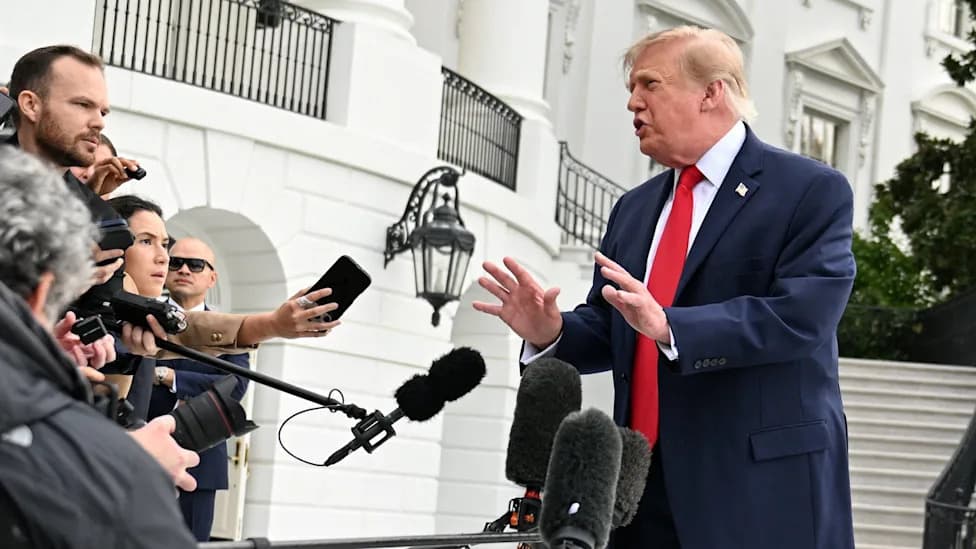
The controversy intensified after Mr. Trump told a room of White House reporters that a journalist who refused to identify a source tied to the case of a second U.S. airman missing after being shot down by Iran "will go to jail if he doesn't say." He did not name the reporter or the outlet involved. The comment alarmed press-rights groups and many reporters, who described it as part of a broader pattern of pressure on news organizations.
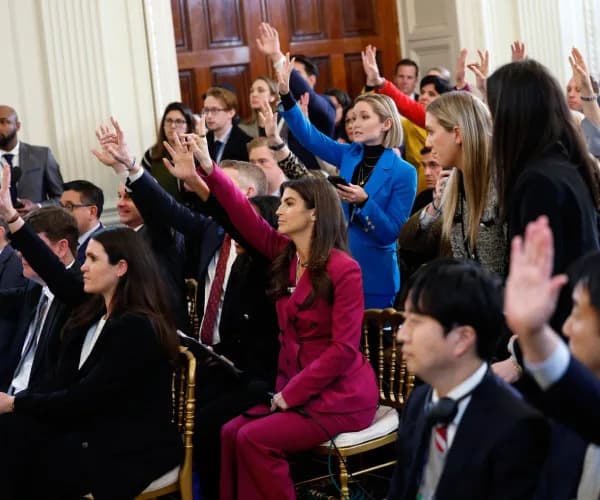
“The person who did the story will go to jail if he doesn’t say,” said Mr. Trump to a packed room of White House reporters.
Press Response And Boycotts
HuffPost announced it would not attend the dinner, citing what its editor-in-chief described as a pattern of intimidation and efforts to punish outlets seen as critical of the administration. The New York Times has long avoided the event on the grounds that such celebrations risk creating an unhealthy perception of coziness between the press and the presidency.
Some veteran correspondents say newsrooms are still wrestling with attendance decisions. "Last year was bad. This year is worse," one longtime White House correspondent said on condition of anonymity. Others argue that attendance can preserve lines of communication and show that even adversarial relationships remain open to engagement.
Allegations Of Pressure On The Media
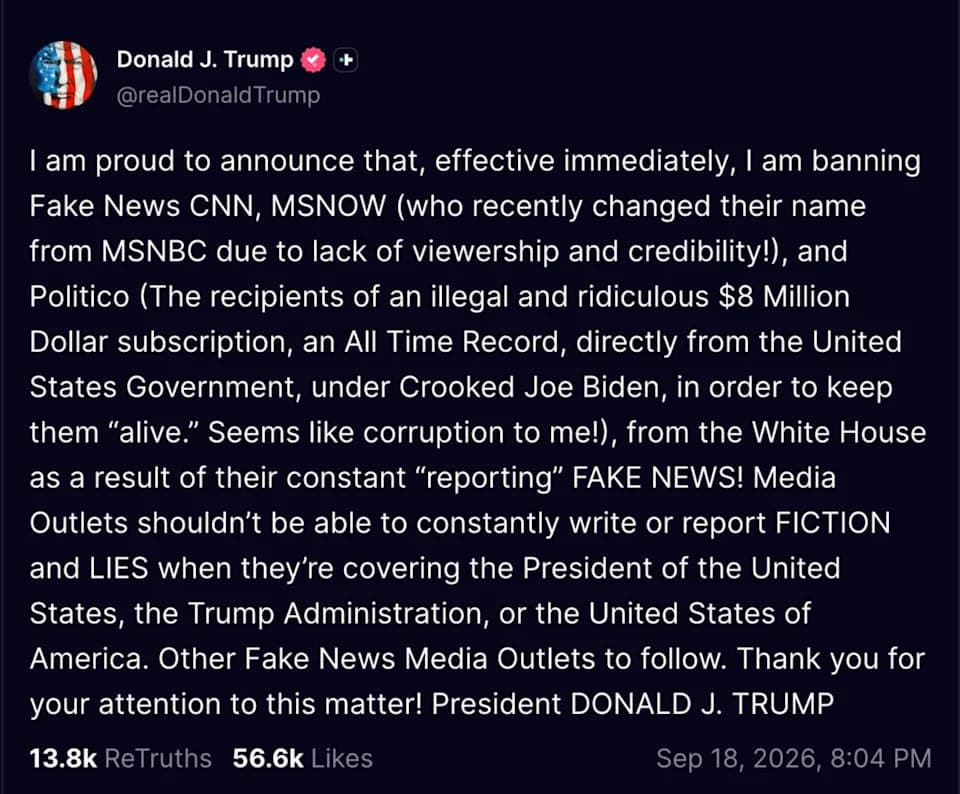
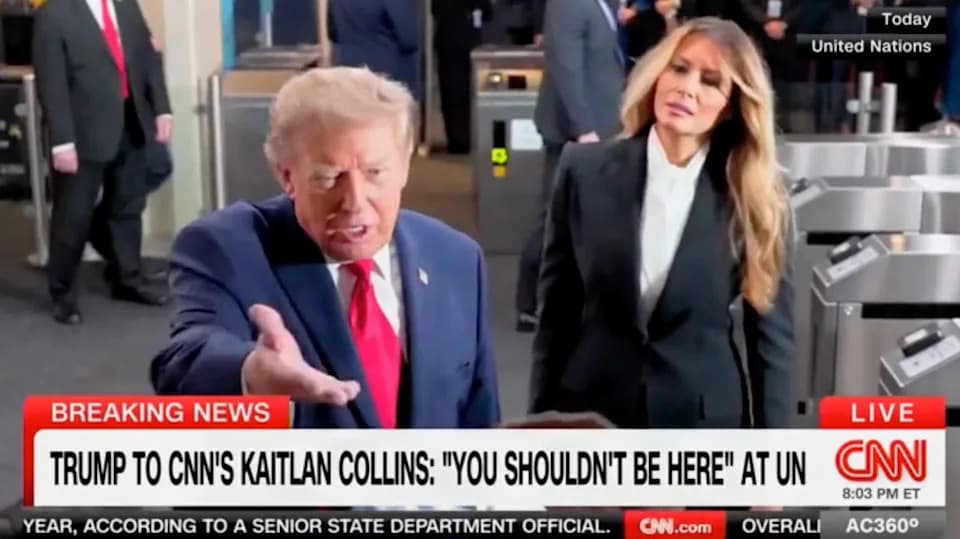
Over the past 14 months of Mr. Trump's second term, critics say the administration has pursued a range of measures they view as punitive toward outlets it deems hostile: threatened or filed lawsuits, instituted stricter Pentagon press rules that limit access, and authorized searches of journalists' homes. These actions have deepened concerns about press independence and First Amendment protections.
Logistics And Optics
Reporters also raise practical concerns. The president's attendance will bring heightened Secret Service security and screening that many expect will complicate arrivals and departures and change the evening's logistics. Some regard the optics of sharing a gala with administration officials—especially amid legal and regulatory disputes—as problematic.
Event Details And Tone
This year's entertainment will depart from a traditional comic roast: the program lists mentalist Oz Pearlman as the night's performer. News organizations continue to invite elected officials and cabinet members to their tables, including some who have been critical of the media; reports indicate CBS extended an invitation to Pete Hegseth. The Guardian's table will include press-freedom advocates and independent journalist Georgia Fort.
Many attendees plan quieter forms of protest: some reporters may wear pocket squares or pins emphasizing the First Amendment in a campaign organized by the Reporters Committee for Freedom of the Press. Critics question whether symbolic gestures are sufficient when legal and regulatory pressures are at stake.
Officially, the WHCA said it is pleased the president accepted the invitation. "We’re happy the president has accepted our invitation and look forward to hosting him," CBS News correspondent Weijia Jiang said in a statement last month.
As the dinner approaches, the split among newsrooms reflects a broader debate about how the press should balance access, independence and accountability when confronting an administration that many reporters say has increasingly conflated criticism with hostility.
Help us improve.