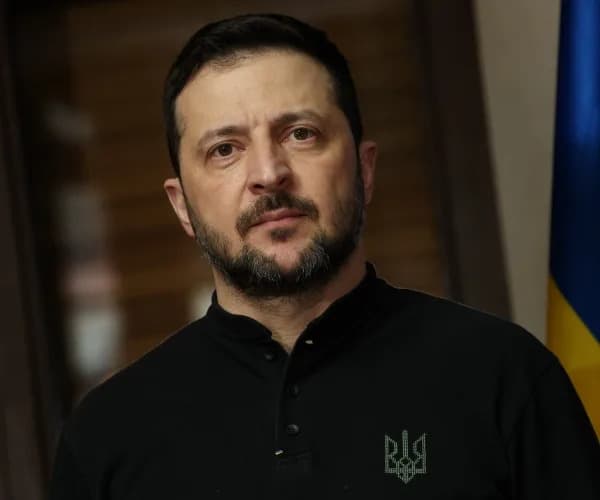
President Volodymyr Zelenskiy warned that the upcoming spring and summer will be politically and militarily challenging for Ukraine, with pressure expected on both the battlefield and diplomatic fronts. He said some partners urged Kyiv to limit strikes on Russian oil amid rising global energy prices but insisted Russia must stop attacks on Ukrainian energy sites and resume Washington-mediated talks. Zelenskiy acknowledged U.S. reluctance to commit more time to peace talks and urged trilateral negotiations within three months.
Zelenskiy Warns of Tough Spring–Summer as Ukraine Faces Diplomatic and Military Pressure
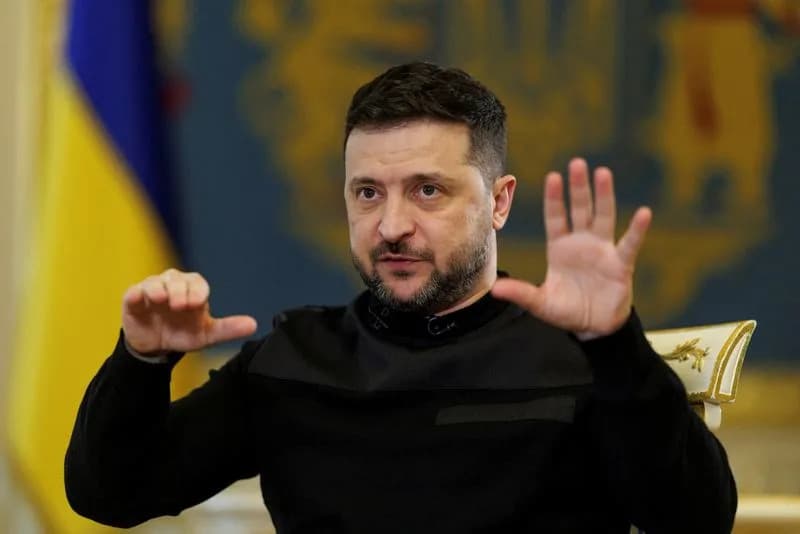
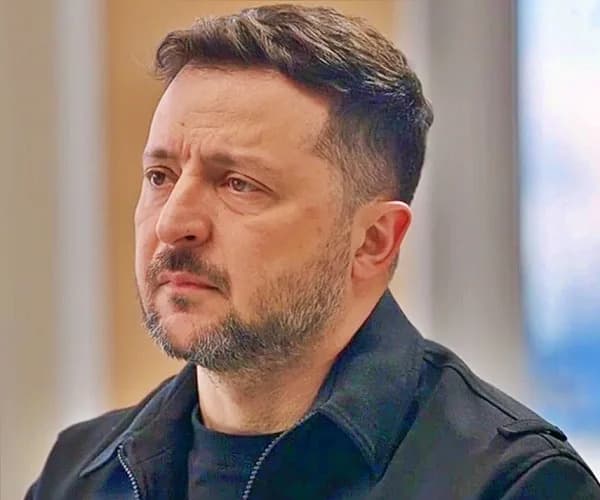
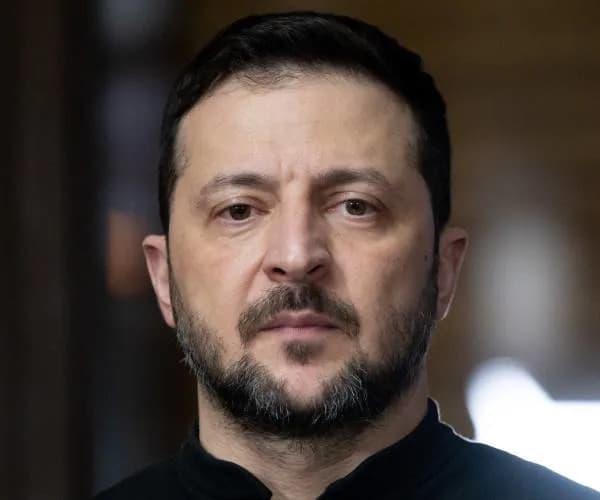
FILE PHOTO: Ukraine's President Volodymyr Zelenskiy speaks during an interview with Reuters, amid Russia's attack on Ukraine, in Kyiv, Ukraine March 25, 2026. REUTERS/Valentyn Ogirenko/File Photo
President Volodymyr Zelenskiy warned that the coming spring and summer will be a difficult period for Ukraine, with simultaneous pressure on the battlefield and in diplomatic channels as efforts continue to end the war.
Diplomatic Pressure Over Energy Strikes
Zelenskiy said some international partners have urged Kyiv to scale back strikes on Russian oil infrastructure amid a spike in global energy prices driven by recent Iran-related fighting and rising tensions across the Middle East. He did not identify the specific partners.
Conditions For De-escalation
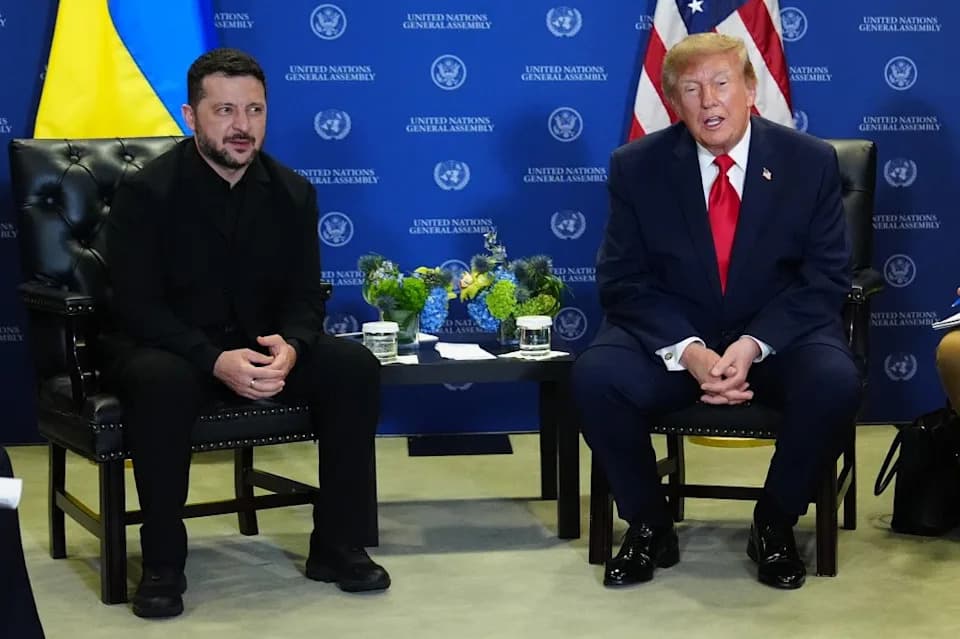
The president said Russia could signal a genuine desire to de-escalate by halting strikes on Ukrainian energy facilities and agreeing to resume trilateral peace talks mediated by Washington. He acknowledged, however, that the United States is currently reluctant to devote substantially more time to restarting the peace process.
"This spring–summer period will be quite difficult politically and diplomatically. There may be pressure on Ukraine. There will also be pressure on the battlefield. I believe it will be very difficult for us until September," Zelenskiy told reporters in comments released by his office.
Energy Market Developments
In March, the U.S. issued a 30-day waiver allowing some countries to import sanctioned Russian oil and petroleum products to help steady global energy markets disrupted by the regional tensions. Zelenskiy said he hopes U.S. sanctions on Russian oil — temporarily eased during the crisis — will be fully reinstated.
Escalating Attacks on Energy Targets
Ukraine has in recent weeks intensified strikes on Russian energy facilities to reduce Moscow's oil revenue, with the Ukrainian military claiming responsibility for more than a dozen attacks. The most significant strikes reportedly hit the Baltic Sea export terminals at Ust-Luga and Primorsk, two of Russia's largest petroleum outlets.
"Russians now have major problems with some of their facilities. After any strike on our energy sector, we respond – and that is entirely fair. If Russians want this to stop, they must stop their strikes, and then we will act in kind," Zelenskiy said.
Front-Line Fighting and Drone Attacks
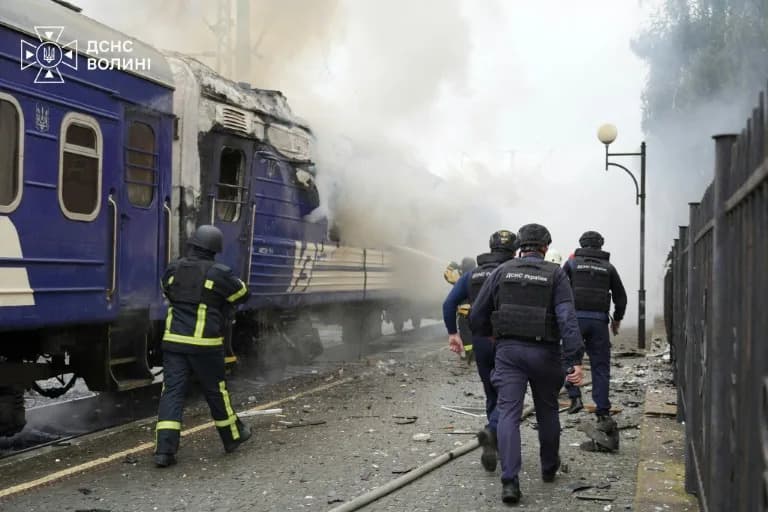
Heavy fighting continues along a front stretching more than 1,200 km, with both Russia and Ukraine stepping up drone operations and strikes on targets well beyond the immediate frontline.
The president urged that, if Moscow truly seeks de-escalation, trilateral diplomatic talks to negotiate an end to the war should take place within the next three months. So far, three rounds of such talks this year have produced no breakthrough, and Kyiv has rejected Russian demands to cede remaining parts of the eastern Donbas region.
Reporting by Olena Harmash; editing by Daniel Flynn and Jan Harvey.
Help us improve.