Survivors of the March 1 Shahed drone strike at Port of Shuaiba say their operations center was thinly fortified and lacked effective drone defenses, disputing Pentagon descriptions that the drone "squeaked through." The blast killed six U.S. service members and wounded more than 20. Troops described chaotic triage, improvised evacuations to local hospitals, and questions about why the post remained within Iran's drone range. The Pentagon says an investigation is ongoing and asserts protective measures were in place.
‘We Weren’t Fortified’: Kuwait Drone-Strike Survivors Challenge Pentagon’s Account After Deadly Shahed Attack
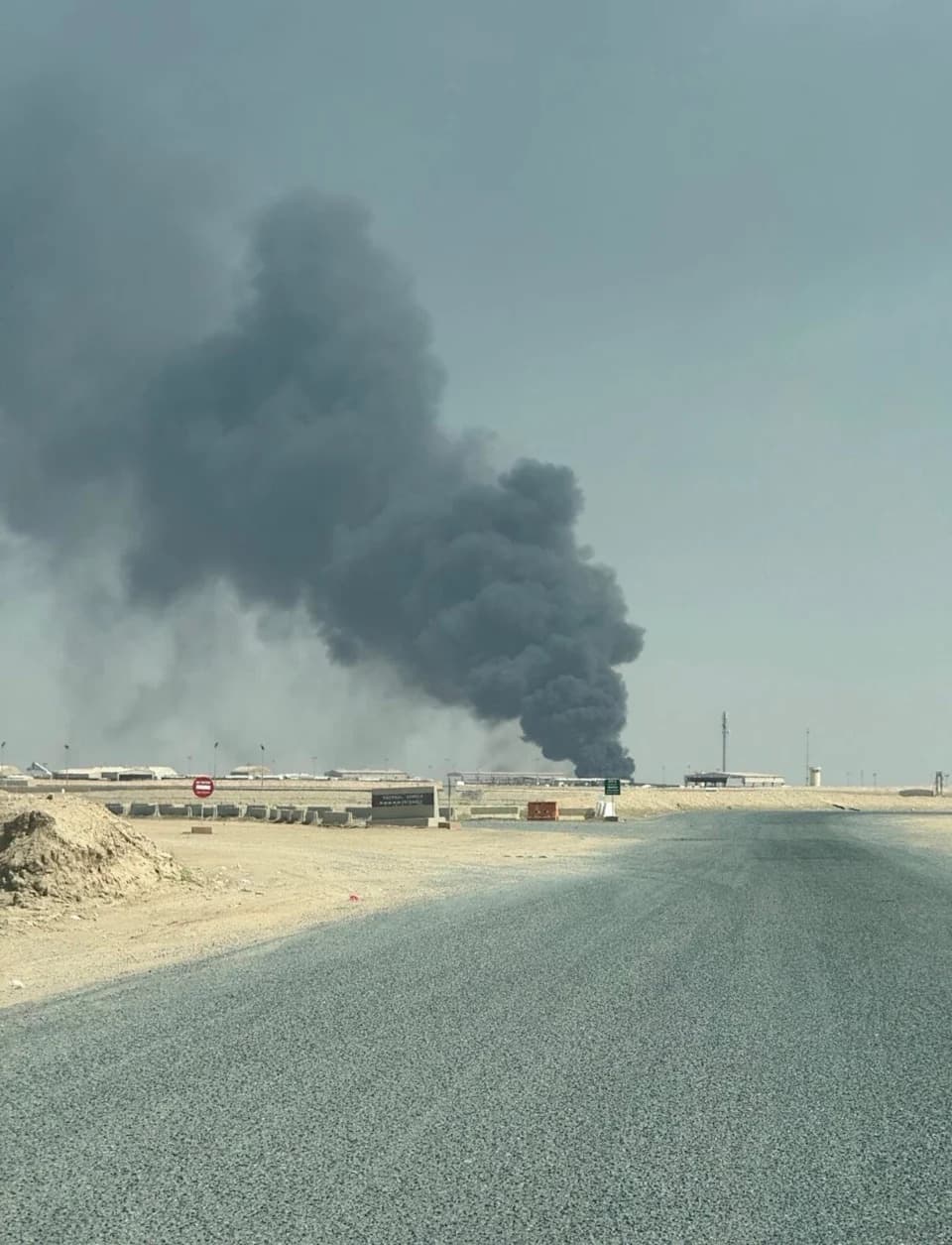
Photo obtained by CBS News shows smoke rising from the site of an Iranian drone attack that killed six U.S. service members in Kuwait on March 1, 2026.
Survivors of the March 1 Shahed drone strike at the Port of Shuaiba in Kuwait have publicly disputed the Pentagon's account of the attack, saying the tactical operations center where they worked was thinly fortified and lacked effective drone defenses. The blast killed six U.S. service members and wounded more than 20 others.
Eyewitness Accounts From the Ground
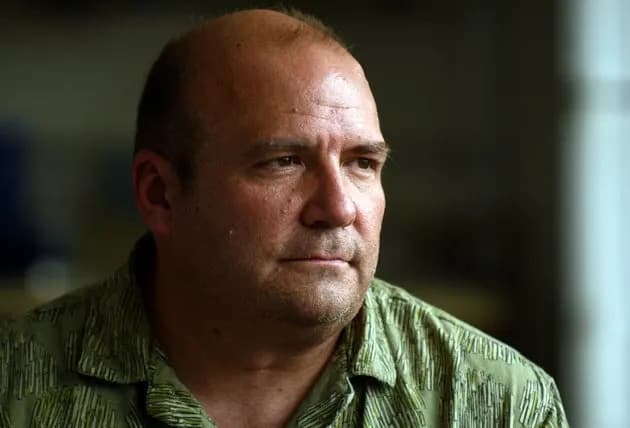
Members of the Army's 103rd Sustainment Command, speaking to CBS News on the condition of anonymity because of military media rules, described chaotic scenes after the drone detonated at the center of their workspace. "Painting a picture that 'one squeaked through' is a falsehood," one injured soldier said. "I want people to know the unit … was unprepared to provide any defense for itself. It was not a fortified position."
Timeline
Hours before the strike, crews sheltered in a cement bunker while a ballistic missile passed overhead. An all-clear sounded at about 9:15 a.m., and personnel returned to a wood-and-tin operations area roughly the width of three trailers. About 30 minutes later the blast struck. Survivors described ringing ears, blurred vision, dust, smoke and severe injuries including head wounds, perforated eardrums and shrapnel wounds.
Fortifications, Vulnerabilities and Questions
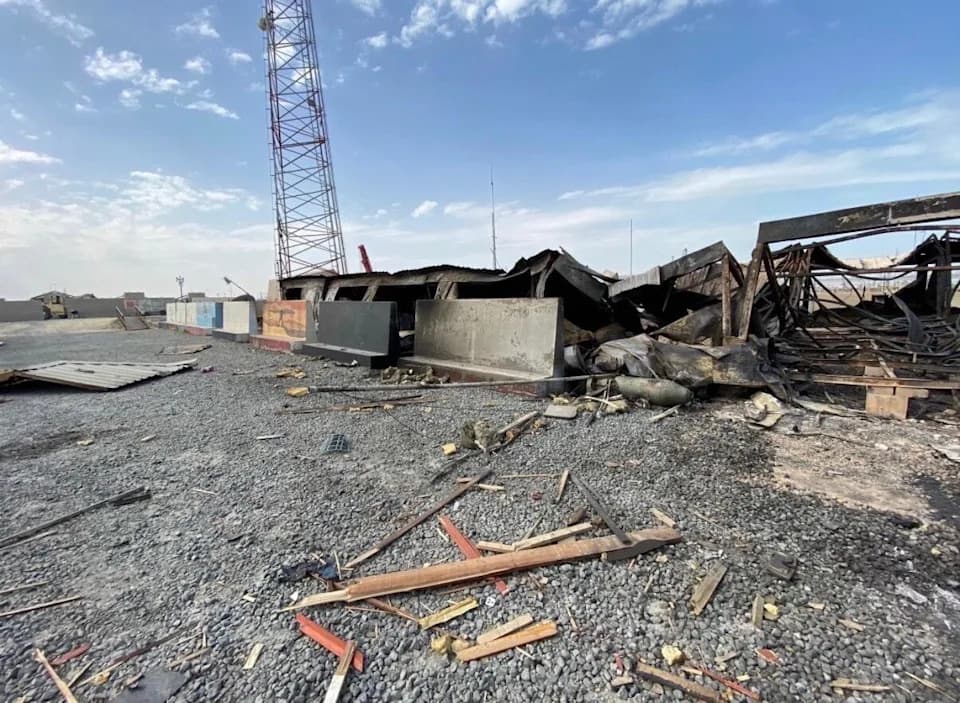
The outpost at Port of Shuaiba resembled older forward operating sites with T-walls and small tin buildings. Several soldiers said those barriers are effective against mortars and rockets but provide little to no overhead protection from drones. One soldier said intelligence had listed the site as a potential Iranian target and questioned why the unit was moved closer to Iran during the wider Operation Epic Fury.
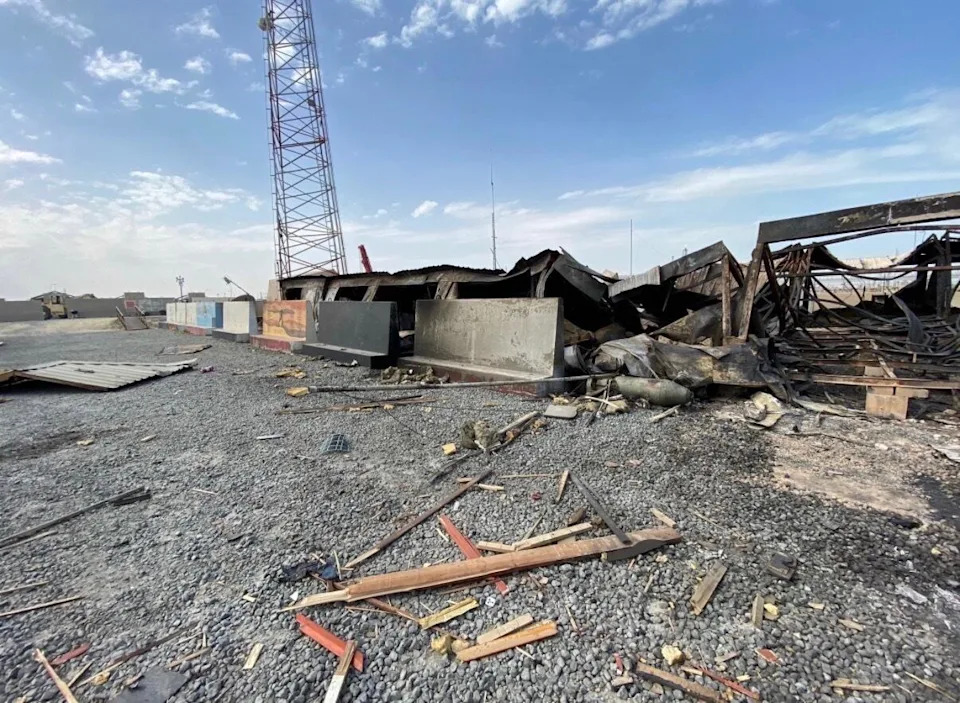
Photo obtained by CBS News shows damage from the Iranian drone attack that killed six U.S. service members in Kuwait on March 1, 2026.
"From a bunker standpoint, that's about as weak as one gets... From a drone defense capability … none," a survivor said.
Response, Rescue and Aftermath
After the strike, survivors improvised triage using makeshift bandages, braces and tourniquets. They commandeered civilian vehicles to evacuate wounded personnel to two Kuwaiti hospitals in Fahaheel. Witnesses described confusion and frantic efforts to get casualties out; some survivors said they feared not everyone had been evacuated immediately.
Pentagon Response
The Defense Department has declined to comment on specific survivor claims while an investigation remains active. Defense Secretary Pete Hegseth described the drone as a "squirter" that "happened to hit a tactical operations center that was fortified," a characterization some survivors strongly dispute. Assistant Secretary of Defense Sean Parnell posted that "every possible measure has been taken to safeguard our troops" and that the "secure facility was fortified with 6-foot walls."
What Survivors Want
Survivors emphasized their pride in comrades' bravery while pressing for candor about what happened so lessons can be learned. "Telling the truth is important and we're not going to learn from these mistakes if we pretend these mistakes didn't happen," one soldier said. Others said they believe the attack was preventable.
Note: Reporting on details and assertions is ongoing. The Pentagon investigation into the Port of Shuaiba strike remains active.
Help us improve.