
The wreck long known off the Florida Keys has been positively identified as HMS Tyger, a British warship that ran aground near Garden Key on January 13, 1742. New evidence from a 2021 survey — including five cannons found about 500 yards from the main site and a logbook note — matched the ship’s recorded armament and grounding. More than 300 crew members spent 66 days marooned, burned the wreck to deny its guns to the Spanish, and later sailed to Jamaica. The findings, published in the International Journal of Nautical Archaeology, highlight the value of preservation in place and new archaeological tools.
How Archaeologists Confirmed the HMS Tyger: A 1742 British Warship Identified Off the Florida Keys
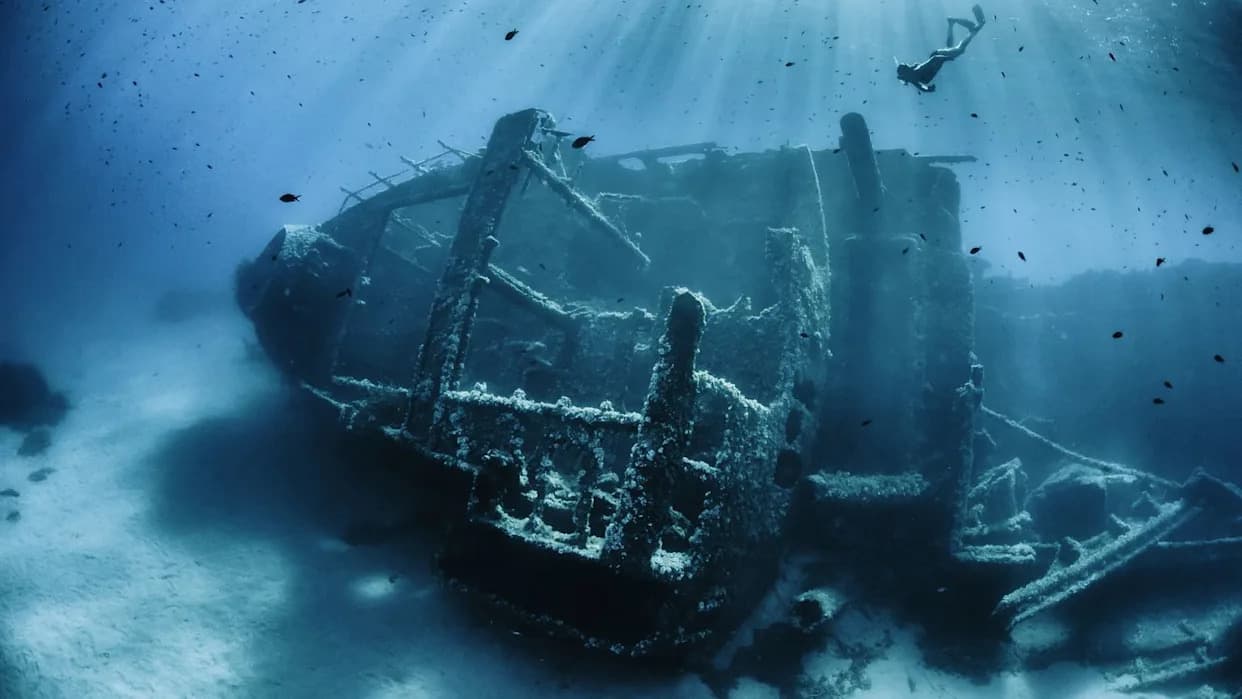
Sunken British Warship from 1742 IdentifiedEric Volto - Getty Images
A sunken warship discovered nearly 30 years ago off the Florida Keys has finally been identified as the British warship HMS Tyger, which ran aground on a coral reef near Garden Key on January 13, 1742. New evidence recovered during a 2021 survey and analyzed in 2024 linked the wreck to historical records of the Tyger’s grounding and armament.
Evidence That Solved a Maritime Mystery
The wreck was first located in 1993, but a positive identification required fresh archaeological work. Researchers from Dry Tortugas National Park, the National Park Service’s Submerged Resources Center, and the Southeast Archaeological Center found five cannons roughly 500 yards from the main wreck site and uncovered a marginal note in period logbooks describing how the crew "lightened her forward" after running aground.
Detailed typological and ballistic analysis showed the guns were British six- and nine-pound cannons consistent with the Tyger’s recorded armament. Those findings, published in the International Journal of Nautical Archaeology, provided the decisive link between the submerged site and the historical ship.
What the Records Say
The Tyger measured about 130 feet and displaced roughly 704 tons. In its 1741 configuration the ship was armed with approximately 50 guns across three decks: six 6-pounders on the quarterdeck, twenty-two 9-pounders on the upper deck, and twenty-two 18-pounders on the gun deck, according to the National Park Service. After the ship ran aground, crewmen jettisoned anchors and heavy guns and shifted weight aft in repeated attempts to refloat her, but a worsening storm and the reef’s grip forced them to abandon ship.
Survival, Shelter, and Strategy
More than 300 crew members made their way to nearby Garden Key, where they spent 66 days marooned. They endured extreme heat, mosquitoes, and scarce fresh water; built makeshift shelters that are the island’s earliest recorded fortifications (predating Fort Jefferson by more than a century); attempted a failed attack on a Spanish vessel; and tried to construct small craft from the wreckage.
To prevent Spanish salvage of the ship’s guns, the stranded sailors ultimately burned the Tyger’s remains before building improvised vessels and navigating roughly 700 miles to Port Royal, Jamaica.
"Archaeological finds are exciting, but connecting those finds to the historical record helps us tell the stories of the people that came before us," said James Crutchfield, manager of Dry Tortugas National Park.
"This discovery highlights the importance of preservation in place as future generations, armed with more advanced technologies and research tools, reexamine sites and make new discoveries," said maritime archaeologist Josh Marano, who led the team.
Under international treaty, the HMS Tyger and its artifacts remain the sovereign property of the United Kingdom, and the site is protected under cultural resource laws. The case underscores how modern survey techniques and careful in-situ preservation can let researchers resolve long-standing historical mysteries decades after a wreck’s initial discovery.
Help us improve.





















