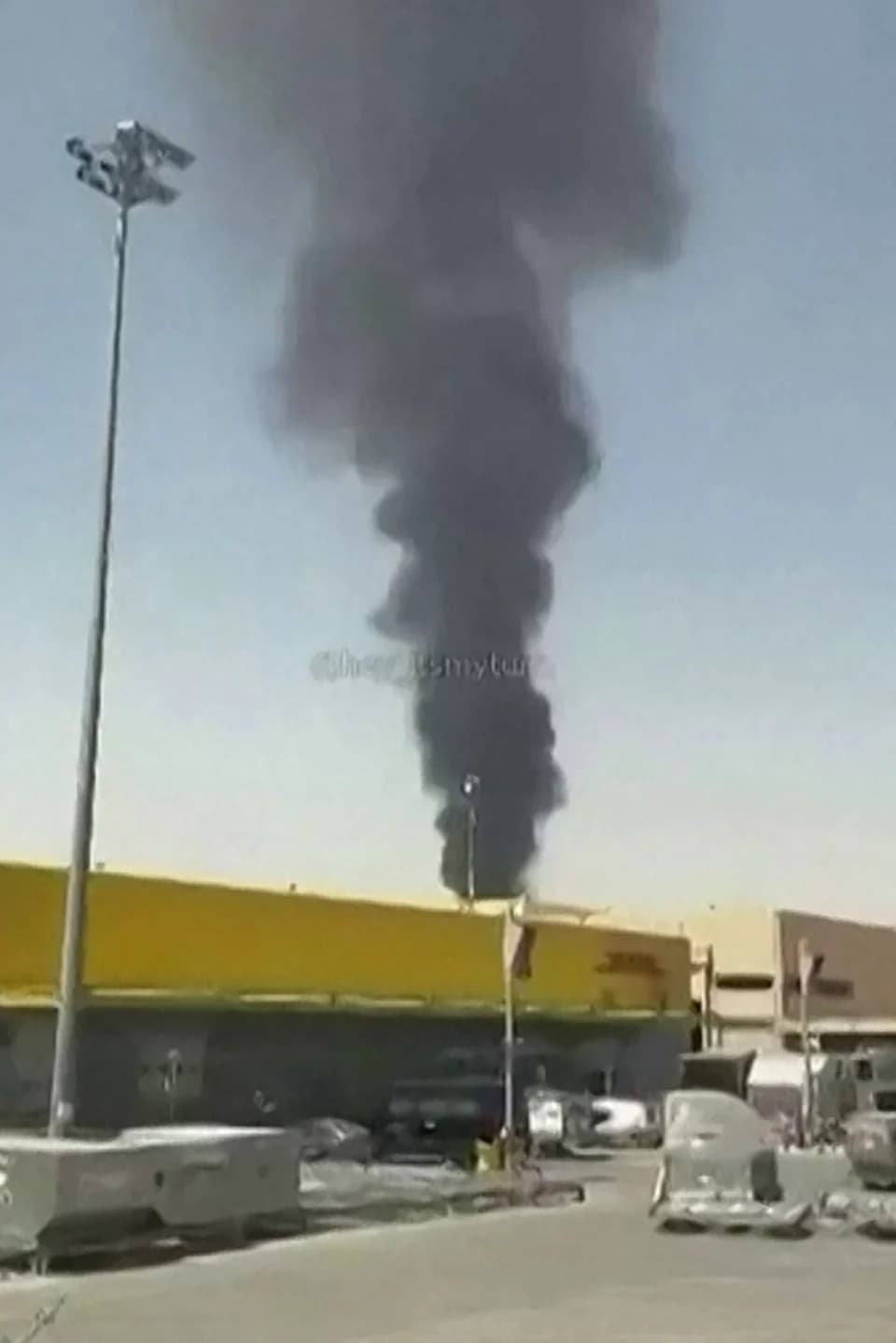
The Wall Street Journal reports that a March 3 Iranian drone strike on the U.S. Embassy compound in Riyadh breached outer walls, ignited a fire that took roughly half a day to extinguish, and damaged multiple floors—possibly beyond repair. Sources say a CIA station was among the areas hit and that the attack, which occurred around 1:30 a.m., could have caused mass casualties during working hours. Additional drones were intercepted nearby, and the incident highlights gaps between official accounts and anonymous U.S. official briefings amid broader regional strikes and reprisals.
Leaked Report: Riyadh Embassy Drone Strike Caused Far More Damage Than Officially Reported
Evelyn Hockstein / REUTERS(Evelyn Hockstein)
A new report in The Wall Street Journal alleges that an Iranian drone strike on the U.S. Embassy compound in Riyadh on March 3 inflicted substantially greater damage than Saudi officials publicly disclosed.
Current and former U.S. officials told the Journal that two drones breached the compound's outer walls inside Riyadh’s gated Diplomatic Quarter. The first strike reportedly created an opening that a second drone flew into before detonating. The blasts ignited a fire that firefighters took roughly half a day to extinguish, and sources said portions of the embassy were damaged beyond repair.
Extent of Damage and Targets
According to unnamed U.S. officials cited by the Journal, at least three separate floors of the compound sustained damage. Sources also said one of the struck areas housed a CIA station. Officials told the newspaper the attack occurred around 1:30 a.m. and likely would have produced mass casualties if it had happened during normal working hours.
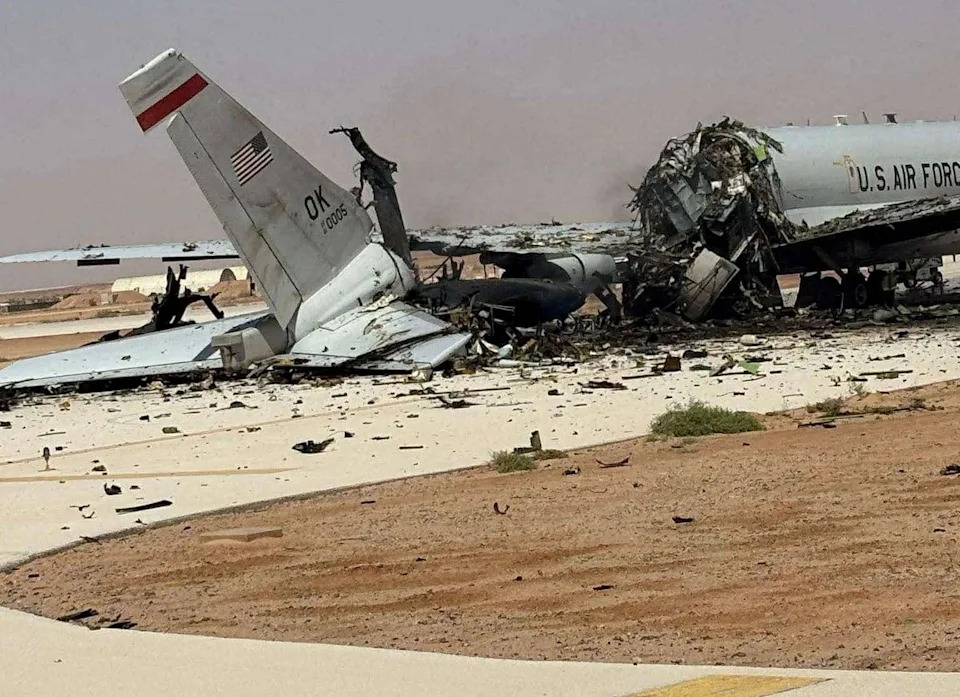
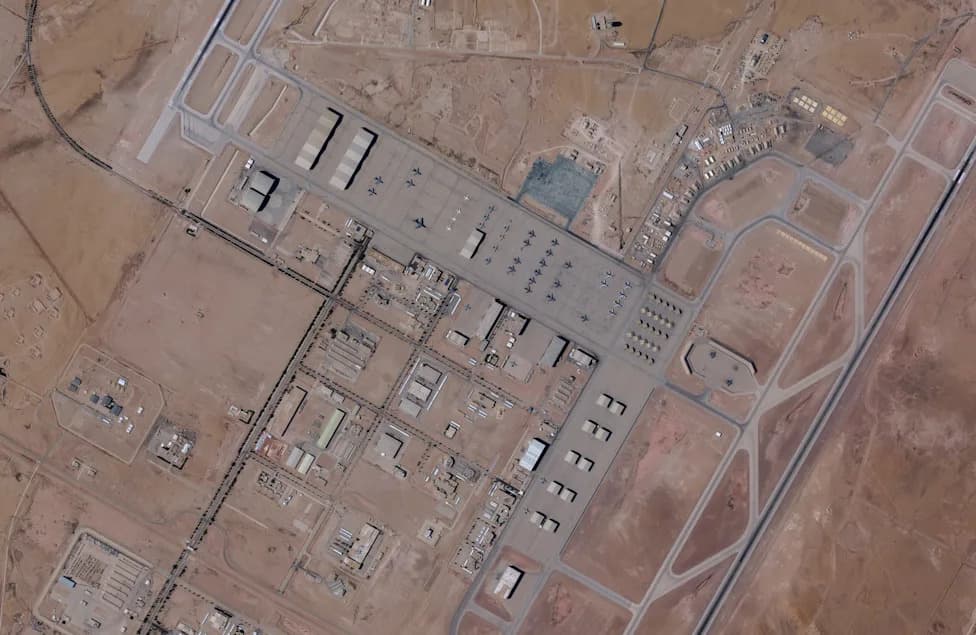
Among the targets struck by Iran last month was the E-3 Sentry, which was struck on a U.S. airfield in Saudi Arabia. / Social media/Reuters
“There’s been a complete blackout on the actual amount of damage done to these places,” Bernard Hudson, a former CIA counterterrorism chief, told the Journal. “That feeds suspicions that a lot more damage may have actually happened.”
Intercepted Drones and Nearby Risks
The Journal reported additional incoming drones were intercepted and shot down in the predawn hours, with falling debris landing near a preschool. One intercepted drone is believed to have been targeting the residence of the highest-ranking U.S. diplomat in Saudi Arabia, a home located a few hundred feet from the embassy compound.
Official Responses and Regional Context
The State Department declined to discuss specific security posture reviews or measures at its facilities, telling the Daily Beast it "does not discuss specific security posture reviews or measures in place at our facilities." The department emphasized that the Diplomatic Security Service regularly assesses threats, adjusts security worldwide, and coordinates closely with host-nation partners.
The Journal's account arrives amid a broader cycle of strikes and reprisals in the region. U.S. officials say Iran launched attacks on U.S. bases after joint Israeli-U.S. strikes at the end of February; officials reported 13 American service members were killed in the immediate aftermath, and the Pentagon says 365 service members have been wounded in action since the conflict began. This week, two U.S. aircraft — including an F-15E — were reportedly shot down over Iran; one pilot was rescued and another remains missing.
Because many operational details remain classified or disputed, the Journal's reporting—based on anonymous U.S. officials—contrasts sharply with Saudi public statements describing only limited damage. The discrepancies raise questions about the vulnerability of diplomatic facilities and the transparency of incident reporting during heightened regional tensions.
Help us improve.