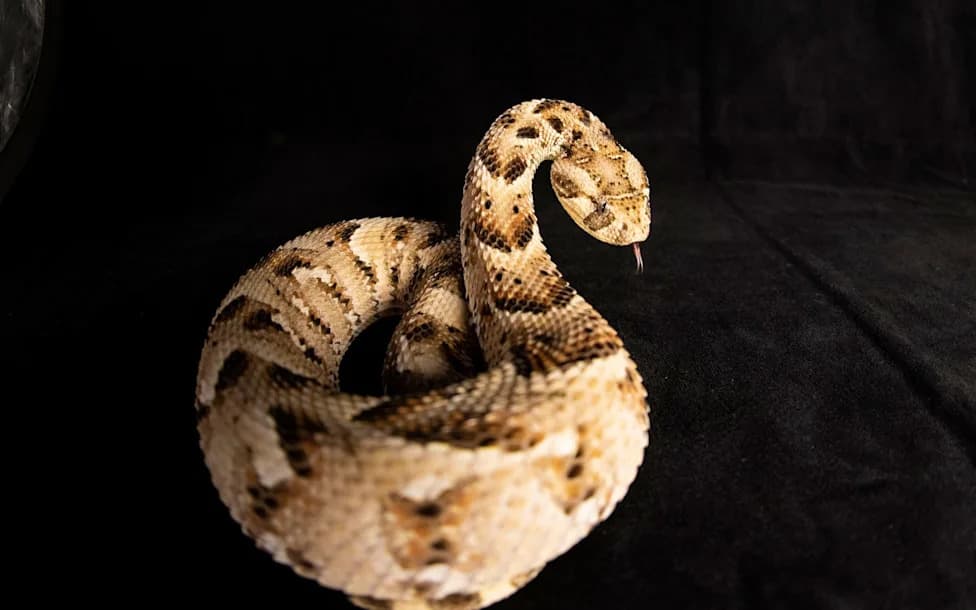
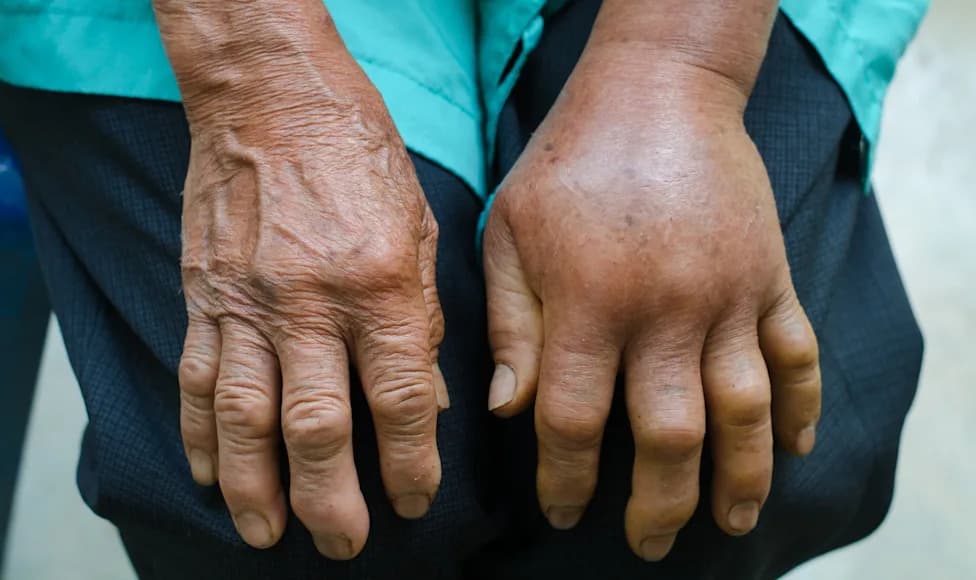
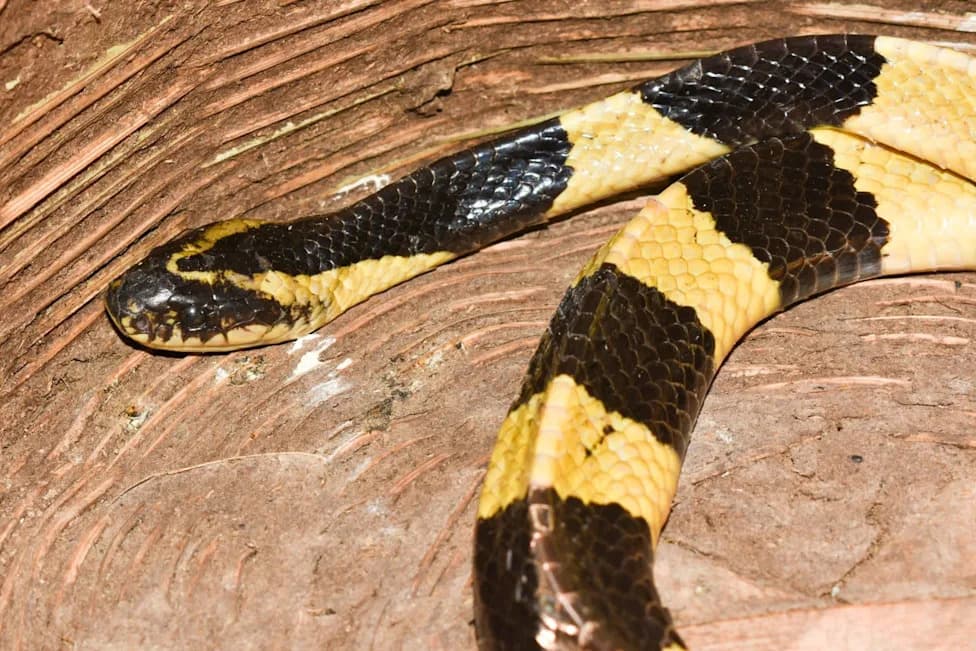
Tim Friede deliberately exposed himself to venom from more than 200 snake species over two decades and became a hyperimmune donor. Scientists at Centivax isolated broadly neutralizing human antibodies from his plasma and combined two antibodies with a toxin‑blocking drug to create an antivenom cocktail. In preclinical tests the cocktail fully protected mice against 13 species and partially protected six more; further trials in animals are planned, with human testing pending safety studies.
Man Who Voluntarily Exposed Himself to 200+ Venomous Snakes Helped Scientists Develop Broad Antivenom
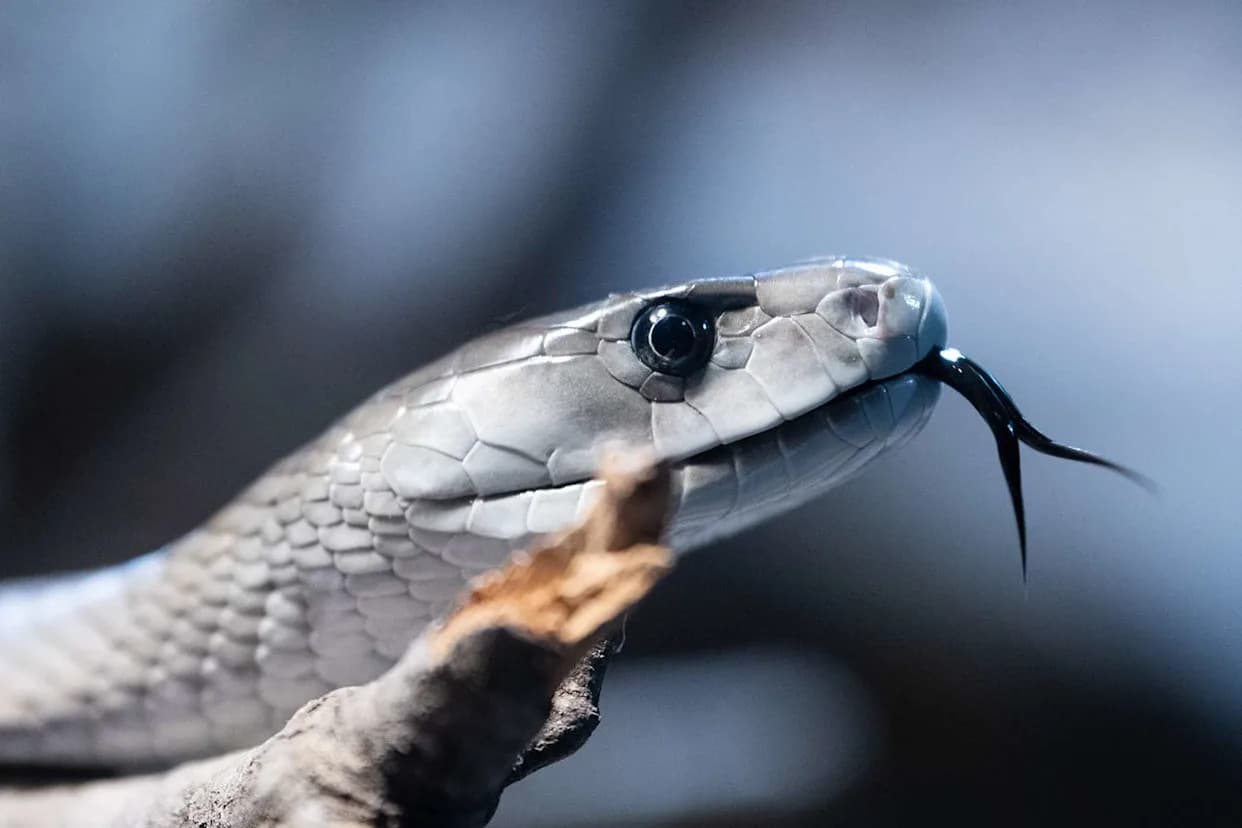
A black mamba (Dendroaspis polylepis) sticking out its forked tongue in 2024Credit: Marcos del Mazo/LightRocket via Getty
Tim Friede, an autodidact herpetologist and self-described venom specialist, spent roughly two decades deliberately exposing himself to venom from more than 200 snake species. He experimented with microdoses of venom he milked himself, then gradually increased doses and at times allowed direct bites. Researchers studying his blood found broadly neutralizing antibodies that helped create a promising antivenom cocktail.
How His Exposure Led to a New Antivenom Approach
After years of corresponding with scientists, Friede’s plasma attracted the attention of a research team led by Centivax. In a study published last year in the journal Cell, researchers described isolating potent antitoxin antibodies from his blood. Centivax CEO and lead author Jacob Glanville said Friede’s immune history was "once-in-a-lifetime unique," and that repeated, varied exposure may have focused his immune system on shared, conserved toxin targets.
The Experimental Cocktail
Researchers combined two antibodies isolated from Friede with a toxin-blocking small molecule to produce an antivenom cocktail. In preclinical tests, the formulation fully protected mice against 13 snake species and provided partial protection against six more. These early results suggest a path toward broader-spectrum antivenoms that could be effective against multiple medically important snakes.
“Not only did he potentially create these broadly neutralizing antibodies... but it could also give rise to a broad‑spectrum or universal antivenom,” said Jacob Glanville.
Risks and Next Steps
Friede’s experiments were dangerous. He told reporters he was placed in an intensive care unit after two cobra bites and was in a coma for four days. Despite developing immunity to many species — including black mambas, king cobras, and tiger snakes — scientists caution that self‑experimentation is hazardous and not a recommended or scalable strategy for antivenom production.

A king cobra moves through its enclosure at the reptile house in the Bronx Zoo.Credit: Andrew Lichtenstein/Corbis via Getty
Centivax plans further safety and efficacy testing. The next stage reported by the company involves controlled trials in Australia using dogs treated for snakebite injuries, with eventual goals of human clinical development if safety and effectiveness are established.
Why This Matters
Snakebite remains a significant global health problem. The World Health Organization estimates 81,000–137,000 deaths annually from snakebite, with many more survivors suffering amputations or permanent disabilities. Traditional antivenom production typically requires immunizing large mammals such as horses and harvesting their antibodies — a process that can be expensive, variable in quality, and difficult to scale, especially in low‑resource settings.
The discovery of broadly neutralizing human antibodies could lead to antivenoms that are more broadly effective, potentially safer, and easier to manufacture at scale. However, researchers emphasize that extensive clinical testing is required before any new treatment can be used in people.
Final Notes
Friede said he hopes his contribution will benefit humanity and science. Scientists view his case as a unique biological resource that may inform the design of next‑generation antivenoms — but they also stress caution: intentionally exposing oneself to venom is extremely dangerous and not a substitute for rigorous research and regulated clinical trials.
Help us improve.