
U.K. engineers in the STEP programme have developed removable magnet modules with plug‑and‑socket connectors and a bladder‑based cryogenic clamp to reduce shutdown times and lifetime costs for a fusion prototype targeted for 2040. The design aims to make magnet maintenance faster and more reliable, addressing a major operational bottleneck. While fusion could deliver abundant, low‑emission power, critics note high costs and technical risks, and analysts say renewables are currently cheaper to deploy.
U.K. Team Builds Remountable Magnets to Slash Fusion Maintenance Times
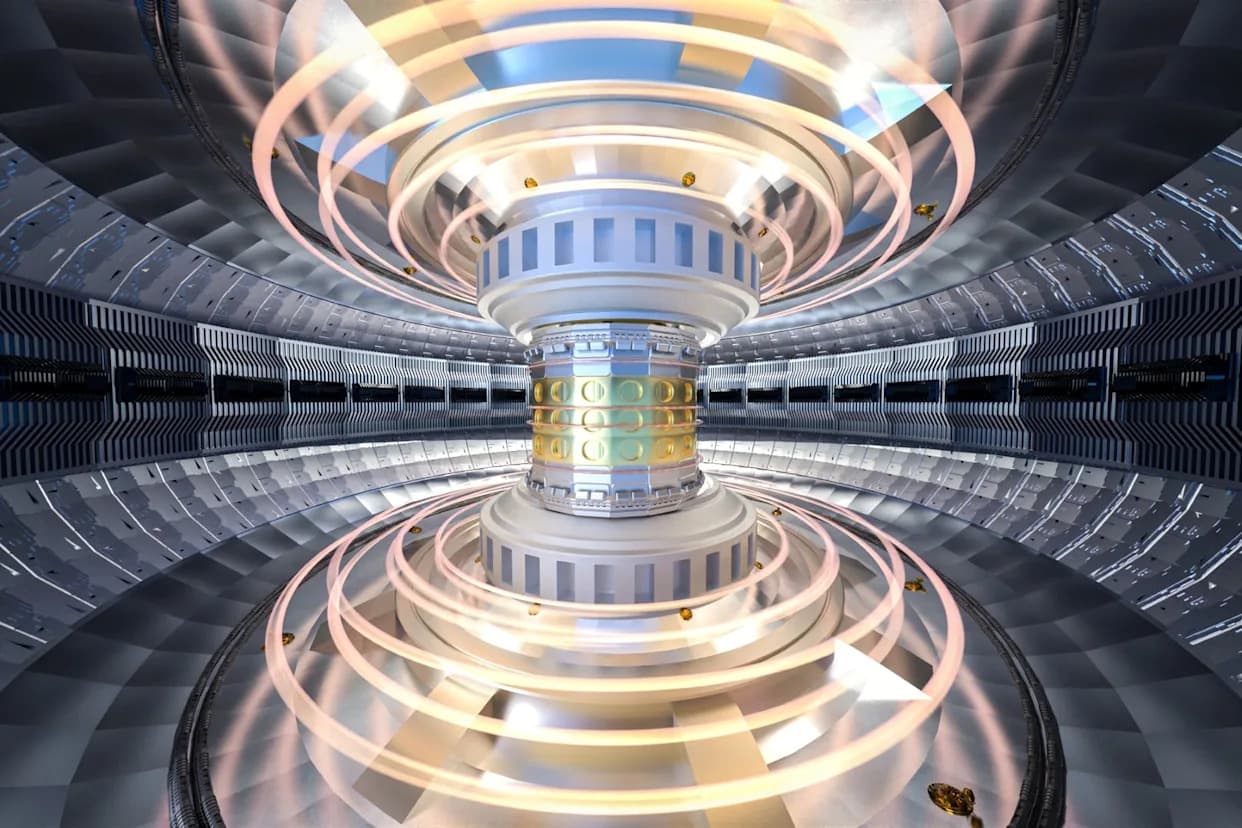
Photo Credit: iStock
A prototype nuclear fusion power plant in the United Kingdom is not expected until 2040, but engineers are already developing hardware to reduce maintenance downtime and lifetime operating costs.
The work is part of STEP (Spherical Tokamak for Energy Production), a programme led by U.K. Industrial Fusion Solutions that aims to deliver abundant electricity with minimal air pollution, reduced long‑lived waste, and low risk of catastrophic meltdown.
Remountable Magnets: A Practical Engineering Fix
STEP engineers identify magnet maintenance as a major bottleneck for commercial fusion. Their proposed solution is remountable magnet modules featuring plug‑and‑socket electrical connections that can be removed and replaced far more quickly than permanently fixed components. The approach is intended to shorten shutdown windows and reduce the lifetime costs of a prototype facility.
The assembly also uses a bladder‑based cryogenic clamp: a sealed bladder filled with liquid that expands as it freezes during cool‑down, applying even contact pressure across electrical interfaces at cryogenic temperatures. Joints and clamps have been tested under extreme environmental conditions to validate mechanical and electrical performance.
Aurobindo Siddarth Swaminathan, principal engineer for magnets at STEP: "What's notable is we've gone from a concept sketch to delivering and shipping a product for testing in one financial year."
Context And Challenges
Maintaining stable fusion reactions in magnetised tokamak chambers—where plasma can reach temperatures hotter than the Sun's core—remains the central technical challenge. Achieving net energy gain (producing more energy than the device consumes) is essential for commercial viability.
If realised, a working fusion prototype could help meet rising electricity demand driven in part by power‑hungry data centres and other sectors. However, fusion projects such as STEP are expensive—often described as costing tens of billions of dollars—and carry significant technical and financial risk (the BBC highlighted these hurdles in 2022).
Critics point to waste management, security concerns, and high capital costs; organisations such as the Union of Concerned Scientists have raised such issues. Financial advisers including Lazard reported in 2025 that solar and wind are currently cheaper and faster to deploy at scale. Proponents counter that nuclear waste is typically contained (for example, in ceramic pellets) and that fusion could eventually offer low‑emission baseload power if its technical barriers are overcome.
STEP's remountable magnets are progressing through additional testing and patent preparation as the programme advances toward its 2040 prototype target.
Help us improve.





















