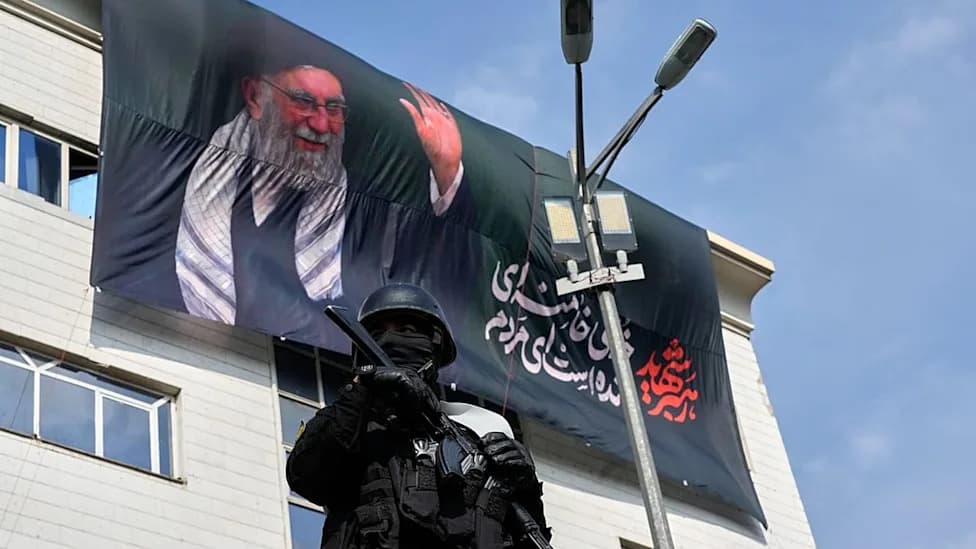
Bahrain has detained more than 200 people since February 28 in a security sweep that rights groups say has disproportionately affected the Shia community after demonstrations and social-media expressions of support for Iran. Detainees face charges ranging from espionage and treason to glorifying attacks, while authorities deny sectarian bias and promise due process. The death in custody of activist Mohamed Almosawi has intensified calls for an independent probe. Observers warn the crackdown risks reigniting the sectarian fault lines exposed during Bahrain's 2011 unrest.
Bahrain Intensifies Crackdown On Shia Dissent Amid Regional Conflict
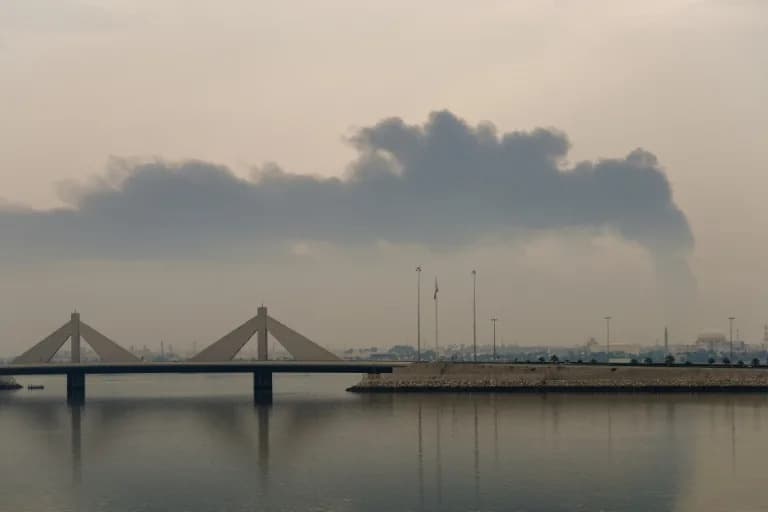
Iran has retaliated against US and Israeli strikes with attacks on Israel and its Gulf neighbours (Fadhel MADHAN)(Fadhel MADHAN/AFP/AFP)
Bahrain has launched a broad security operation that rights groups say has largely targeted members of the kingdom's Shia community after some residents expressed support for Iran and celebrated attacks on US bases, activists told AFP.
What Happened
Since the outbreak of the regional conflict on February 28, Bahraini authorities have detained more than 200 people, the Britain-based Bahrain Institute for Rights and Democracy (BIRD) and the Al Amal Center for Human Rights and Justice told AFP. Activists say the majority of those detained are Shia and face a range of charges.
Arrests, Charges And Allegations
Authorities have accused detainees of offences including espionage, treason, protesting, spreading footage of attacks, or publicly glorifying Iran's operations. Some arrests reportedly followed small demonstrations or social media posts expressing sympathy with Iran or celebrating strikes on US military facilities in the region.
"There is widespread resentment, fear and terror in Bahrain, especially among Shias, who now feel targeted," said Naji Fateel, a Bahraini human rights defender whose son was arrested this month.
Fateel said his son, Hussein, and another man were arrested after filming themselves marching toward the US embassy in Manama while carrying a photo of a slain Iranian figure to protest that death; authorities later charged Hussein with allegations that included collaborating with the enemy and treason, his father said.
Authorities' Response
A government spokesperson told AFP that "all persons are subject to equal treatment, without regard to personal characteristics, gender, or religious background" and insisted that those charged are "entitled to a fair trial and afforded due process." Rights groups, however, report difficulties accessing detainees and say families have faced delays and uncertainty locating relatives held after social media posts or small protests.
Human Rights Concerns
Activists have raised alarm over the reported death in custody of 32-year-old Shia activist Mohamed Almosawi, who was arrested days earlier; BIRD called for an independent investigation after his funeral drew large crowds. Lawyers and relatives told AFP they encountered obstacles reaching some detainees, and some families reported prolonged uncertainty about loved ones' whereabouts.
Regional Context And Risks
The arrests occur as Gulf states, including Qatar, Kuwait and the UAE, also move against networks they describe as Iran-related amid wider regional strikes and tensions. Observers warn that Bahrain’s long-standing marginalisation of its Shia population — and memories of the 2011 protests that demanded an elected government — increase the risk that this crackdown could rekindle sectarian grievances.
Analysts say the combination of regional conflict and a heavy-handed domestic response could reopen old wounds in Bahrain, intensifying social fractures and prompting further unrest or online sectarian targeting. Pro-government online campaigns and threats against activists have already been reported, according to local defenders.
Outlook
While large-scale unrest appears unlikely in the immediate term, human rights groups and regional analysts caution that continued arrests without transparent legal process, and the perception that one community is being singled out, could fuel longer-term instability and deepen sectarian tensions.
Help us improve.