At CPAC, the Iran conflict has split conservatives between hawks who back President Trump’s harder line and skeptics worried about a prolonged U.S. engagement. Organizers allowed open debate, showcasing voices from exiled Iranians to antiwar conservatives like Steve Bannon and Matt Gaetz. Polling shows broad GOP support overall but heightened skepticism among younger Republicans, creating tensions within Trump’s coalition ahead of the midterms.
Iran Conflict Splits CPAC, Exposes Deep Rifts in the GOP
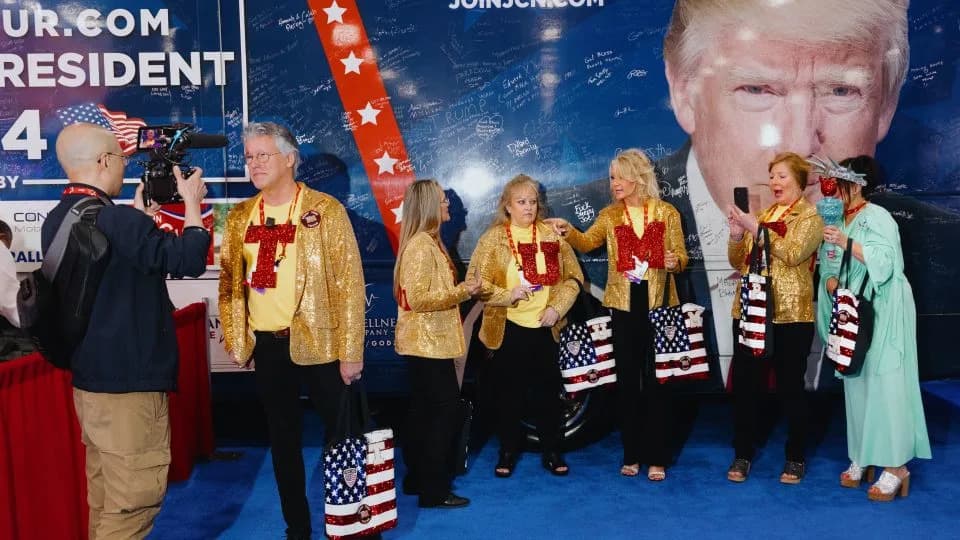
Members of the Trump Tribe of Texas, including Blake Zummo, center, during the Conservative Political Action Conference (CPAC) in Grapevine, Texas, US, on Wednesday. - Shelby Tauber/Bloomberg/Getty Images
As the daughter of an American oilfield worker who lived in Iran in the 1970s, Blake Zummo recalls streets that frequently erupted into violence in the years before the Iranian revolution. Now 62 and living in Texas, Zummo is among those who say President Trump’s tougher posture toward Iran is justified.
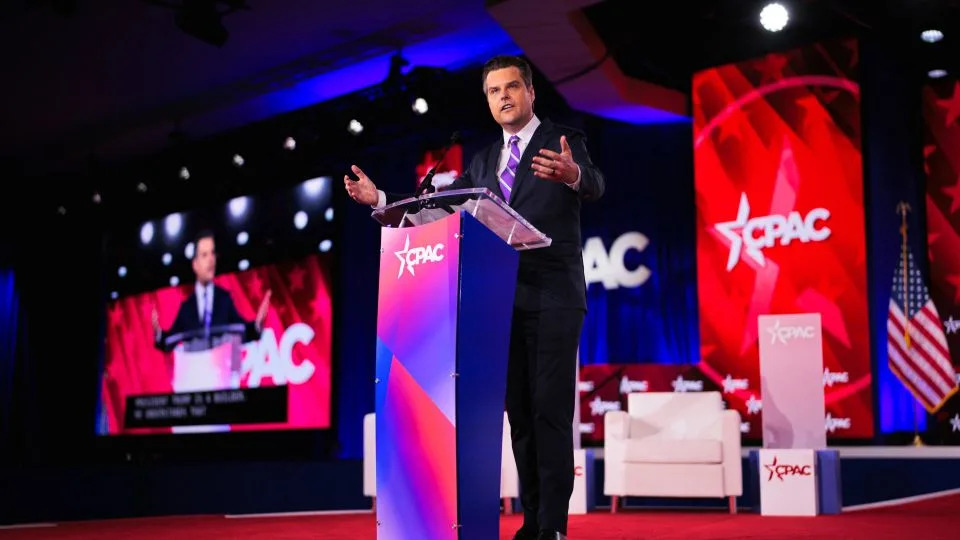
Former Rep. Matt Gaetz attends the 2026 Conservative Political Action Conference (CPAC) in Grapevine, Texas, on March 26, 2026. - Daniel Cole/Reuters
CPAC opened amid a growing dispute within the Republican Party over the administration's actions in the Middle East. The split — visible on stage, across the convention floor and online — underlines tensions in Trump’s coalition as Republicans prepare for the fall midterms.
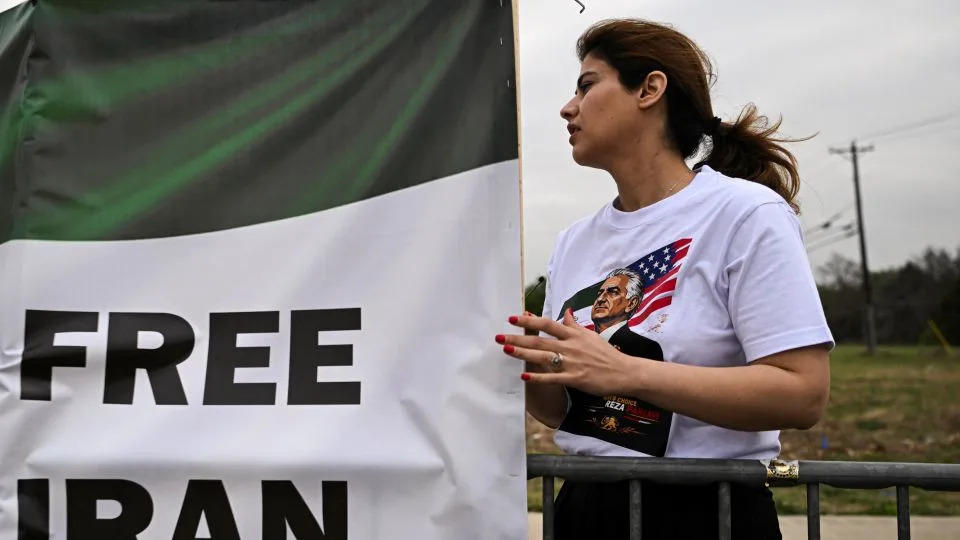
A woman wearing a t-shirt depicting Reza Pahlavi, the exiled son of Iran's last shah, stands by a banner as Trump supporters set up a demonstration on the day of the 2026 Conservative Political Action Conference (CPAC). - Callaghan O'Hare/Reuters
Open Debate at CPAC
CPAC chairman Matt Schlapp said he would not censor speakers and expected the conference to reflect the debate. The program included a panel titled "MAGA vs. Mullah Madness" featuring victims of the Iranian regime, while Reza Pahlavi, son of Iran’s former shah and a supporter of Trump's military campaign, was scheduled to speak. Organizers also promoted CPAC for Iranians In Exile, a group created to mobilize the diaspora.
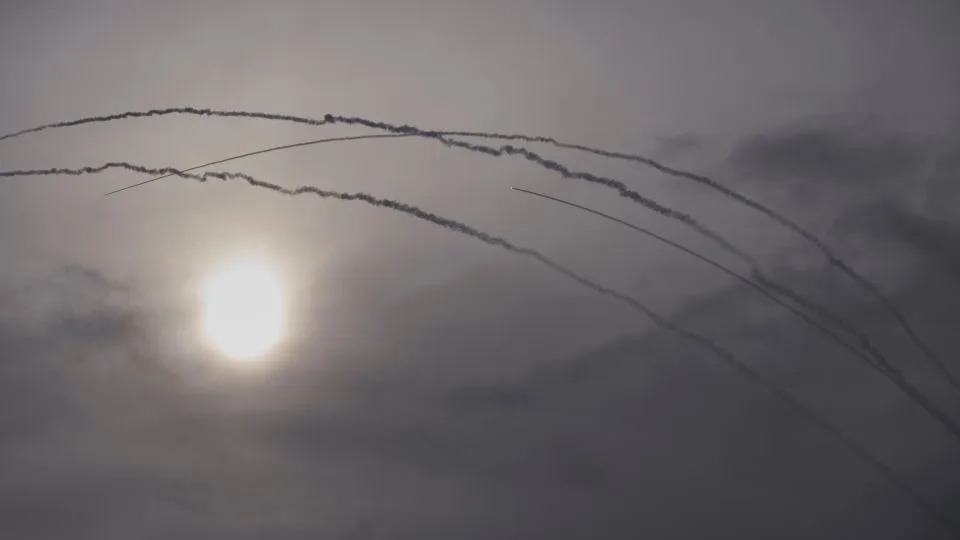
Israeli Iron Dome air defense system fires to intercept missiles from Iran over Tel Aviv, Israel, Thursday, March 26, 2026. - Ohad Zwigenberg/AP
At the same time, prominent voices at the event — including Steve Bannon, Matt Gaetz and Erik Prince — warned against an open-ended ground invasion of Iran. On his podcast, Bannon warned the confrontation could get "really, really, really ugly" and criticized commentators who he said have "no skin in the game." Gaetz told attendees a ground invasion would harm American families by driving up gas and food prices and could make the United States less safe.
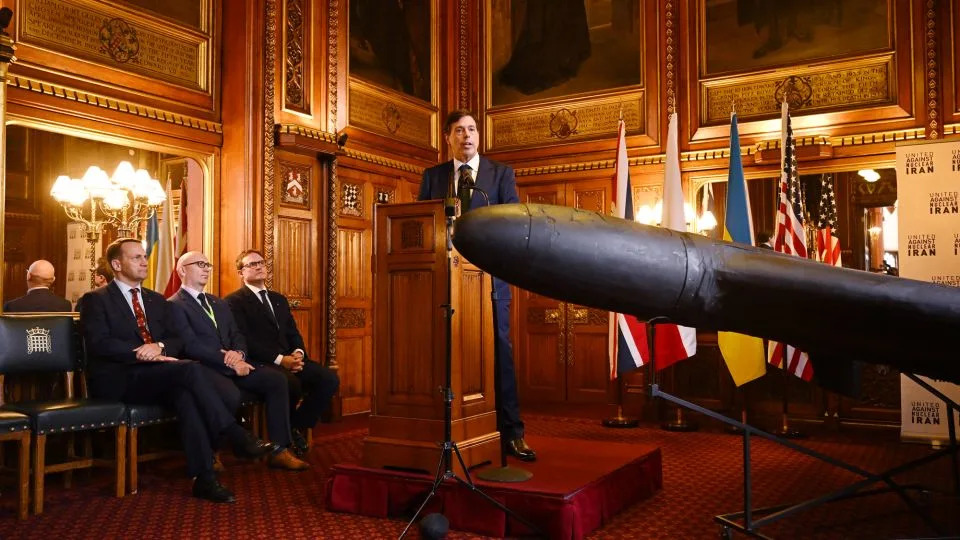
Mark D. Wallace, CEO of United Against Nuclear Iran, speaks before a downed Iranian-made Shahed-136 attack drone as it's unveiled at the Houses of Parliament on October 14, 2025 in London, England. - Leon Neal/Getty Images
"Anybody telling you otherwise, all these people going on Fox blowing smoke, they ain’t out on that front line, and they ain’t got kids out there either. They have no skin in the game. Zero." — Steve Bannon
Generational And Coalition Tensions
A recent CBS News/YouGov poll found strong overall Republican support for Trump’s military actions, with self-identified MAGA supporters more supportive (92%) than non-MAGA Republicans (70%). Yet Trump’s 2024 coalition also included younger voters, minorities and previously disengaged white men — groups that now show more skepticism about an extended U.S. engagement and about Israel’s role in the conflict.
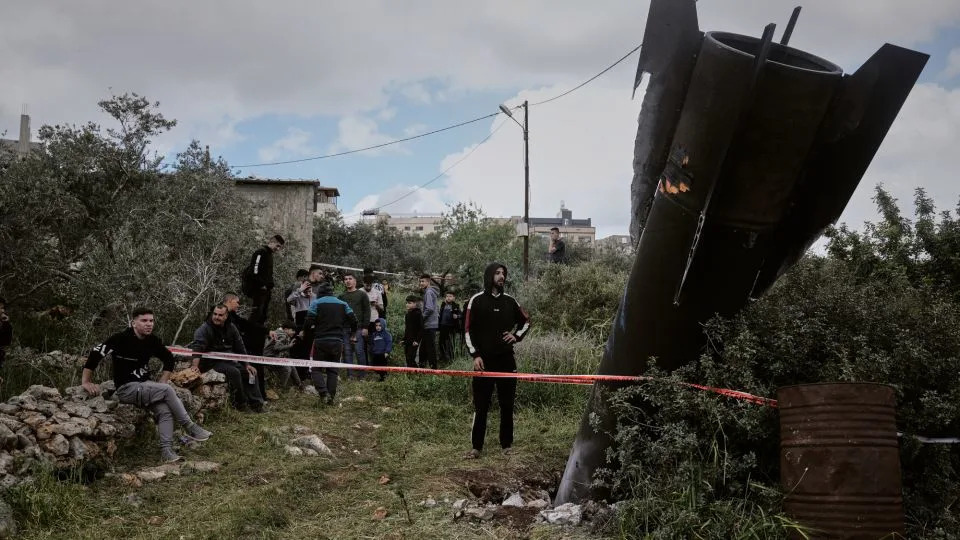
Palestinians gather around the wreckage of an Iranian missile that landed in the West Bank village of Kifl Haris Tuesday, March 24, 2026. - Majdi Mohammed/AP
Conservative pollster Richard Baris said younger Republicans are increasingly skeptical of Israel and resentful that U.S. policy appears to favor Israeli priorities over their economic concerns. That sentiment was echoed by younger CPAC attendees such as 18-year-old Alexander Selby, who said he feels disillusioned by Trump’s departure from a campaign promise of "no new wars."
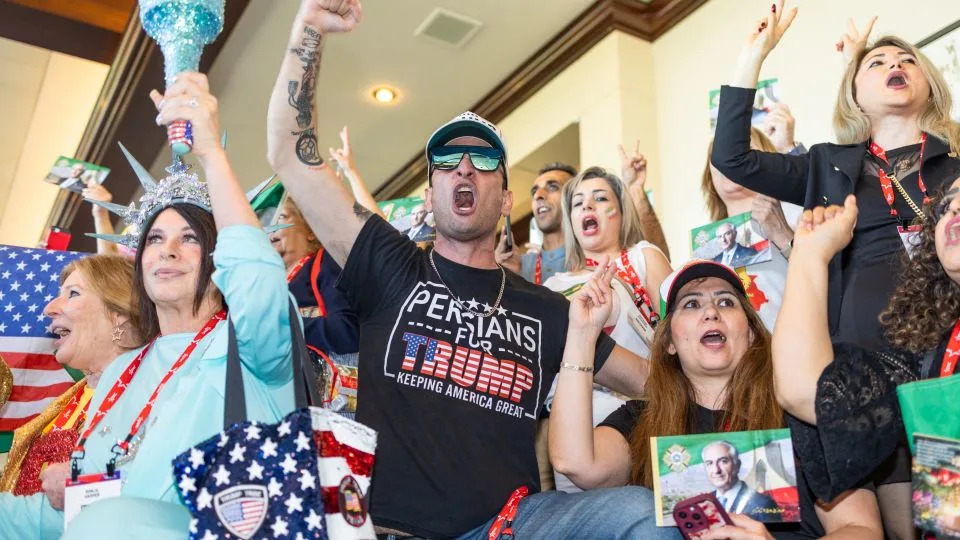
Attendees chant slogans in support of the Iranian opposition and thank US President Donald Trump during the Conservative Political Action Conference (CPAC) at the Gaylord Texan Resort and Convention Center in Grapevine, Texas, on March 26, 2026. - Leandro Lozada/AFP/Getty Images
Historic Hawkish Tradition — And A New Test
CPAC has long been a venue for hawkish conservatives to pledge toughness toward Tehran; GOP figures from John McCain to Marco Rubio have used the platform to underscore their credentials on Iran. With hostilities now underway, the prospect of prolonged U.S. involvement is no longer theoretical and must be reconciled with a sizable noninterventionist wing of the movement.
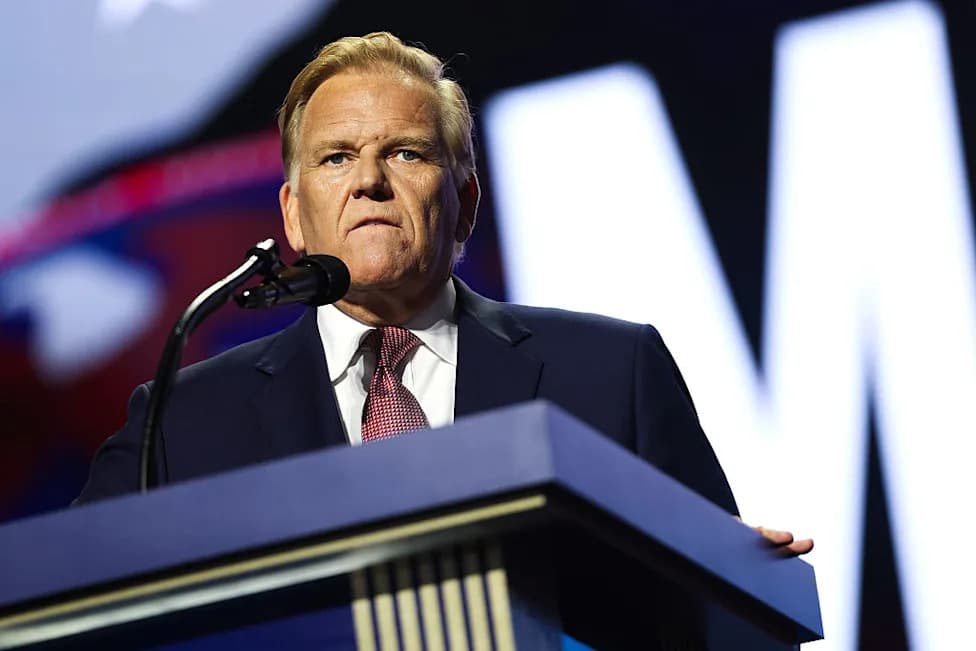
Mark Wallace, CEO of United Against Nuclear Iran, acknowledged the challenge of persuading skeptics but argued the action meets historic tests applied after Vietnam and Iraq, and that neutralizing Iran’s threat would enhance U.S. and regional security.
Dozens of attendees joined exiled Iranians chanting for regime change and praising Trump’s approach — among them Zummo, who said the policy was "putting America first." The debate at CPAC underscores a broader question for Republicans: how to hold together a coalition with divergent views on security, foreign policy and priorities at home.
What’s next: The divisions are likely to intensify as the midterms approach, shaping both Republican messaging and internal party dynamics.
Help us improve.