The 1997 “Bloop” was a very low-frequency, extremely loud underwater signal recorded by NOAA hydrophones across more than 3,000 miles. Acoustic analysis linked the sound to ice-related events—large iceberg calving and icequakes—rather than to any unknown animal. The episode underscores how melting, unstable polar ice can create louder, more frequent ocean noise, which a 2021 study calls a form of pollution that may harm marine life. Other odd signals have since been traced to whales, but some acoustic mysteries remain unsolved.
What Made the “Bloop”? The True Story Behind the 1997 Undersea Mystery
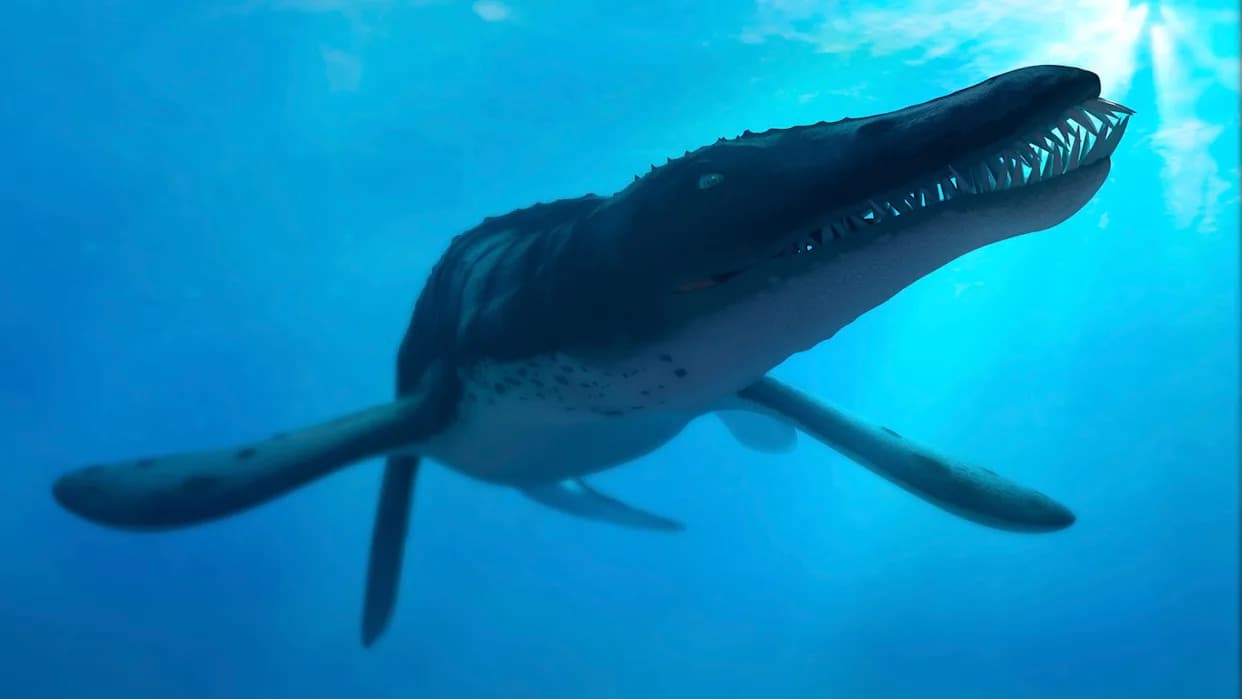
Could the source of a mysterious "bloop" sound be an unknown sea creature?
In 1997, the U.S. National Oceanic and Atmospheric Administration (NOAA) recorded an extraordinary low-frequency sound in the remote South Pacific that reverberated across more than 3,000 miles of ocean. Nicknamed the Bloop after a 16x time-accelerated playback that produced a single, distinctive “bloop” tone audible to humans, the recording sparked intense curiosity and wide public speculation.
The Mysterious Signal
The sound rose and fell over roughly one minute and showed rapid changes in frequency—features sometimes associated with animal vocalizations. Yet the Bloop’s amplitude far exceeded the loudest known animal call (the blue whale), which can be heard roughly 1,000 miles away. Because the Bloop propagated to well over three times that distance, scientists initially debated whether it could be biological or geophysical in origin.
Ice, Not Monsters
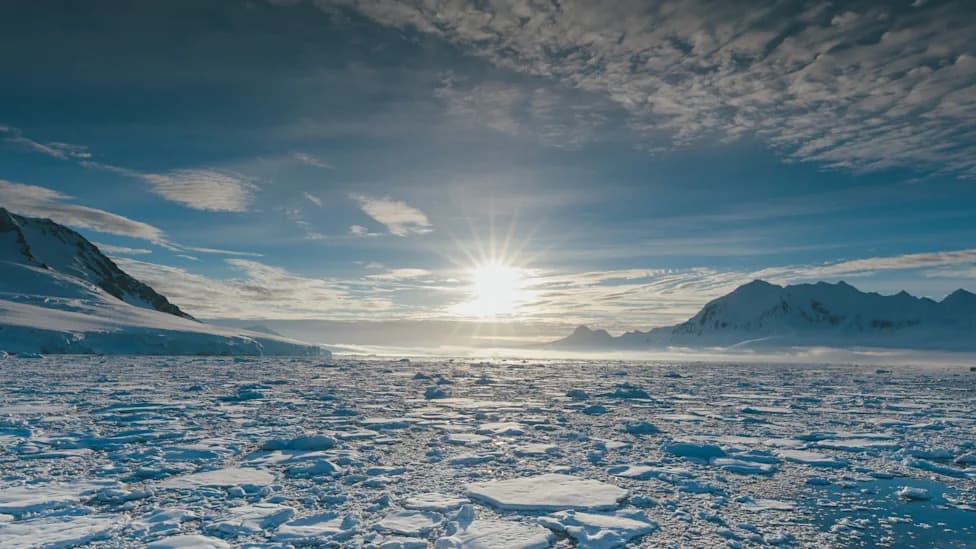
NOAA researchers ultimately concluded that the most plausible explanation was cryoseismic activity—large icebergs and glacial calving events that create powerful underwater noises when ice fractures, scrapes the seafloor, or collides with other ice. Comparing the Bloop’s spectrum with known ice-generated sounds from the same region in 1997 supported this conclusion: the broad frequency content and temporal pattern were consistent with large icequakes.
“The broad spectrum sounds recorded in the summer of 1997 are consistent with icequakes generated by large icebergs as they crack and fracture,” NOAA reported, applying the same explanation to other south-Pacific recordings such as the humanlike “Julia.”
How Myth Outpaced Evidence
Despite the scientific explanation, early media coverage and cryptozoology enthusiasts embraced the more dramatic possibility of an unknown sea creature—fueling stories of giant squids and leviathans. Cryptozoology, which rarely adheres to rigorous scientific standards, amplified speculation and popular imagery, turning the Bloop into a modern ocean legend.
Why the Bloop Still Matters
Beyond the mystery, the Bloop highlights a growing environmental concern: as the climate warms and polar ice becomes less stable, ice-generated noise is expected to increase. A 2021 study of marine noise in the Southern Ocean described such sounds as “a form of ocean pollution that may affect fauna ranging from tiny zooplankton to enormous whales.” Many marine species rely on sound for navigation, communication and hunting; rising background noise can disrupt these behaviours and harm ecosystem health.
Other Strange Ocean Sounds
Not all unexplained noises turn out to be geological. Some odd calls have later been traced to whales: the decades-old “Bio-Duck” was identified as produced by minke whales in 2014, and the Western Pacific “Biotwang” was linked to Bryde’s whales that same year. Other puzzles remain, such as the unusual 52-hertz calls recorded in the North Pacific; without visual confirmation, scientists cannot yet determine whether those signals come from atypical individuals or something else.
Conclusion
The Bloop’s true source—powerful icequakes—didn’t make for as sensational a headline as a giant sea monster, but it offered a more important lesson: careful listening to the ocean is a vital scientific tool. Acoustic monitoring reveals not only mysteries, but also early warnings about environmental change in fragile polar regions.
Help us improve.