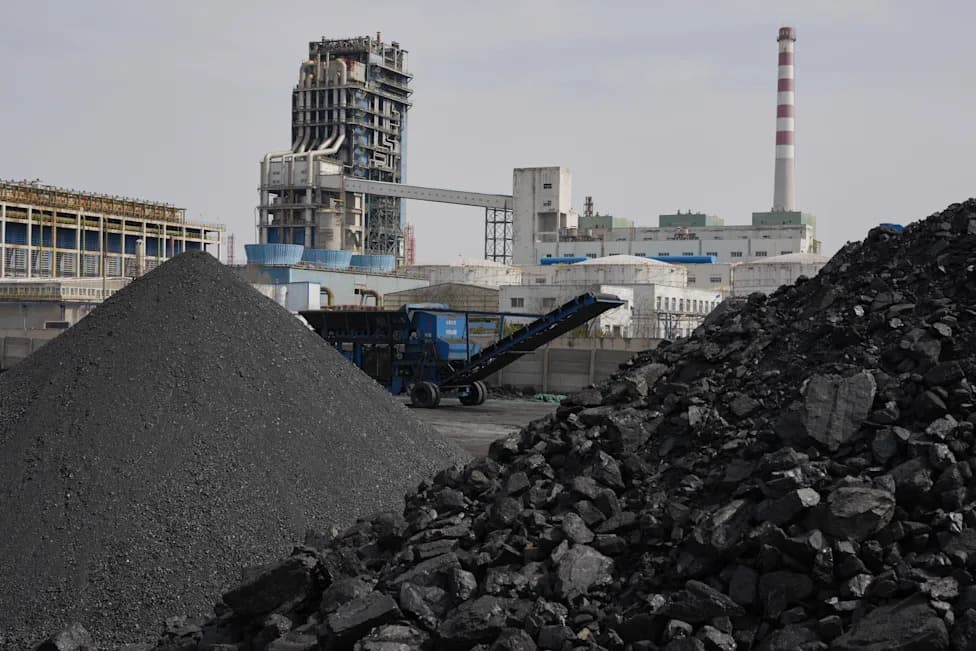
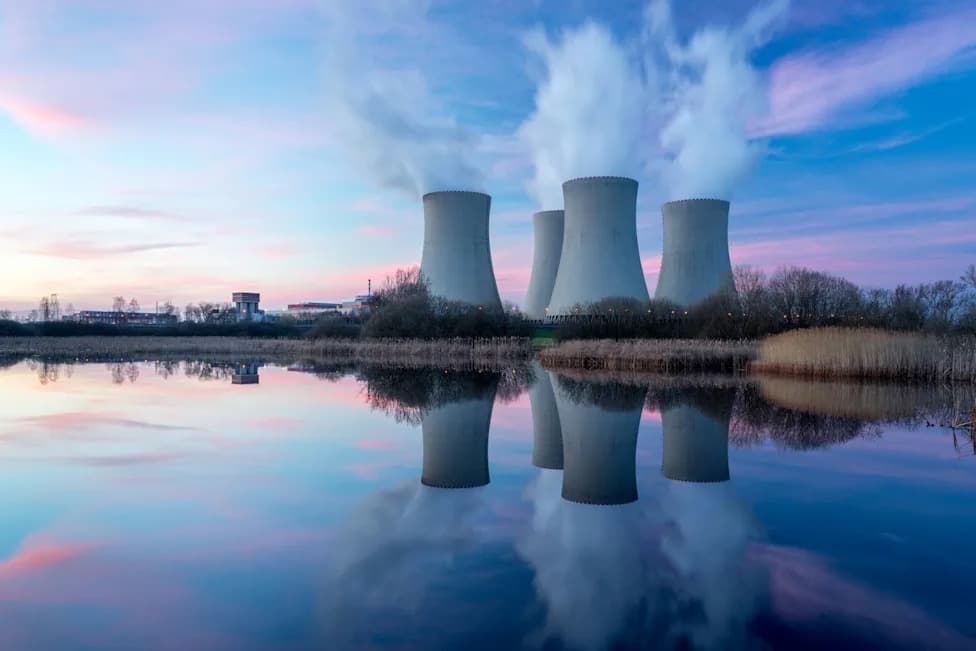
Southeast Asian nations are reviving nuclear energy plans to meet surging electricity demand driven by AI-focused data centers and to reduce reliance on volatile oil and gas supplies exposed by Middle East conflict. Several countries — including Vietnam, Indonesia, Malaysia, Thailand and the Philippines — have set targets ranging from 2031 to the mid-2030s and are exploring international partnerships. While nuclear could bolster energy security and decarbonization, experts warn of high upfront costs, waste and safety risks and urge careful, transparent planning alongside renewable options.
Southeast Asia Reconsiders Nuclear Power to Fuel AI Data Center Boom Amid Middle East Turmoil
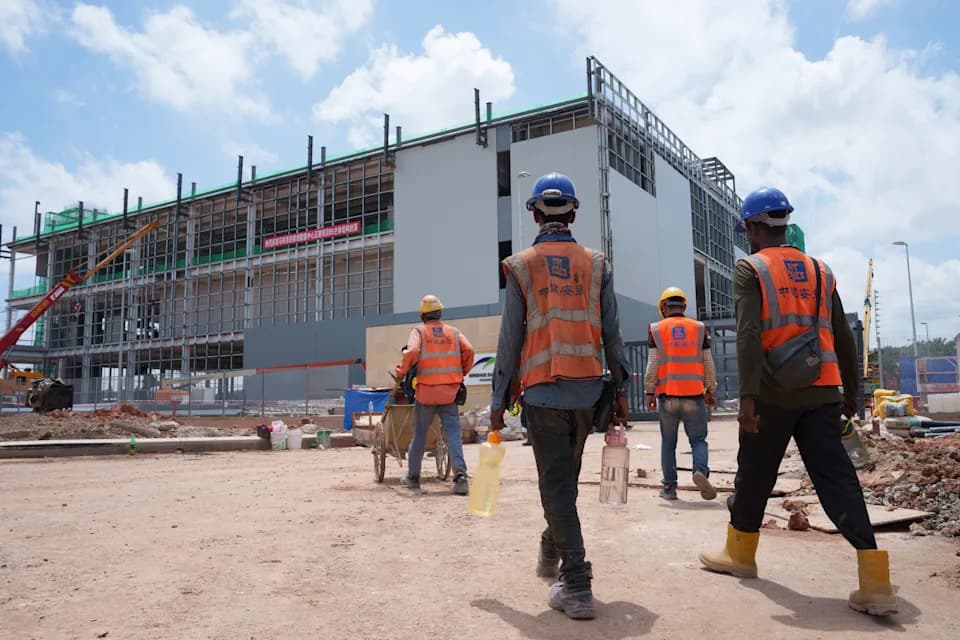
FILE -Construction workers walk to a data center building under construction in Sedenak Tech Park in Johor state of Malaysia, Sept. 27, 2024. (AP Photo/Vincent Thian, File)(ASSOCIATED PRESS)
Countries across Southeast Asia are giving nuclear energy a renewed look as they race to meet surging electricity demand from artificial intelligence-focused data centers and to reduce dependence on volatile oil and gas supplies exposed by recent conflict in the Middle East. Governments are reviving shelved atomic programs, setting firm targets and courting international partners as they weigh the trade-offs between energy security, decarbonization and safety.
Regional Momentum And National Plans
Several nations in the region have announced or accelerated plans to develop nuclear power. Vietnam is moving forward with two plants backed by Russia’s Rosatom, calling them "nationally significant, strategic projects" after revising its atomic energy law. Indonesia added nuclear to its new energy blueprint and aims to deploy two small modular reactors (SMRs) by 2034, citing cooperation offers from Canada, Russia and others.
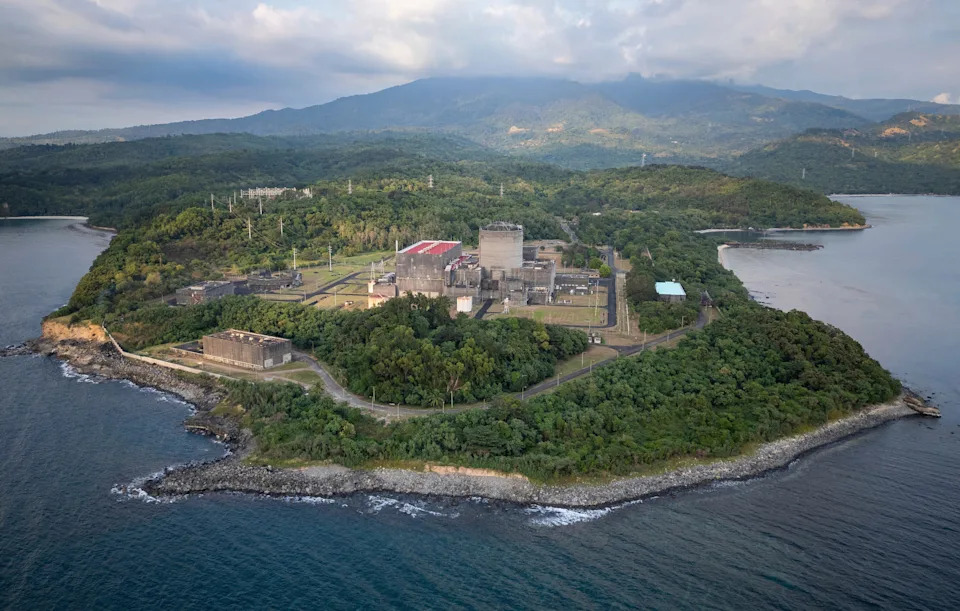
FILE -This aerial view, taken Jan. 19, 2025, shows the Bataan Nuclear Power Plant in the Philippines, which has never produced a single watt of energy. (AP Photo/Anton L. Delgado, File)(ASSOCIATED PRESS)
Thailand set a target to add about 600 megawatts of nuclear capacity by 2037, while the Philippines — which built a never-commissioned plant decades ago — launched a new atomic regulatory authority and approved a roadmap that targets initial deployment around 2032. Malaysia revived its nuclear program and has set an early target of 2031 as it positions itself as a potential AI computing hub.
AI Data Centers Driving Demand
Rapid expansion of energy-intensive AI data centers is a major driver of demand. The International Energy Agency (IEA) notes that a typical AI data center can consume as much power as roughly 100,000 households. Think tank Ember estimates there are more than 2,000 data centers across Indonesia, Malaysia, Singapore, Thailand, Vietnam and the Philippines, with hundreds more under construction or planned — particularly in Malaysia, which has attracted interest from major tech firms.
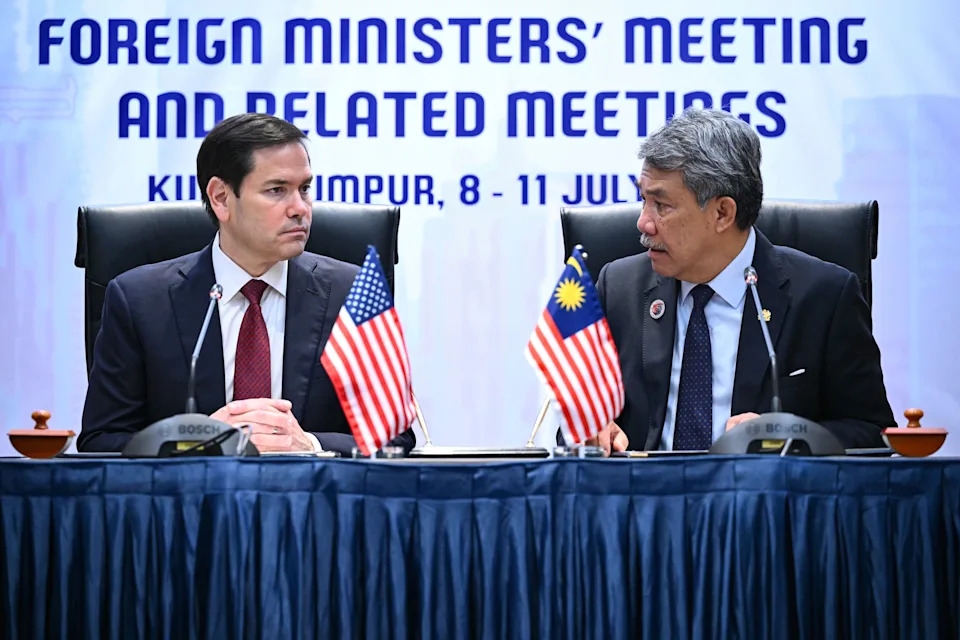
FILE -US Secretary of State Marco Rubio, left, takes part in a memorandum of understanding signing with Malaysia's Minister of Foreign Affairs Mohamad Hasan during the 58th Association of Southeast Asian Nations (ASEAN) Foreign Ministers' meeting and related meetings at the Convention Centre in Kuala Lumpur, July 10, 2025. (Mandel Ngan/Pool Photo via AP, File)(ASSOCIATED PRESS)
Global Context And Cooperation
The regional push mirrors a broader international effort to expand nuclear capacity. Industry groups say nearly 40 countries are part of initiatives to significantly increase nuclear generation by mid-century, with newcomer nations expected to contribute a substantial share of that growth. The World Nuclear Association projects that global nuclear capacity could more than triple by 2050 if governments meet their targets.
The United States has signaled support for civil nuclear cooperation in the region; U.S. officials note agreements and diplomatic engagement intended to broaden options for safe, reliable nuclear projects. Meanwhile, Russia remains an active supplier and partner for several Asian projects.
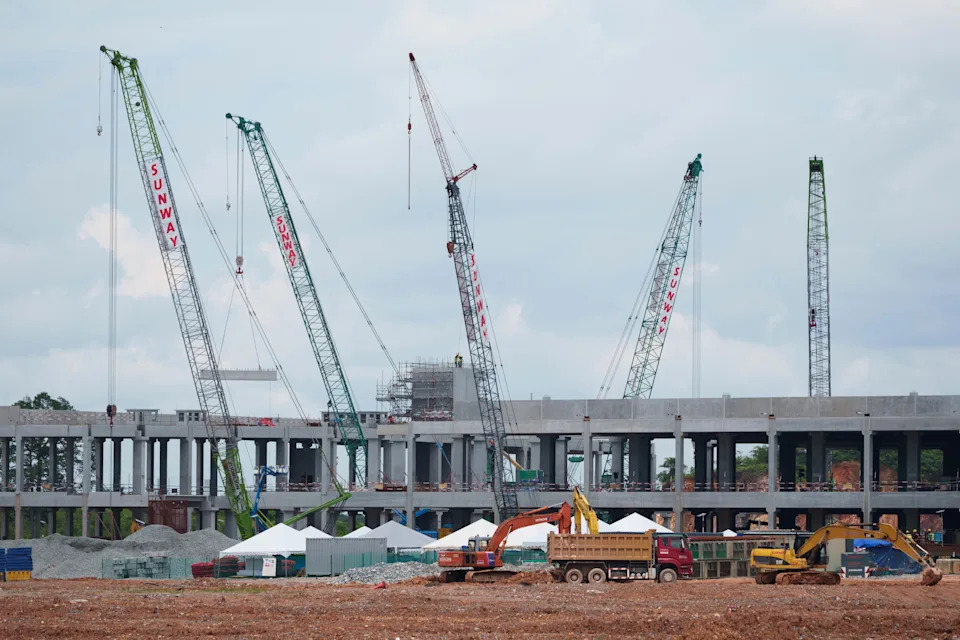
FILE -A data center building is seen under construction in Sedenak Tech Park in Johor state of Malaysia, Sept. 27, 2024. (AP Photo/Vincent Thian, File)(ASSOCIATED PRESS)
Risks, Costs And Public Concerns
Despite potential benefits for energy security and emissions reduction, nuclear power presents unresolved challenges: high upfront costs, long lead times, radioactive waste management and public opposition shaped by historic accidents such as Chernobyl (1986) and Fukushima (2011). Experts urge careful, transparent planning and comparison with alternatives such as renewables and storage.
"We are not anticipating that nuclear electricity will be cheap at the onset," said Alvie Asuncion-Astronomo of the Philippine Nuclear Research Institute, adding that over the long term nuclear could improve energy reliability, independence and costs.
Southeast Asian countries without current projects are also exploring options: Cambodia’s strategy signals openness, Singapore is studying its atomic potential, and Brunei has told the IAEA it is "carefully exploring" nuclear energy.
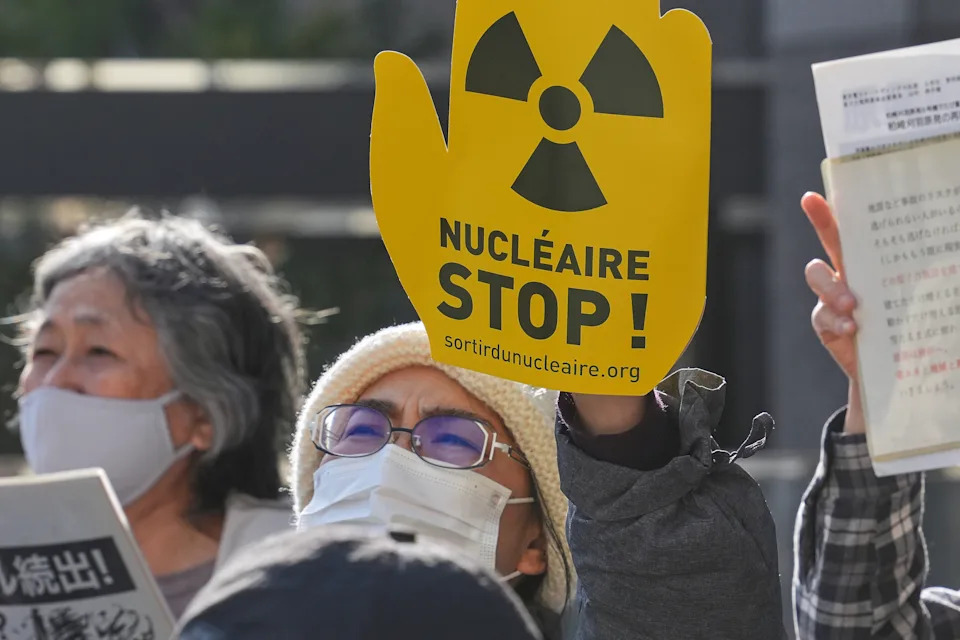
FILE -Protesters hold a sign during a rally against the restart of the No. 6 reactor at the Kashiwazaki-Kariwa nuclear power plant, in front of Tokyo Electric Power Company Holdings (TEPCO) headquarters in Tokyo, Jan. 19, 2026. (AP Photo/Eugene Hoshiko, File)(ASSOCIATED PRESS)
Outlook
As demand from AI and digital industries grows, Southeast Asia faces a complex energy choice. Nuclear offers a low-carbon, baseload option that could enhance energy security, but requires rigorous safety frameworks, long-term planning and public engagement. Policymakers and investors will need to balance speed with caution as the region decides whether and how to integrate nuclear into its energy mix.
— Associated Press reporting. The AP maintains editorial control of its content. For more on the AP’s funding and standards, visit AP.org.
Help us improve.