The Supreme Court unanimously ruled that Cox Communications cannot be held liable for subscribers' music piracy unless the company intended its service to be used for infringement. Justice Clarence Thomas wrote the majority opinion, noting Cox took steps such as warnings, suspensions and account terminations. Justices Sotomayor and Ketanji Brown Jackson concurred in the judgment but disagreed with the majority's reasoning. The case narrows when internet service providers can be held secondarily liable for users' infringement and may affect future copyright enforcement against online intermediaries.
Supreme Court Rules for Cox: ISPs Aren't Automatically Liable for Subscribers' Pirated Music
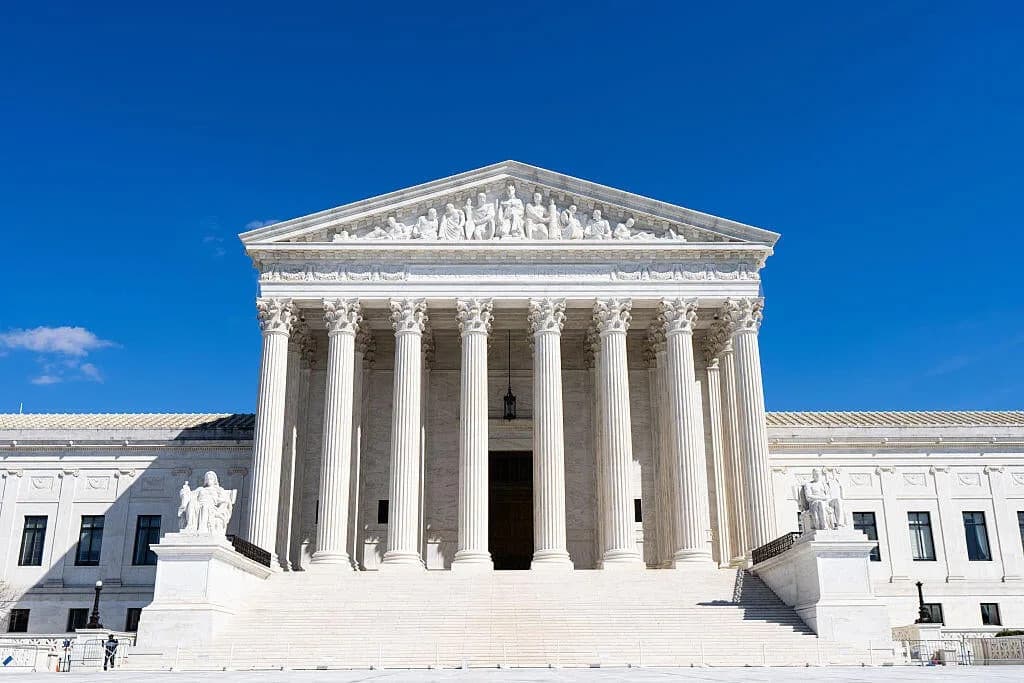
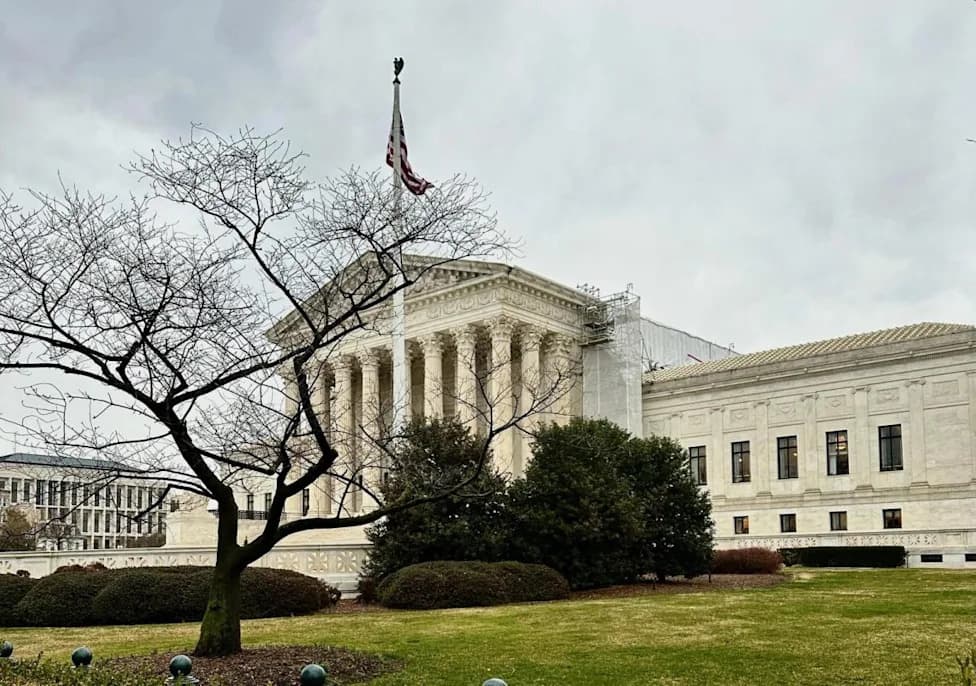
Washington — The Supreme Court on Wednesday unanimously ruled that internet service provider Cox Communications cannot be held liable for copyright infringement committed by its subscribers unless the company intended its service to be used for infringement.
Court's Ruling and Legal Reasoning
In Cox Communications, Inc. v. Sony Music Entertainment, the justices reversed a portion of a Fourth Circuit ruling that had found Cox contributorily liable for users' piracy. Writing for the majority, Justice Clarence Thomas said a service provider is responsible for users’ infringement "only if it intended that the provided service be used for infringement." He emphasized that treating failure to cut off infringing accounts as sufficient for secondary liability would expand copyright law beyond established precedent.
Facts of the Case
The suit, filed in 2018 by Sony and other major music companies, alleged that Cox knowingly tolerated subscribers who downloaded and distributed more than 10,000 copyrighted works without permission. A jury initially sided with the music companies and awarded $1 billion in damages; the Fourth Circuit later vacated that damages award and ordered a new damages trial while upholding parts of the verdict.
What Cox Did—and Didn’t—Do
Justice Thomas noted that Cox took steps to deter infringement, including issuing warnings to subscribers, suspending service, and terminating accounts. "Cox did not tailor its service to make copyright infringement easier," he wrote, adding that Cox provided internet access used for many lawful purposes.
Concurring View And Outside Support
Although Justices Sonia Sotomayor and Ketanji Brown Jackson agreed with the judgment, they wrote separately to reject the majority’s reasoning. In a concurrence joined by Justice Jackson, Justice Sotomayor wrote that the plaintiffs failed to show Cox had the necessary intent to be liable under a common-law aiding-and-abetting theory.
The case drew amici support, including backing from the Trump administration, which argued ISPs should not be treated as directly responsible for subscribers’ infringing actions simply for failing to disconnect them.
Reactions
Cox hailed the decision as a "decisive victory for the broadband industry," saying it reaffirms that ISPs are not "copyright police." The Recording Industry Association of America—whose CEO Mitch Glazier expressed disappointment—called the ruling narrow and urged policymakers to consider its implications for creators and markets.
Implications
The ruling narrows the circumstances under which an ISP can be held secondarily liable for users’ infringing activity, focusing liability on the provider’s intent and affirmative steps to facilitate infringement. The decision is likely to shape future disputes over how copyright law applies to online intermediaries and the balance between enforcement and open internet access.
Help us improve.