The Gulf Cooperation Council and allied Gulf states told the UN Human Rights Council that Iranian strikes on their territories violate state sovereignty and demanded full reparations. The 47‑member council approved a non‑binding resolution condemning actions that threatened to close the Strait of Hormuz, a passage for about one‑fifth of global oil and gas. Gulf envoys and the UN rights chief warned of severe human rights, environmental and economic consequences and urged urgent diplomatic action to end the escalation.
Gulf States Tell UN Iran’s Strikes Violate Sovereignty — Demand Full Reparations
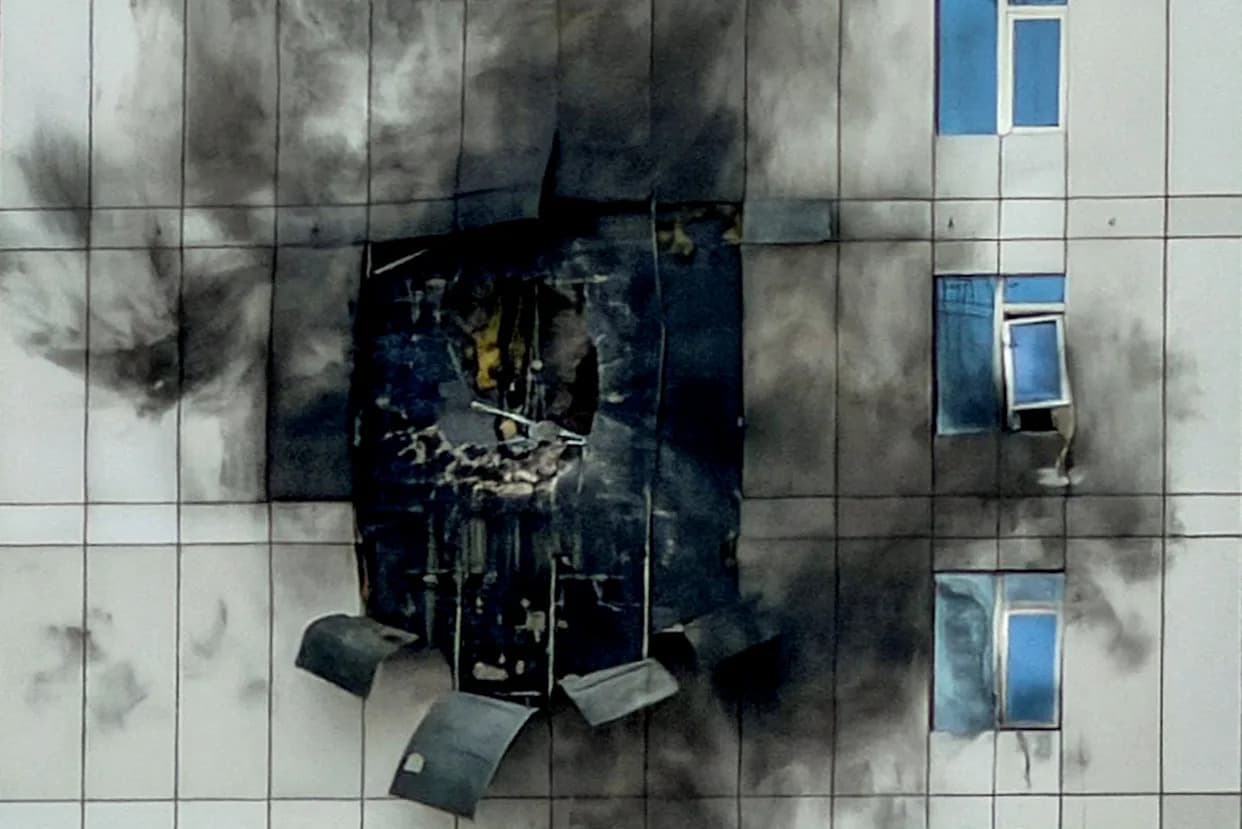
A building damaged by an Iranian drone attack in Manama, Bahrain [File: Hamad I Mohammed/Reuters]
Gulf diplomats told the United Nations Human Rights Council that recent Iranian strikes on Gulf territories constitute a serious breach of state sovereignty and demanded full reparations, as the wider confrontation involving Iran, Israel and the United States enters its fourth week.
GCC Delegations Condemn Cross‑Border Attacks
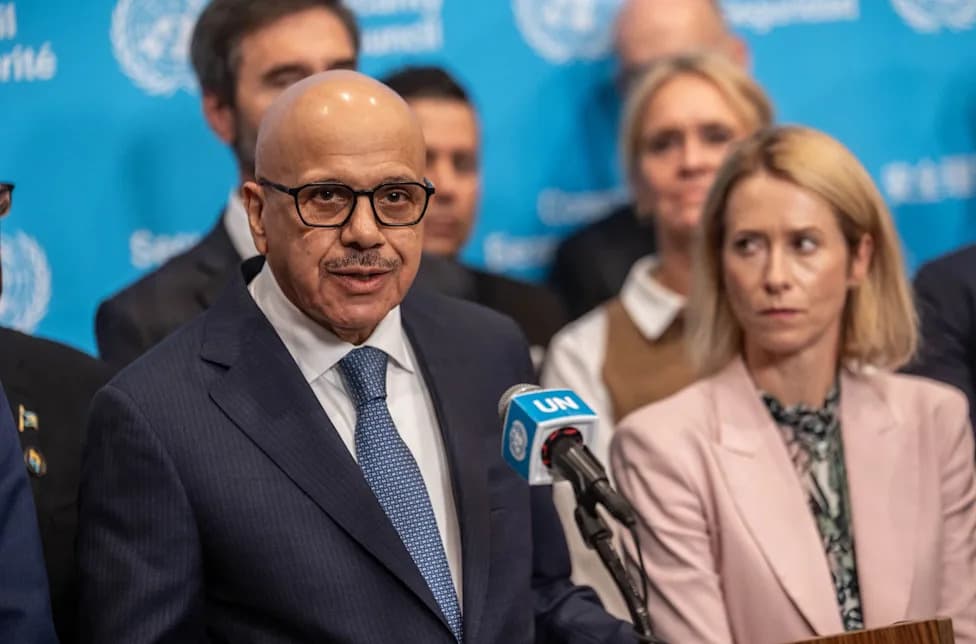
Saudi Arabia’s UN envoy, Abdulmohsen Majed bin Khothaila, condemned the strikes at an emergency session in Geneva, saying Gulf Cooperation Council (GCC) states were being attacked despite not being party to the conflict.
“[Iranian attacks] violate the UN Charter and international law. We must call things by their name,” Majed bin Khothaila said. “To target states that are not party to the hostilities amounts to unacceptable and unjustifiable attacks that cannot be passed over in silence.”
At the close of the meeting, the 47‑member council approved a non‑binding resolution proposed by the GCC and Jordan condemning Tehran’s actions that aimed to disrupt passage through the Strait of Hormuz — a vital chokepoint through which roughly one‑fifth of the world’s oil and gas supplies transit. The resolution called on Iran to “immediately cease all unprovoked attacks” and demanded full and swift reparations for victims.
Human Rights, Environmental and Economic Concerns
Qatar’s representative, Hend bint Abd al‑Rahman al‑Muftah, warned that the strikes carry “grave repercussions” for regional peace, security and human rights. She emphasised the collateral effects on civilians and critical infrastructure, noting that deliberate attacks on electricity and desalination plants can cause serious environmental harm and undermine basic human rights.
Kuwait’s ambassador, Naser Abdullah Alhayen, described the situation as an “existential threat to international and regional security,” arguing that such aggressive actions undermine international law and the principle of sovereignty.
UN rights chief Volker Türk cautioned that the situation has become “extremely dangerous and unpredictable,” warning the conflict could push the Middle East toward an “unmitigated catastrophe” unless hostilities end.
Diplomacy and Regional Stakes
Reporting from Dubai, Al Jazeera’s Zein Basravi said Gulf states are seeking a seat at any negotiating table between the United States and Iran, aiming to secure guarantees for their own security as part of wider de‑escalation efforts. Observers noted that even if the frequency of incoming attacks has recently decreased, a single strike can still cause significant disruption.
The council’s resolution is not legally binding, but it signals strong regional concern and a unified diplomatic push by Gulf states to hold Tehran to account for cross‑border attacks and to seek guarantees for maritime and energy security.
Help us improve.