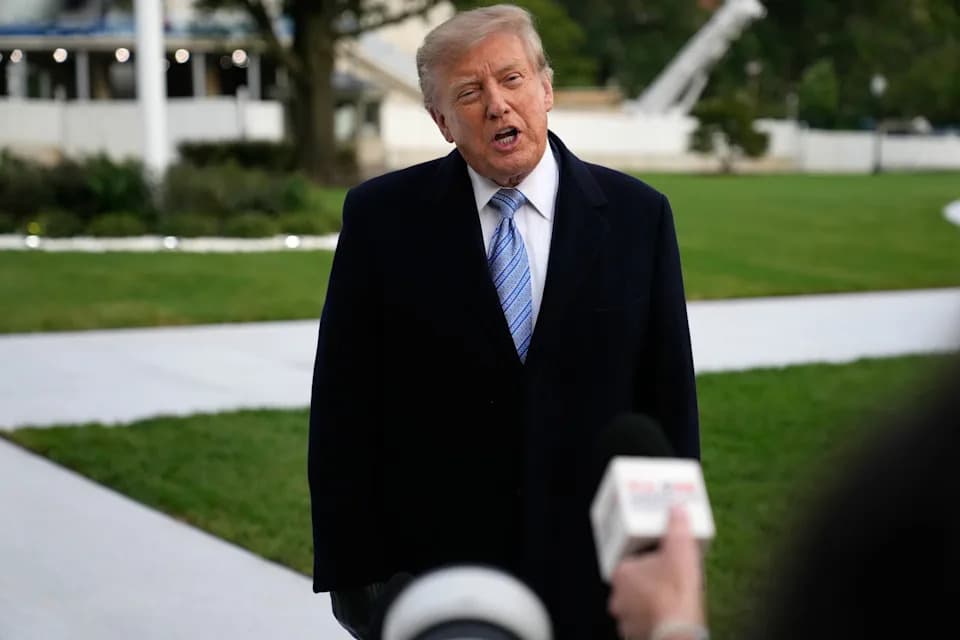
Donald Trump abruptly paused planned strikes on Iran after Gulf states warned that attacking Iranian power plants would provoke retaliation against critical regional energy and water infrastructure. The Strait of Hormuz remained a flashpoint, triggering market volatility and exposing limits to U.S. leverage. Analysts say the pause reflects concerns that the conflict was slipping beyond control; Iran now seeks binding guarantees, compensation and a stronger regional role as conditions for talks.
Gulf Warnings, Fears of Miscalculation Prompt Trump To Pause Attacks On Iran
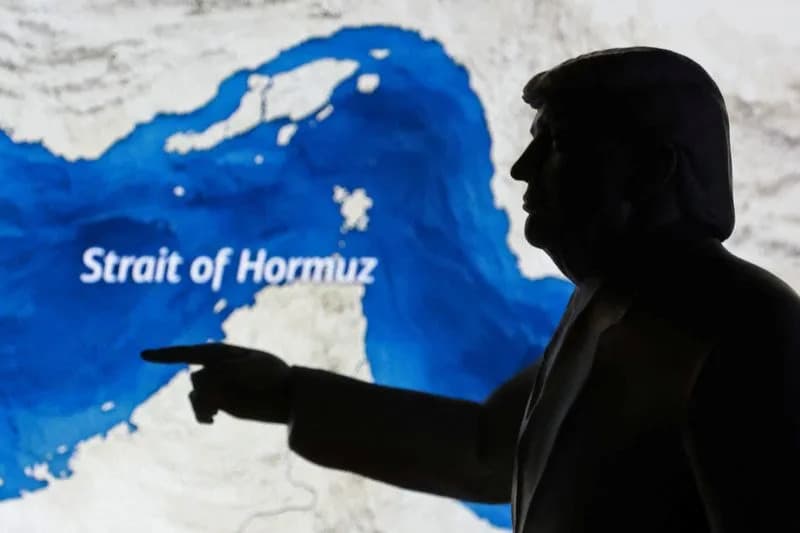
A map showing the Strait of Hormuz and a 3D-printed miniature model depicting U.S. President Donald Trump are seen in this illustration taken March 23, 2026. REUTERS/Dado Ruvic/Illustration
Donald Trump’s abrupt pause in planned strikes on Iran followed direct warnings from Gulf states and growing regional alarm that the conflict risked spiraling beyond U.S. control, regional sources and analysts told Reuters.
Gulf States Warned Of Retaliation
Gulf Arab governments told U.S. officials that attacks on Iran’s power plants would invite Iranian retaliation against critical energy and desalination infrastructure in the Gulf, according to multiple regional sources who spoke on condition of anonymity because of sensitivity. Iran, using an Arab intermediary, warned Gulf capitals that any strike on its power network would prompt unlimited retaliation.
Strait Of Hormuz And Market Impact
Mr. Trump had threatened to strike Iran’s electricity grid unless Tehran reopened the Strait of Hormuz, a waterway that carries about one-fifth of the world’s oil and gas. Iran did not comply, the strait remained effectively closed for a time, oil prices spiked and global equities slipped—exposing limits to U.S. leverage and raising economic stakes for regional partners.
White House Response And Operation Epic Fury
The White House said President Trump believed U.S. forces were close to meeting defined objectives for Operation Epic Fury and that he stayed in close contact with Middle East partners. White House spokeswoman Anna Kelly framed the pause as a continuation of pressure on Iran while defending the removal of threats to U.S. allies.
Why The Pause?
Regional sources and analysts interpret the pause as recognition that an escalation would impose heavy costs on Gulf partners and the global economy and risked slipping beyond U.S. control. Behind the scenes, intermediaries—including Pakistan, Turkey and Egypt—worked with Gulf states to limit wider spillover and to prevent further regional involvement.
"Trump totally miscalculated when he said 'you've got 48 hours to open the strait.' Once it became clear Iran was serious about hitting Gulf energy infrastructure in response, he had to back down." — Alan Eyre, former U.S. diplomat and Iran expert
Regional Fallout And Strategic Shifts
Analysts say Iran’s asymmetric escalation—targeting infrastructure and shipping—imposed disproportionate economic and security costs on Gulf states. The crisis shattered the previous status quo: Tehran, while damaged, was not defeated and demonstrated credible deterrent capacity, altering future calculations in the Gulf.
Negotiating Stakes And Possible Trajectories
Senior sources in Tehran say Iran’s bargaining position hardened, with demands likely to include binding guarantees against future strikes, compensation for wartime losses and increased influence over the Strait of Hormuz. Experts identify Iranian parliament speaker Mohammad Baqer Qalibaf, a former Revolutionary Guards commander, as a key figure capable of negotiating while retaining hardliner credibility.
Observers outline two plausible paths: a tactical pause to complete deployments and test responses before renewed pressure, or a strategic de-escalation used to build leverage toward a broader settlement and new regional rules of engagement. Any durable resolution would likely require regional buy-in and possibly the involvement or tacit support of global powers such as Russia or China.
Conclusion
Trump’s pause appears to reflect the political and economic calculus of avoiding an escalation that could become a prolonged, presidency-defining quagmire. For Gulf partners, the episode underscored vulnerabilities and the need for clearer regional safeguards; for Tehran, it reinforced a mix of deterrence and cautious bargaining that will shape any future talks.
Reporting by Samia Nakhoul; additional reporting by Parisa Hafezi; writing and editing by Reuters staff.
Help us improve.