U.S. District Judge Paul Friedman ruled that a Pentagon policy denying access to reporters who refused to accept only Department-approved talking points violated the First and Fifth Amendments. The 40-page decision, issued March 20, ordered restoration of press credentials for seven New York Times reporters and criticized overly broad restrictions on press access. The Pentagon says it will immediately appeal, and press organizations are urging that access be restored to all journalists who surrendered credentials last fall.
Federal Judge Rules Pentagon Violated Press Rights, Orders Restoration Of Reporters' Access

Defense Secretary Pete Hegseth speaks at a press briefing on March 19, 2026 in Arlington, Virginia.Credit: Win McNamee/Getty
A federal judge has ruled that the Defense Department violated reporters' constitutional rights by restricting access to journalists who refused to accept only Pentagon-approved talking points. In a 40-page opinion issued March 20, U.S. District Judge Paul Friedman concluded the policy discriminated against reporters and infringed the First and Fifth Amendments.
The Ruling
Friedman, a Clinton appointee, acknowledged the government's need to protect national security, troop safety and war plans. Still, he wrote that in a period of heightened international tensions it is especially important that the public receive information from a variety of perspectives. "Robust press coverage of the Pentagon is particularly important so that the public can support government policies, if it wants to support them; protest, if it wants to protest; and decide based on full, complete, and open information who they are going to vote for in the next election," Friedman wrote.
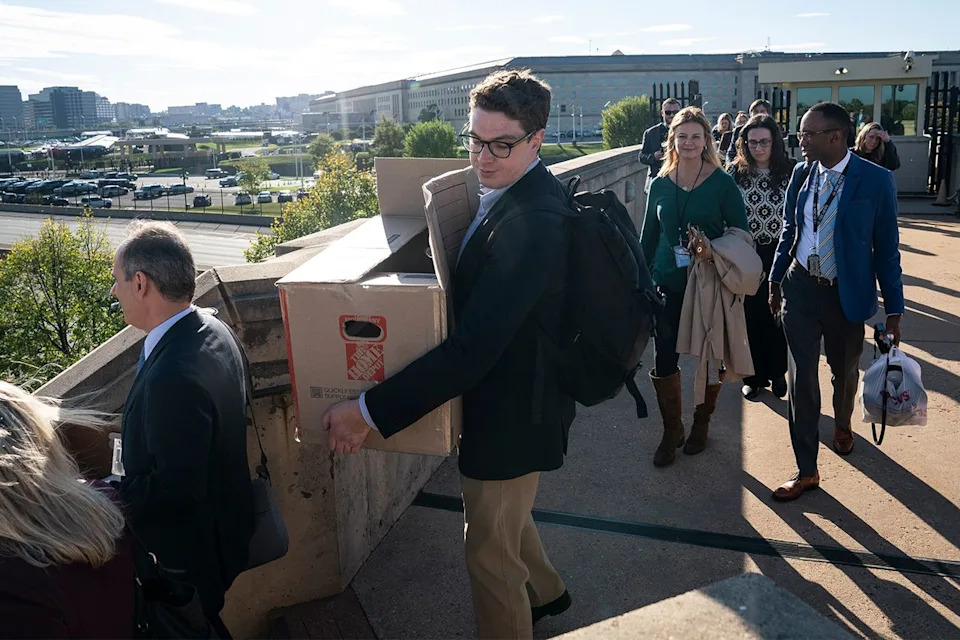
The Pentagon press corps walks out after refusing to agree to new reporting restrictions on Oct. 15, 2025Credit: Jabin Botsford/The Washington Post via Getty
How The Case Unfolded
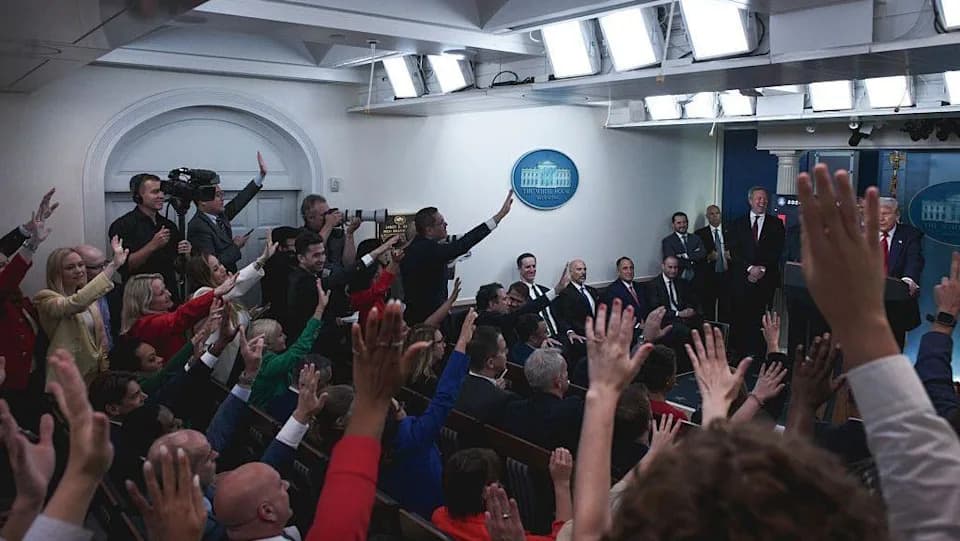
The lawsuit was brought by The New York Times after it and several other outlets relinquished Pentagon press credentials and office space last October to preserve editorial independence. The new Pentagon policy had required reporters covering the department to agree to publish only information authorized by Department leadership; most regular Pentagon outlets rejected those terms. In response, the Pentagon invited a mix of friendlier and ideologically aligned media figures into the press room, including some controversial personalities.
Reporters also alleged that photographers were barred from certain recent briefings; the Department denied those claims. Friedman ordered the restoration of press credentials for the seven Times journalists assigned to the Pentagon beat and called on the Department to justify any restrictions narrowly tied to legitimate security concerns.

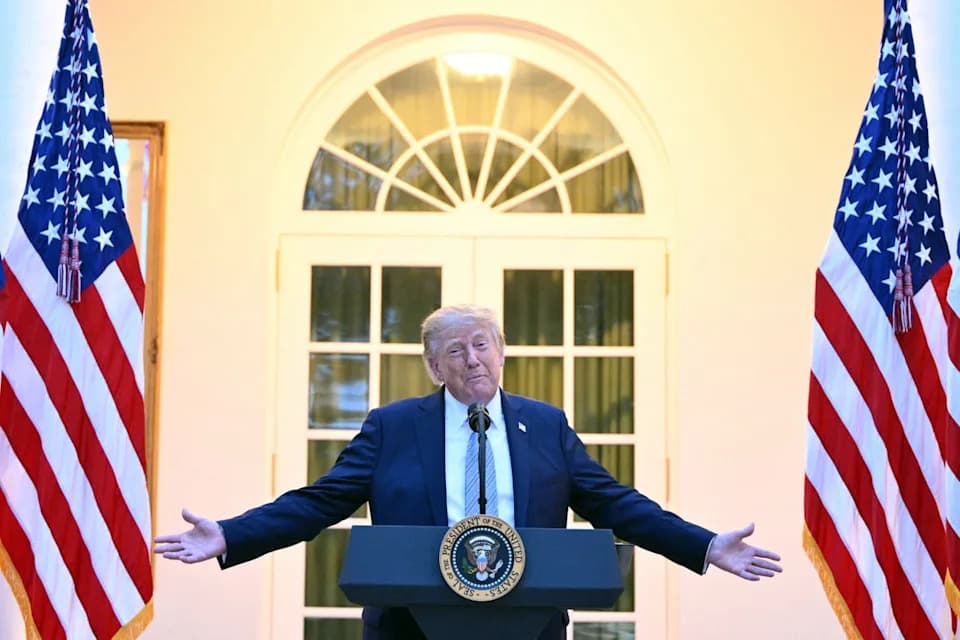
Defense Secretary Pete Hegseth at a news conference about the Iran war on March 2, 2026Credit: Stefani Reynolds/Bloomberg via Getty
Reaction And Next Steps
Pentagon spokesperson Sean Parnell said on X that the Department disagrees with the decision and will pursue an immediate appeal. The Pentagon Press Association, which represents reporters covering the Department of Defense, hailed the ruling as a victory for press freedom and urged restoration of access to all journalists who forfeited credentials last fall.
The dispute unfolded amid broader tensions between the current administration and many major news organizations. The ruling does not prevent the Pentagon from protecting legitimately sensitive national security information, but it limits the Department's ability to condition access on accepting only Department-sanctioned messaging.
Pentagon Press Association: "This is a great day for freedom of the press in the United States. We look forward to returning to the Pentagon and providing the public important information about military operations and policy."
With the Department appealing, the case is likely to continue in the courts. For now, the ruling reaffirms that access restrictions must respect constitutional protections while balancing real security needs.
Help us improve.