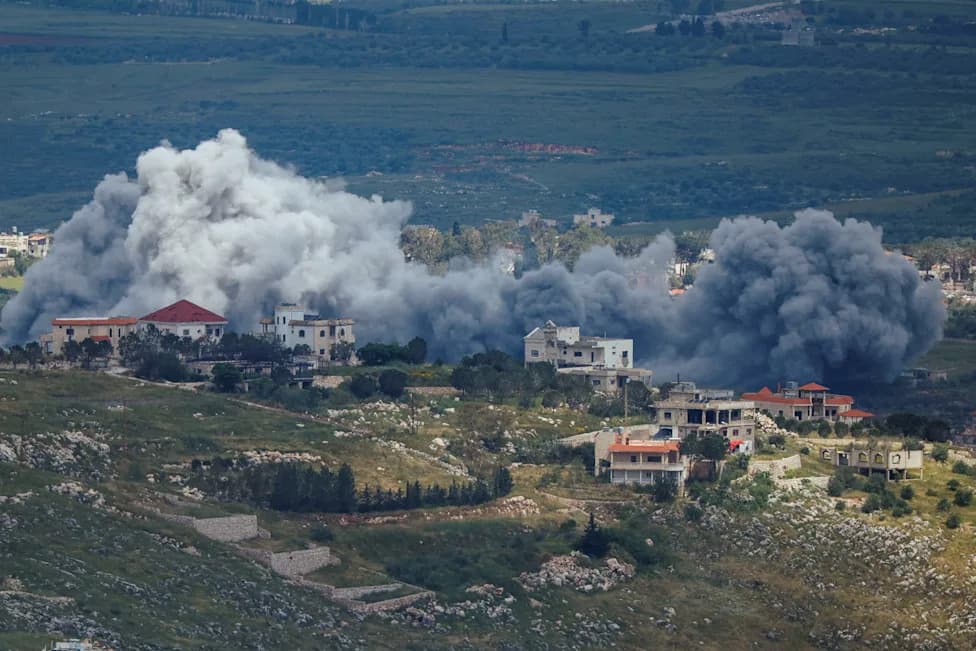
Finance Minister Bezalel Smotrich urged Israel to shift its northern border to the Litani River in southern Lebanon, remarks delivered as Israeli forces stepped up strikes that have damaged bridges and homes. Lebanon was pulled into the conflict after Hezbollah fired missiles on March 2; Lebanese authorities report over 1,000 dead and more than 1 million displaced. Smotrich also called for annexing parts of Gaza; international bodies and the UN rights chief have criticized strikes on civilian infrastructure and broad evacuation orders.
Israeli Finance Minister Calls To Annex Southern Lebanon Up To Litani River As Airstrikes Destroy Bridges And Homes
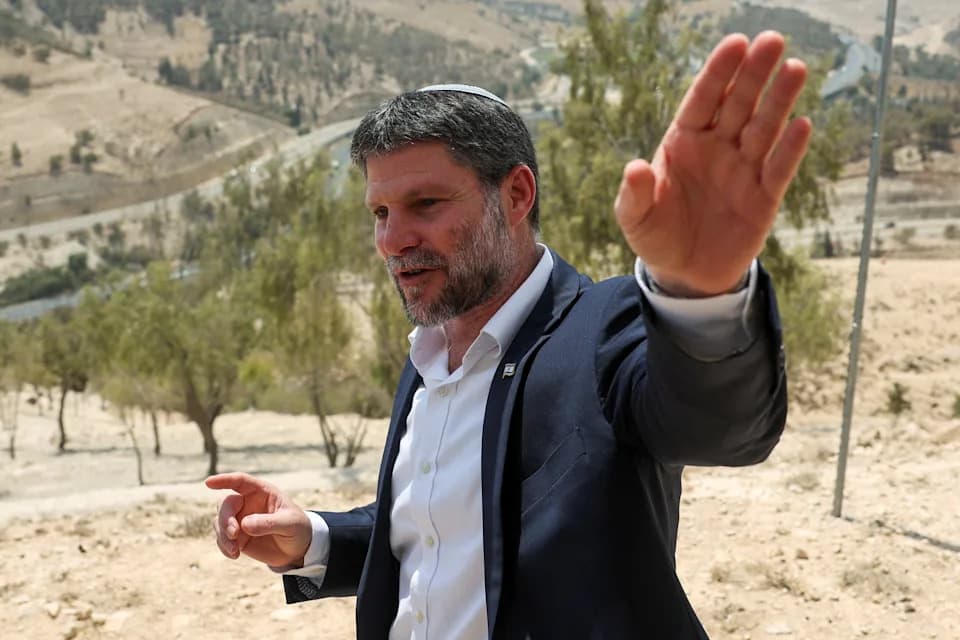
Israeli Finance Minister Bezalel Smotrich speaks regarding settlements expansion on August 14, 2025.
Israel's finance minister, Bezalel Smotrich, said on Monday that Israel should extend its northern border to the Litani River in southern Lebanon, remarks that came as Israeli forces intensified air and ground strikes that have damaged bridges and homes across the region.
What Was Said
Speaking on Israeli radio, Smotrich argued the military campaign in Lebanon "needs to end with a different reality entirely, both with the Hezbollah decision but also with the change of Israel's borders." He added that "the new Israeli border must be the Litani." Smotrich leads a small far-right party in Prime Minister Benjamin Netanyahu's cabinet and is known for rhetoric that sometimes goes beyond formal government statements.
Military Campaign And Civilian Impact
Lebanon was drawn into the wider regional conflict on March 2 after the Iran-backed group Hezbollah fired missiles into Israel. Since then, Israel has ordered residents to evacuate areas south of the Litani River and has carried out sustained air strikes and targeted ground raids it says aim to degrade Hezbollah's capabilities.
Lebanese officials report that the assault has killed more than 1,000 people and displaced over one million residents. Israeli strikes have damaged or destroyed multiple crossings over the Litani River, including a main bridge, and have led to increased demolition of homes near the southern border.
Political Responses And Regional Resonance
Netanyahu's office did not immediately comment on Smotrich's remarks. Earlier this month, Defence Minister Israel Katz warned Lebanon could face a "loss of territory" if it did not disarm Hezbollah. In Lebanon, Smotrich's proposal struck a sensitive chord: the country has endured repeated incursions and an extended Israeli occupation of its south from 1982 to 2000.
A Lebanese official told Reuters that Beirut is relying on pressure from foreign powers to press Israel to end the fighting, including an offer from President Joseph Aoun to hold direct talks.
Gaza And Other Territorial Proposals
Smotrich also urged annexation of territory Israel currently controls in the Gaza Strip, up to an armistice line with Hamas. A ceasefire signed in October left Israel in control of about 53% of Gaza, where authorities have ordered evacuations and razed some buildings.
Legal And Humanitarian Concerns
International law generally prohibits attacks on civilian infrastructure. The United Nations human rights chief has criticized Israel's actions in Lebanon, particularly broad evacuation orders and strikes that damage civilian crossings and essential services.
On The Ground
The Israeli military says its operations in Lebanon involve ground maneuvers and targeted raids against Hezbollah fighters and weapons caches to protect communities in northern Israel from cross-border fire. The Lebanese government has outlawed Hezbollah's military activity and has said it prefers direct negotiations with Israel.
Hanna Amil, mayor of the Christian border town Rmeish, where many residents have refused to leave, said movement was becoming increasingly difficult: "Once or twice a week, a convoy from the Lebanese army accompanies us as we try to get basic goods from nearby areas. Already we have no state electricity, no water and we have diesel shortages. If all the routes to the north get cut off, who knows what the future could hold for us."
On the weekend referenced in reporting, Israeli forces struck a main bridge linking southern Lebanon with the rest of the country and later hit two additional crossings on the Litani River.
Reporting: Writing by Rami Ayyub; Editing by Peter Graff. This article originally appeared on The Detroit News and was republished by Reuters.
Help us improve.