Judge Paul Friedman struck down a Pentagon policy that allowed the Department of Defense to revoke reporters' credentials and require journalists to rely only on authorized spokespeople. The court found the rule threatened First Amendment protections and could produce reporting "spoon-fed" by department leadership. The Pentagon is appealing; if the injunction stands, defense correspondents would regain protections to independently cover military operations during ongoing conflicts.
Judge Strikes Down Pentagon Rules That Revoked Reporters’ Credentials — A Win For Press Freedom
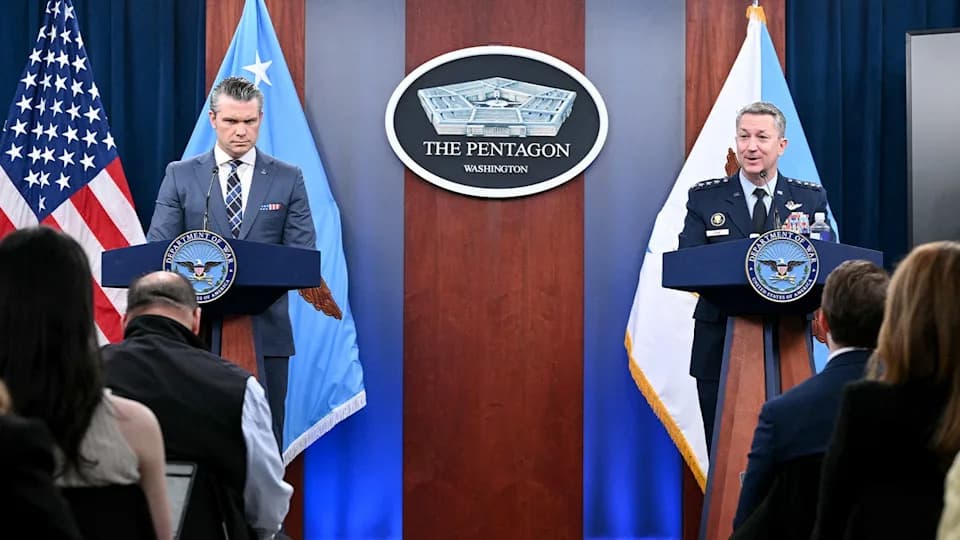
War Secretary Pete Hegseth, left, and Chairman of the Joint Chiefs of Staff Gen. Dan Caine speak during a news conference Thursday at the Pentagon in Washington, D.C.(Getty Images)
A federal judge has invalidated sweeping Pentagon rules that allowed the Department of Defense to revoke reporters’ credentials and restrict how they gather information. The policy had led to the removal of credentialed correspondents from major outlets and drew sharp criticism from press advocates and civil libertarians.
Background
The rule in question resulted in expulsions of reporters from outlets including The New York Times, The Washington Post, The Wall Street Journal and broadcast organizations such as ABC, NBC, CBS and Fox News. In a decision brought by The New York Times, U.S. District Judge Paul Friedman concluded that the policy threatened First Amendment protections by enabling the Pentagon to limit which journalists could cover defense matters.
"Those who drafted the First Amendment believed that the nation’s security requires a free press and an informed people and that such security is endangered by governmental suppression of political speech," Judge Friedman wrote, noting the principle has applied for roughly 250 years.
Why the Ruling Matters
Judge Friedman found evidence the policy targeted "disfavored journalists" and would effectively permit the Defense Department to replace critical reporters with those more likely to produce accounts "favorable to or spoon-fed by department leadership." The ruling stressed the special importance of independent reporting while the United States faces serious geopolitical challenges, including ongoing tensions with Iran and operations in Venezuela.
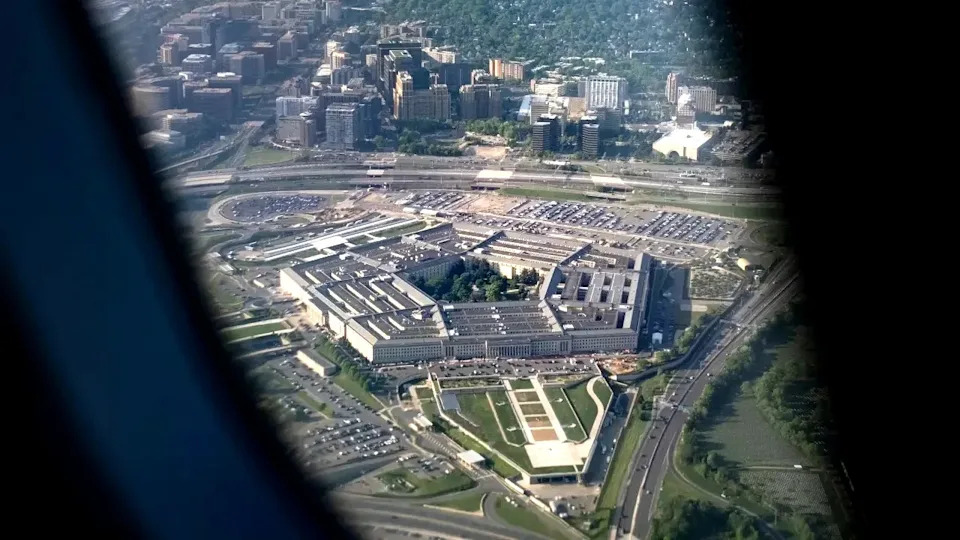
The Pentagon Press Association celebrated a judge's ruling that the new press pass policy that wanted to be instated would be unconstitutional in a statement issued on Friday.
The Pentagon has announced it will appeal the decision. If the injunction is ultimately upheld, defense correspondents would regain protections to cover military and national security decisions without fear of arbitrary exclusion or forced reliance only on authorized spokespersons.
Context And Concerns
The case also highlighted an awkward reality: some credentialed figures with strong partisan ties have had Pentagon access despite promoting controversial or unfounded claims. Names cited include Mike Lindell, former Rep. Matt Gaetz, Laura Loomer and James O’Keefe — figures whose inclusion raised questions about how credentials were granted and what standards were applied.
At the same time, former President Donald Trump has both criticized major media outlets and provided unusually direct access to some reporters, while securing several high-profile legal settlements against networks. At the Defense Department, Secretary Pete Hegseth publicly accused some outlets of emphasizing U.S. casualties to undermine the administration — conduct that, the judge found, did not justify the broad restrictions imposed in the October rule.
Bottom Line
Independent reporting from defense beats is essential during military operations: specialized correspondents rely on access to explain strategy, casualties and civilian impacts to the public. The ruling restores a critical firewall between the press and potential government overreach, ensuring a diversity of perspectives remains available to voters and policymakers at a moment when information can shape life-and-death decisions and influence elections.
Help us improve.