Treasury Secretary Scott Bessent said the US may need short‑term escalation to "de‑escalate" the conflict with Iran, remarks that followed President Trump's warning to "obliterate" Iranian energy facilities over the Strait of Hormuz. Bessent temporarily waived sanctions on already‑loaded Iranian and Russian oil to calm markets, a move critics say could fund Tehran. He defended the waiver as reducing Iran's revenue and stabilizing prices, while Reza Pahlavi urged leaders to avoid striking civilian infrastructure.
US May 'Escalate To De‑escalate' in Campaign Against Iran, Treasury Secretary Says
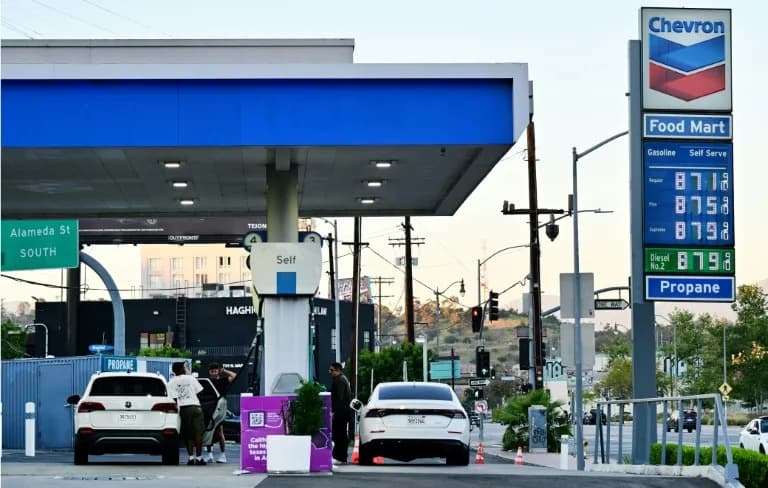
The sign of a Chevron gas station displays current prices as drivers pump gas in Rosemead, near Los Angeles, California in March 2026 (Frederic J. BROWN)(Frederic J. BROWN/AFP/AFP)
The United States may need to "escalate" attacks on Iran before it can wind down the conflict, Treasury Secretary Scott Bessent told NBC's "Meet the Press" on Sunday. His comments followed contrasting statements by President Donald Trump about the trajectory of the US military campaign.
Trump's Warning and Bessent's Rationale
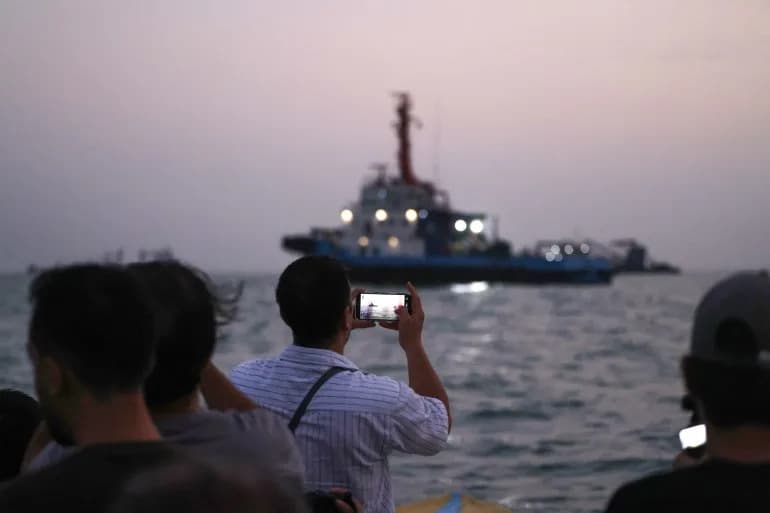
On Saturday, Mr. Trump warned he could "obliterate" Iranian energy facilities if Tehran did not fully reopen the strategically vital Strait of Hormuz — a key shipping chokepoint through which roughly one‑fifth of the world’s oil and gas supplies transit. That comment came just a day after he said US objectives were "very close" and that he was considering "winding down" the war.
Asked whether the administration was moving to wind down or escalate the conflict, Bessent said the two goals were not mutually exclusive. "Sometimes you have to escalate to de‑escalate," he told NBC, adding bluntly: "This is the only language the Iranians understand."
Market Steps and the Sanctions Waiver
Iranian threats to shipping through the Strait of Hormuz have pushed global energy prices higher. To calm market turmoil, Bessent temporarily waived US sanctions on Iranian and Russian oil cargoes that had already been loaded onto tankers, a measure intended to keep supplies flowing while diplomatic and military pressures continue.
"That Iranian oil was always going to be sold to the Chinese. It was going to be sold at a discount... So which is better? If oil prices spiked to $150 and they (Iran) were getting 70 percent of that, or oil prices below 100?" — Scott Bessent
Critics say the waiver risks funneling money to Tehran at a time when the US and Israel are engaged with Iranian‑backed forces. Bessent defended the move as aimed at reducing both market disruptions and the net revenue Iran would receive from crude sales.
Domestic Political Implications
The surge in crude prices has quickly translated into higher pump prices across the United States, raising political risks for Mr. Trump ahead of the midterm elections. When pressed about when consumers might see relief, Bessent declined to give a firm timeline: "I don't know whether it's going to be 30 days. I don't know whether it's going to be 50 days. I don't know whether it's going to be 100 days." He added that voters would likely accept short‑term costs if they lead to a long‑term reduction of Iran's nuclear and military capabilities: "But to have 50 years of peace in the Middle East and know that the Iranian regime is defanged will be worth it."
Calls to Protect Civilian Infrastructure
Separately, Reza Pahlavi — the exiled son of Iran's last shah — urged President Trump and Israeli Prime Minister Benjamin Netanyahu not to strike Iran's civilian infrastructure, saying those assets "belong to the Iranian people and to the future of a free Iran." Pahlavi, who influences some in the diaspora but holds no official role, wrote on X that "Iran must be protected. The regime must be dismantled."
The situation remains fluid. Officials say military, diplomatic and economic measures will likely continue in parallel as the administration seeks to stabilize energy markets while pursuing its strategic goals.
Help us improve.