
CNBC’s Sara Eisen defended President Trump’s campaign against Iran on ABC’s The View, calling it a strategic move to prevent Tehran from becoming a nuclear-armed sponsor of terrorism. Co-hosts Ana Navarro and Sara Haines pushed back, citing Iraq as a cautionary lesson and warning about the difficulty of exit strategies. Haines also noted Iran’s internal dynamics and a culture of martyrdom could complicate prolonged conflict. The White House said Operation Epic Fury aims to cripple Iran’s missile capacity, navy, proxy networks and nuclear ambitions.
The View Sparks Heated Debate: Is Trump’s Iran Campaign A Strategic Necessity Or An Iraq-Style Blunder?

Ana Navarro blasted President Trump, arguing he has made a dire miscalculation by taking military action in Iran.(Getty Images)
CNBC anchor Sara Eisen, guest-hosting on ABC's The View, clashed with regular co-hosts Friday over whether President Donald Trump’s recent military campaign targeting Iran represents a necessary step to protect future Americans or a dangerous repeat of the Iraq war.
On-Air Exchange
Eisen argued the operation could be justified as preventative: "It is a strategic opportunity so that our children do not have to face the greatest state sponsor of terror being a nuclear power," she said, warning that once Iran acquires a nuclear weapon and threatens allies such as Israel or nations in Eastern Europe, it may be too late to act.
"So, you feel safer today?" co-host Ana Navarro asked.
Eisen replied that she did feel safer knowing the United States was attempting to prevent a potential nuclear threat. Sara Haines agreed with the premise but urged caution, citing the lessons of Iraq and concerns about exit strategies after regime-targeting operations.
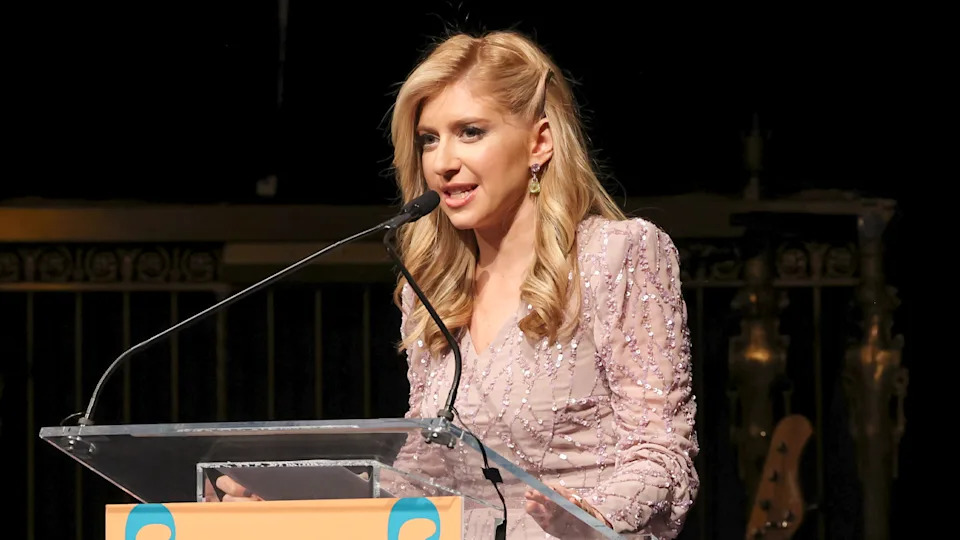
Sara Eisen attends the Room to Read 2023 New York Gala at Gotham Hall April 26, 2023, in New York City.
"I agree with all the points you just made. My fear going in, although I could see taking out the leadership in Iran was a good thing, was what is — how do we get out? Because we have watched this in Iraq. We watched what happened," Haines said, stressing the difficulty of withdrawing after major interventions.
Haines also argued that Iran presents distinct challenges: a fragmented power structure and a political culture among some regime loyalists that venerates martyrdom, which can make prolonged conflict uniquely intractable. (The Trump administration has said much of Iran's leadership has been killed in strikes during what it calls Operation Epic Fury.)
When Eisen acknowledged that the American public broadly opposes another long-term ground war, Sunny Hostin quipped, "You think he has a plan or the ‘concepts of a plan?’" Eisen pushed back, saying she believed the administration had more planning and strategic goals than critics credit it for.
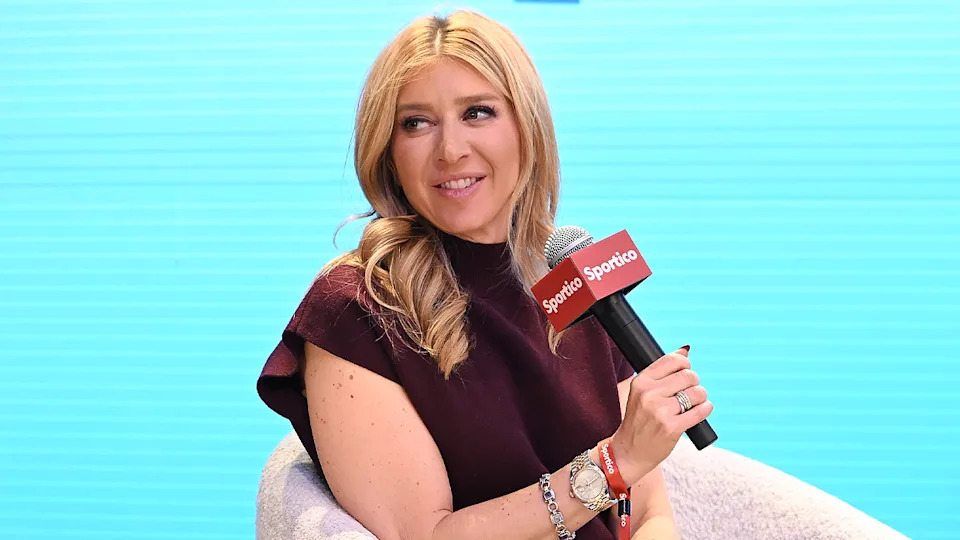
Sara Eisen has locked horns with her co-hosts numerous times as she has defended President Donald Trump's administration.
Navarro described the administration’s approach as a serious miscalculation: "Frankly, I think — I think Trump has what a friend of mine called ‘Venezuela derangement syndrome,’ and he thought getting rid of the regime and finding people to work with in Iran was going to be as easy as it was in Venezuela. And it’s proven to be a completely different ball of wax."
White House Response
Responding to the television debate, White House spokeswoman Olivia Wales told Fox News Digital that President Trump launched Operation Epic Fury with four distinct objectives: to destroy Iran’s ballistic missile and production capacity, annihilate its navy, end its ability to arm proxies, and guarantee that Iran can never obtain a nuclear weapon. Wales also accused the program’s critics of political bias and said military efforts were meeting or exceeding administration benchmarks.
Why This Matters
The exchange on The View captures the broader national debate over short-term tactical gains versus long-term risks when pursuing regime-targeting operations. Critics point to Iraq as a cautionary lesson on exit strategies and unintended consequences; supporters argue preemption is necessary to prevent a nuclear-armed, state-sponsored patron of terrorism. The split highlights enduring questions about strategy, credibility, and the human and political costs of major military action.
Help us improve.





















