
This article summarises the latest developments in the Middle East conflict: Qatar warns attacks could cut LNG exports by 17% and take years to repair, while Lebanon reports more than 1,000 dead and 2,500 wounded. EU leaders pledged to mobilise to prevent uncontrolled migration stemming from regional instability. Israel's prime minister said the war could end sooner than expected and claimed progress against Iran, and the US approved $16bn in arms sales while saying it will not deploy ground troops.
Middle East War: Key Developments — LNG Damage, EU Migration Fears, Casualties and Diplomatic Strains
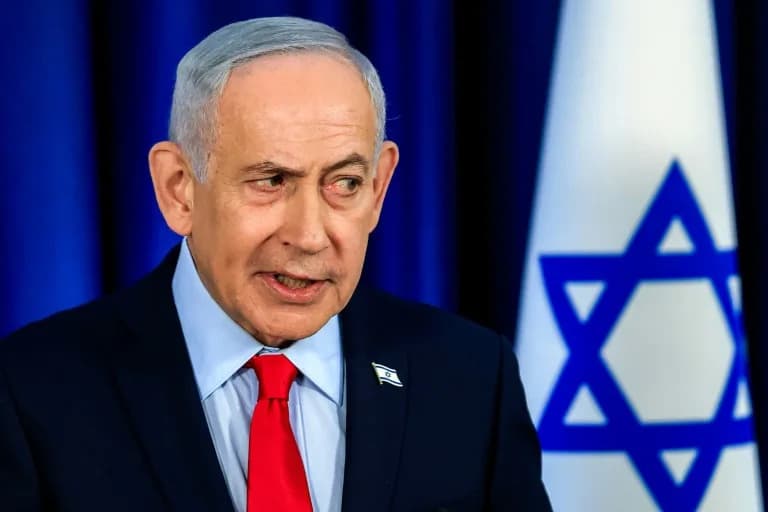
Israeli Prime Minister Benjamin Netanyahu at a press conference in Jerusalem on March 19, 2026 (Ronen Zvulun)(Ronen Zvulun/POOL/AFP)
Below are the latest verified developments in the Middle East conflict, summarised by theme and attribution.
EU Migration Fears
European Union leaders said they would "fully mobilise" diplomatic, legal, operational and financial tools to prevent "uncontrolled migratory movements" toward the 27-nation bloc, warning that wider regional destabilisation could spark migration comparable to the 2015 crisis. The pledge followed summit talks in Brussels where leaders emphasised preparedness to protect security and manage potential refugee flows.
Qatar: Strike Cuts 17% Of LNG Capacity
Qatar's energy minister, Saad Sherida Al-Kaabi, warned that attacks on the country's energy installations could reduce liquefied natural gas (LNG) export capacity by about 17% and said repairs may take three to five years. He added that Doha may be forced to declare force majeure on some long-term LNG contracts for up to five years.
Claims From Israel's Leadership
Prime Minister Benjamin Netanyahu told reporters he expects "this war ending a lot faster than people think" and described what he called tensions within Iran's leadership. He said he saw "cracks" both in Iran's command structure and on the battlefield and encouraged efforts to widen those divisions.
Netanyahu also said, "we are winning and Iran is being decimated," and asserted that Iran's capacity to enrich uranium or build ballistic missiles had been diminished—words presented here as the prime minister's claims.
Netanyahu said Israel acted alone in a strike on the Asaluyeh gas compound in Iran; that attack appears to have prompted a retaliatory strike on Qatar's main gas hub. He said US President Donald Trump asked Israel to refrain from further such strikes and that Israel was complying.
Lebanon: Casualties and Calls For Truce
Lebanese officials renewed calls for a ceasefire and negotiations with Israel to halt fighting with Hezbollah. Lebanon's health ministry reported that Israeli attacks have killed 1,001 people in the country since the conflict began, including 79 women, 118 children and 40 health workers, and that 2,584 others have been wounded.
Diplomatic and Military Developments
Iran has asked Germany to clarify the role of the US airbase at Ramstein in the conflict, Tehran's ambassador to Germany, Majid Nili, told AFP, saying the base's role was not officially clear to Iran.
The United States approved roughly $16 billion in arms sales to the United Arab Emirates and Kuwait, citing regional security concerns. President Trump said he would not deploy US ground troops, stating to reporters: "If I were, I certainly wouldn't tell you. But I'm not putting troops." These comments reflect current US policy as stated by the administration.
Context And Cautions
This report summarises statements and official figures from multiple governments and ministries. Some assertions—such as claims about Iran's military capabilities—are presented as statements by political leaders and have not been independently verified here. Readers should treat those claims as reported positions rather than established facts.
Help us improve.





















