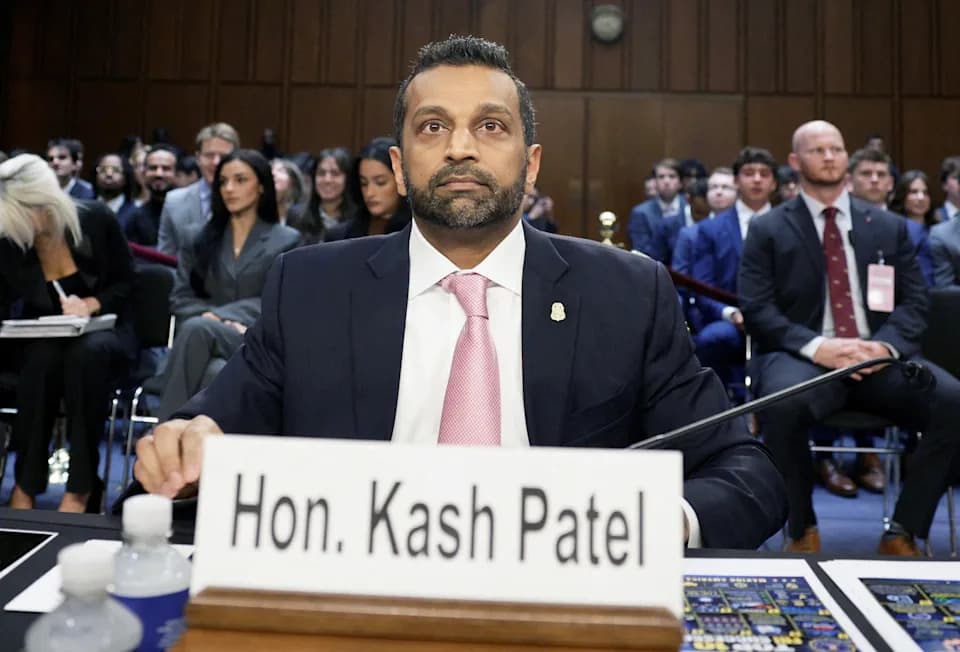
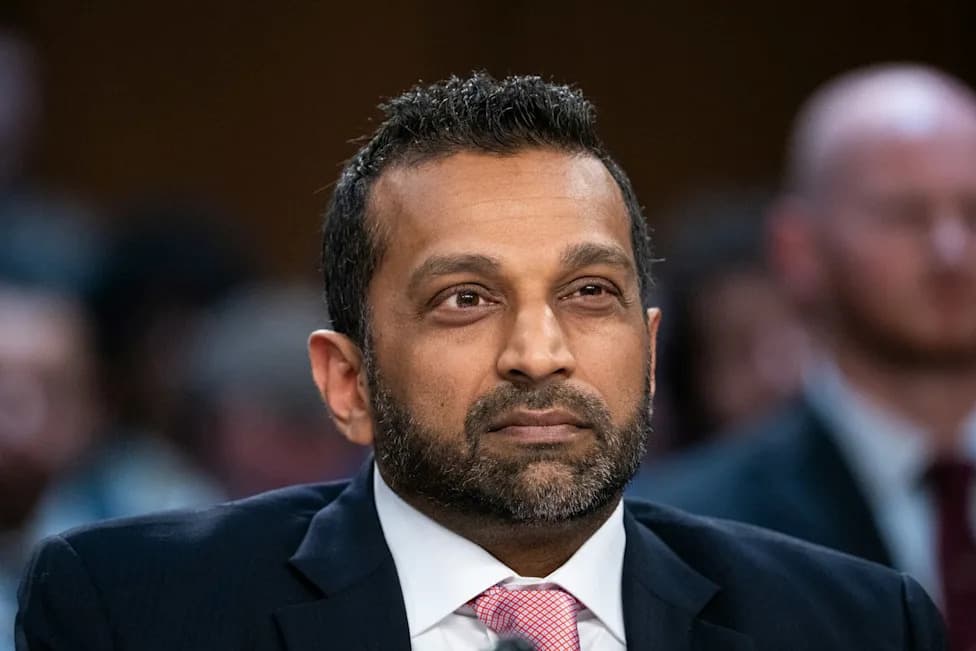
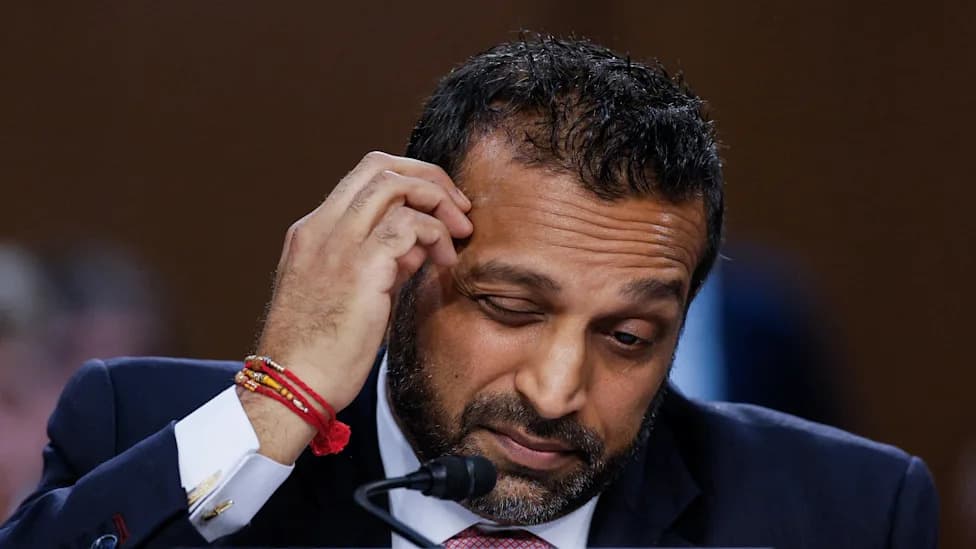
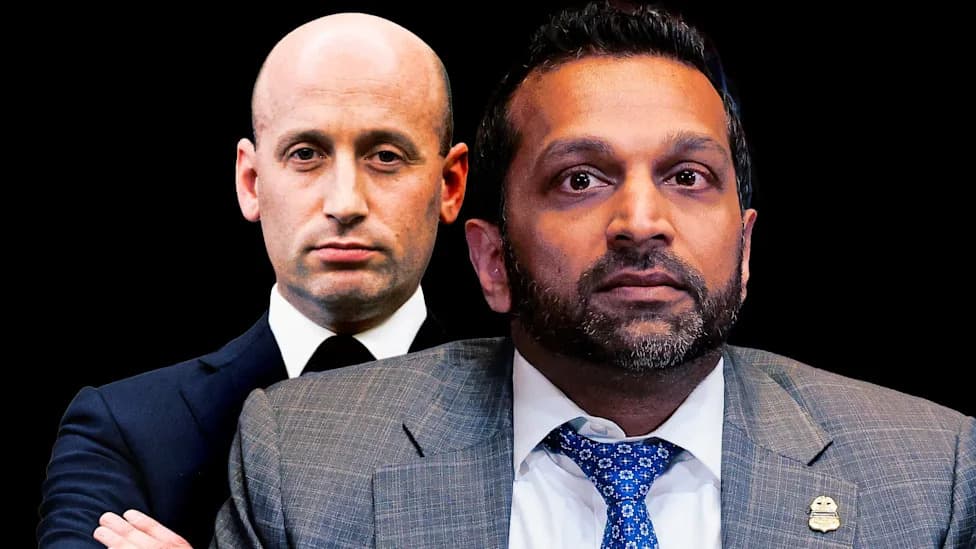
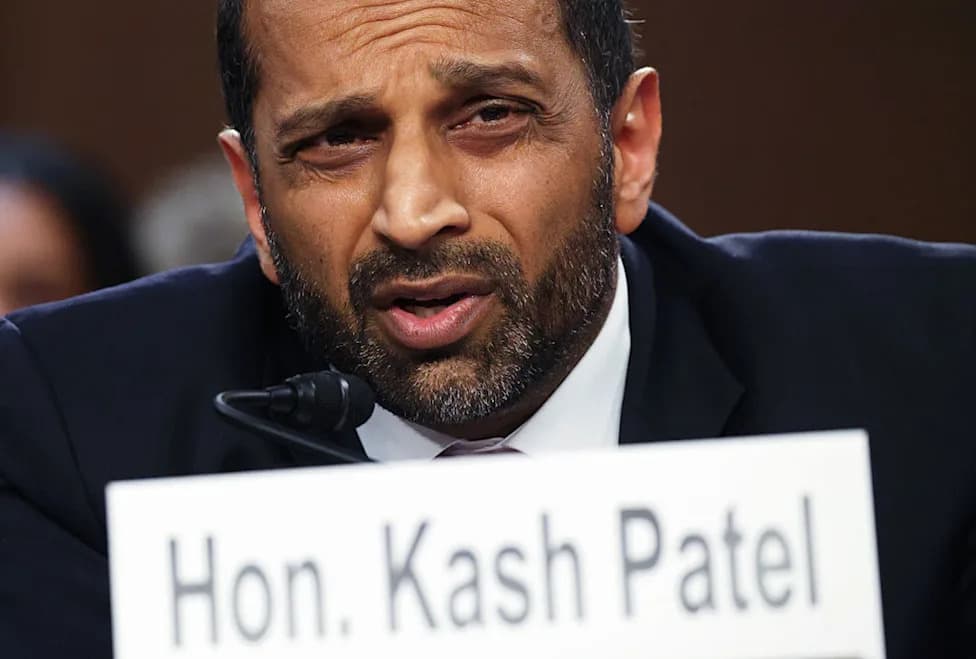
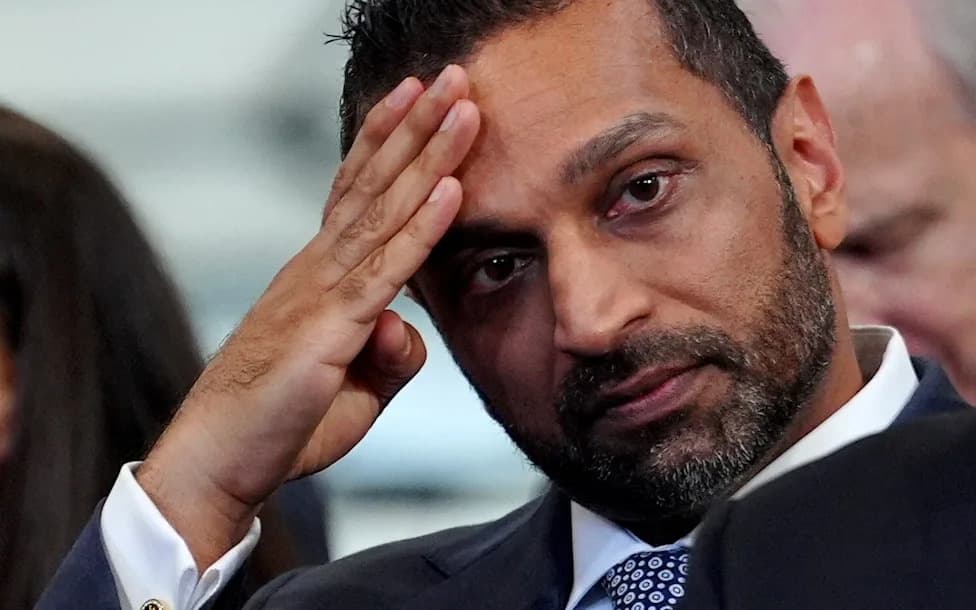
FBI Director Kash Patel will testify before the Senate Intelligence Committee to highlight reforms intended to strengthen domestic security and improve bureau operations. He will emphasize expanded biometric collection overseas, redeploying 1,000+ agents from Washington to field offices, doubled counter‑drone efforts and a new Alabama training center, and new AI initiatives to accelerate intelligence processing. Patel will cite metrics — including gang disruptions, large fentanyl seizures, and increases in violent‑crime arrests — while facing accusations from Democrats that some changes are politicized. Other senior intelligence officials will also testify at the hearing.
Kash Patel to Outline Major FBI Reforms — From Expanded Biometrics and AI to Counter‑Drone Programs
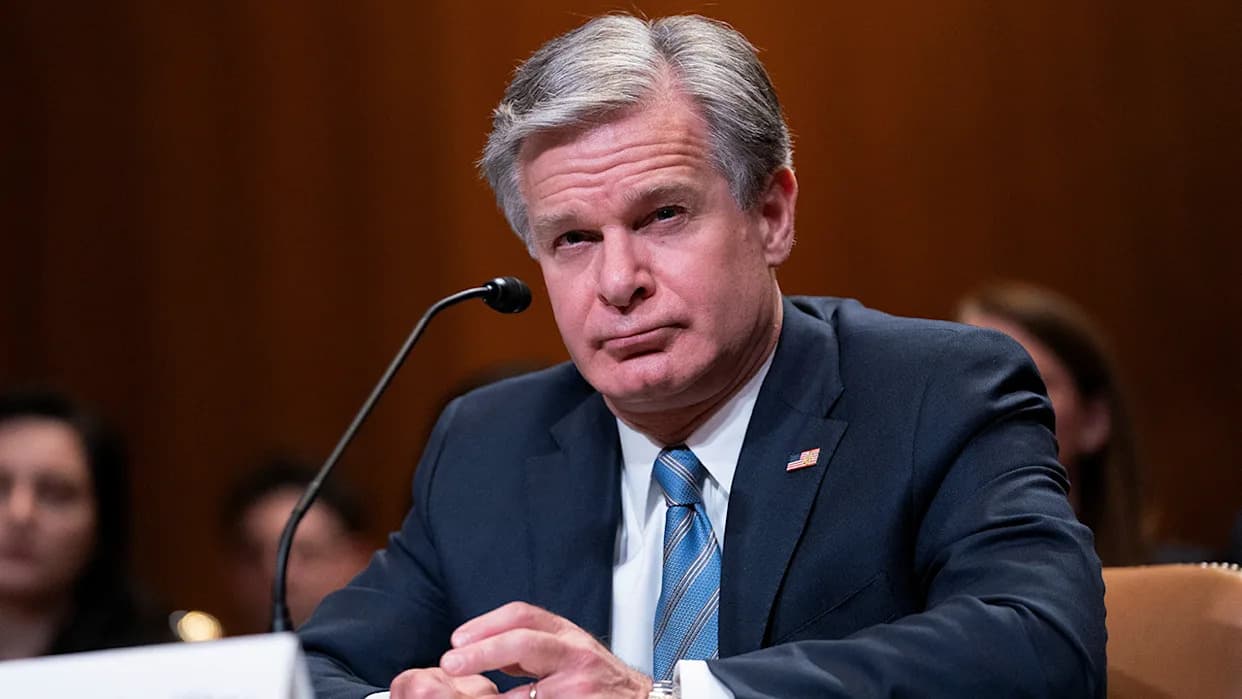
Kash Patel set to tout crucial FBI reforms that many Americans may not know about: 'Real security'
FBI Director Kash Patel is scheduled to present a slate of agency reforms and recent operational results during a Senate Select Committee on Intelligence hearing focused on global threats to the United States.
Reform Priorities Patel Plans To Highlight
According to Fox News Digital reporting, Patel will emphasize initiatives launched during President Donald Trump’s second term designed to speed information sharing, improve field operations, and strengthen domestic security. Key measures he is expected to outline include expanded biometric collection overseas to intercept threats before they reach U.S. soil; redeploying more than 1,000 agents from Washington, D.C., into field offices nationwide; doubling the size and funding of drone operations; and establishing a first‑of‑its‑kind counter‑drone training center in Alabama for state and local partners.
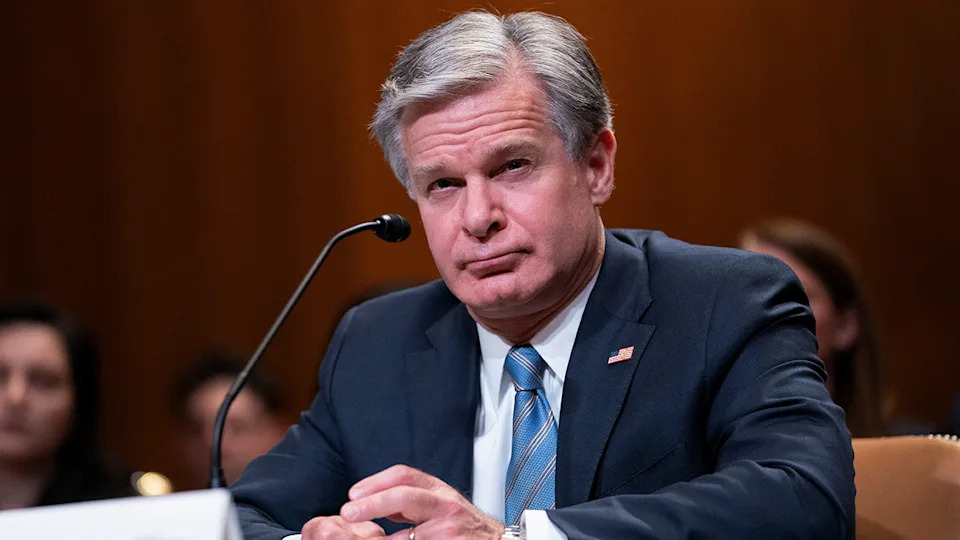
Former FBI Director Christopher Wray.(Reuters)
Technology, AI, and Threat Screening
Patel is also promoting new artificial intelligence initiatives to help process large volumes of intelligence and speed analysis, as well as efforts to modernize communications and threat‑detection systems. The bureau has renamed and expanded its Threats Screening Center (previously the Terrorist Screening Center) to cover a broader array of threats, including cartel‑related and other border security concerns.
"Under President Trump’s leadership, this FBI has been rebuilt into a faster, more accountable force focused on protecting Americans and crushing violent crime," Patel told Fox News Digital. "We’ve surged agents out of Washington and into the field, expanded biometric screening overseas to stop threats before they reach our homeland, overhauled our intelligence and operations systems, and strengthened partnerships and technology to move at the speed of today’s threats. This is a results‑driven FBI delivering real security for the American people."
Operational Results Patel Will Cite
The FBI will point to several operational statistics from the past year, including disruptions of roughly 1,800 gangs and criminal enterprises, the seizure of more than 2,250 kilograms of fentanyl, a reported 112% increase in violent‑crime arrests, nearly 350 cyber indictments, about 6,000 child victims located, and approximately 1,700 child predators arrested.
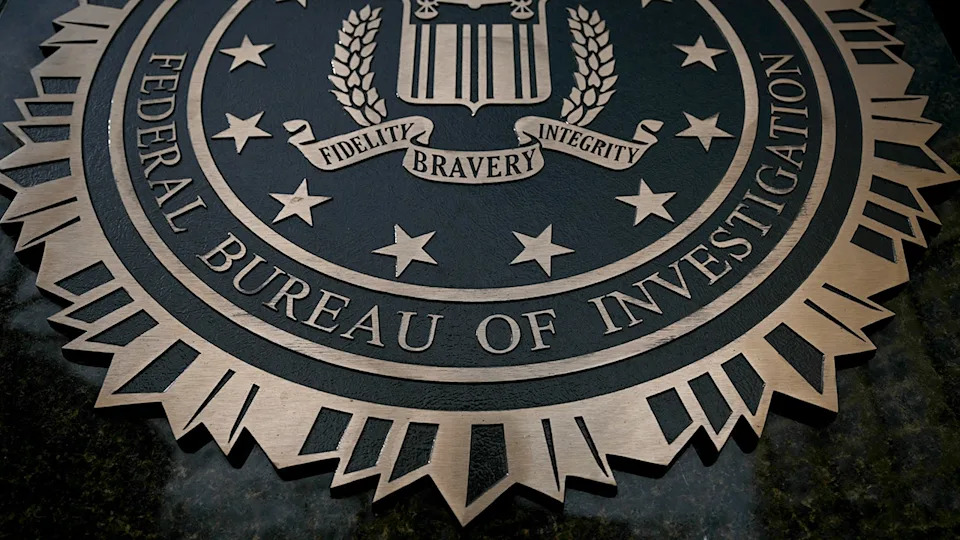
The seal of the Federal Bureau of Investigation (FBI) on the J. Edgar Hoover Federal Bureau of Investigation (FBI) building in Washington, DC, on March 10, 2025
Political Pushback And Policy Changes
Democrats have accused Patel of politicizing the bureau, while Patel and Republican supporters maintain the changes are intended to restore a nonpartisan, law‑enforcement focus. One policy change Patel champions is ending what he calls "politicized" threat‑banding — the practice of assigning certain issues, such as racially motivated violent extremism, to higher priority categories. The article notes that during former Director Christopher Wray’s tenure the FBI elevated racially motivated violent extremism to a national threat priority in 2020 and that a leaked Richmond field office memo about traditionalist Catholics drew GOP criticism.
Who Else Will Testify
Patel will appear alongside other senior U.S. intelligence leaders, including Director of National Intelligence Tulsi Gabbard, CIA Director John Ratcliffe, U.S. Defense Intelligence Agency Director James Adams, and acting commander of U.S. Cyber Command William Hartman. The hearing will give senators an opportunity to question agency leaders about priorities, resource allocations, and the balance between civil liberties and national security.
Lawmakers and the public will be watching to assess whether the reforms Patel describes translate into sustained operational improvements, better coordination with state and local partners, and safeguards against politicization.
Help us improve.