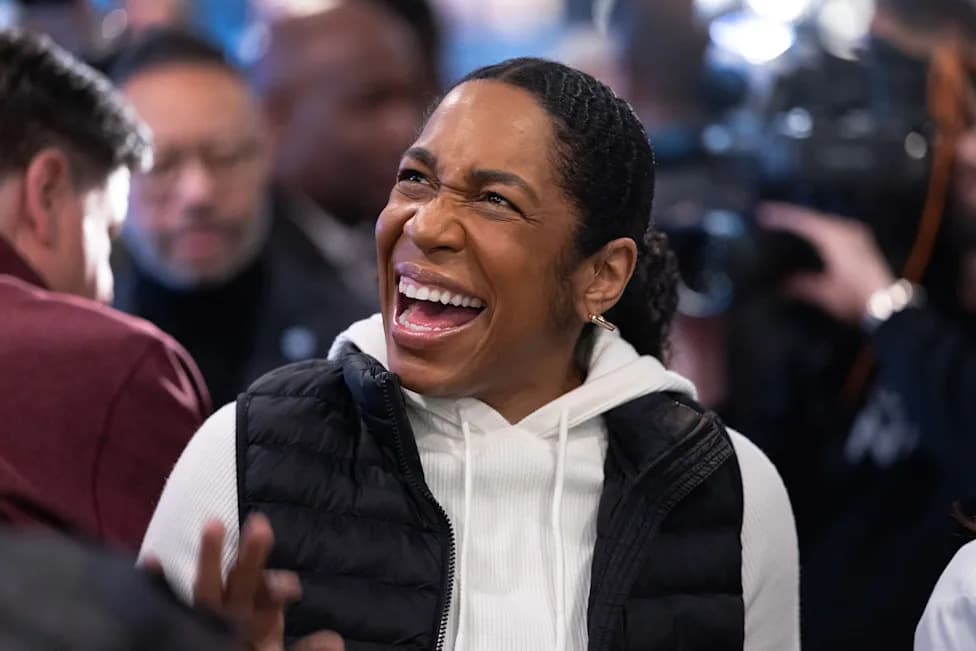
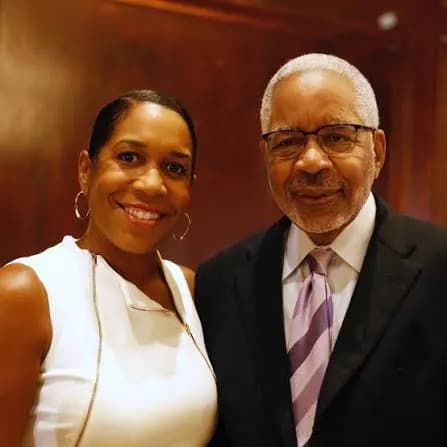
Gov. J.B. Pritzker used his wealth, institutional influence and an active campaign to help Lt. Gov. Juliana Stratton secure the Democratic nomination for the U.S. Senate in Illinois. Stratton’s victory reinforces Pritzker’s power as he prepares for a third-term gubernatorial campaign and considers a possible 2028 presidential bid. The race featured heavy spending, race-related dynamics and intraparty tensions, drawing criticism from some Congressional Black Caucus members about the outsized role of personal wealth.
Pritzker Emerges As Kingmaker In Illinois Senate Primary, Boosting Stratton And Taking Aim At Trump
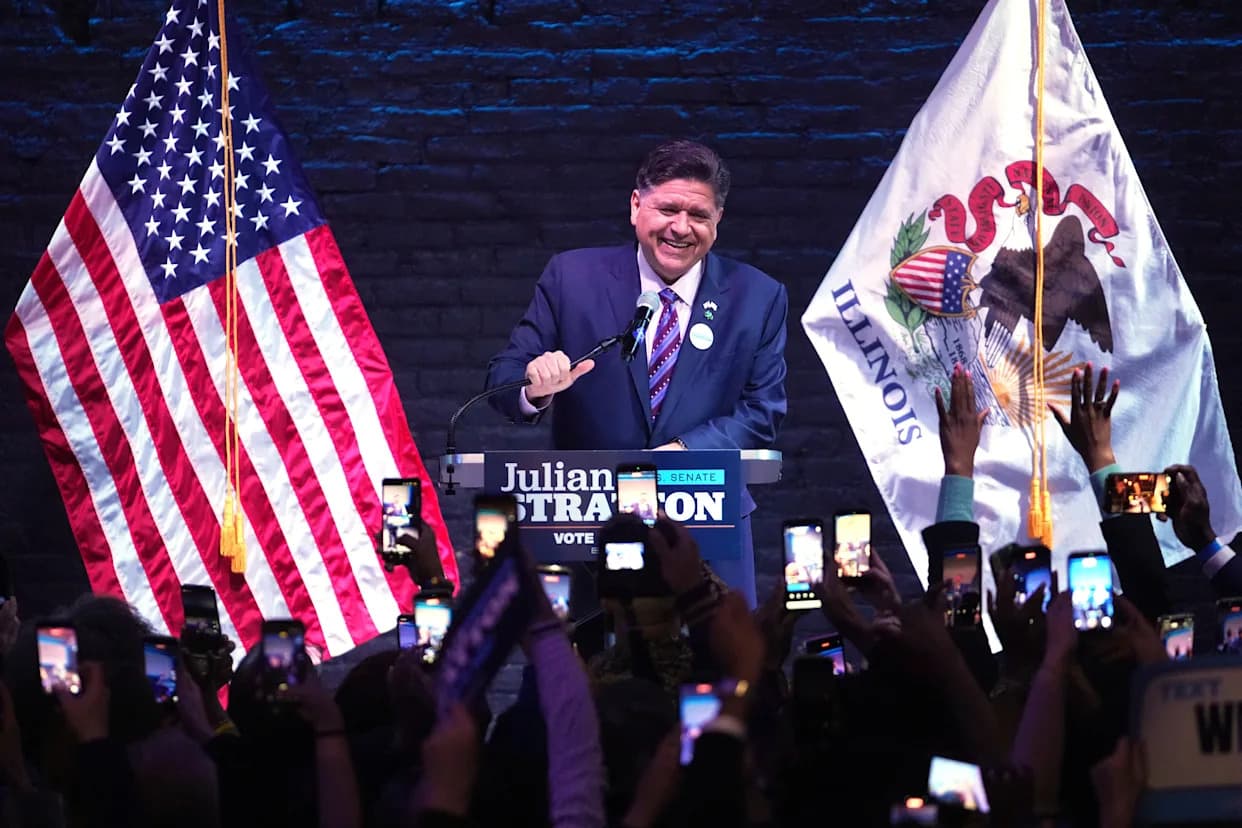
CHICAGO — Gov. J.B. Pritzker cemented his role as a decisive power broker in deep-blue Illinois after deploying millions of dollars, institutional influence and public campaigning to help Lt. Gov. Juliana Stratton win the Democratic primary for the U.S. Senate on Tuesday.
Stratton’s victory strengthens Pritzker’s standing inside the state Democratic Party as he prepares for a third-term gubernatorial run in November and quietly eyes a potential 2028 presidential bid. Pritzker has repeatedly used his personal wealth and party network to shape policy across Illinois, from energy and infrastructure to cost-of-living initiatives, and his involvement in the Senate race underscored that reach.
At a downtown Chicago event celebrating his uncontested gubernatorial primary, Pritzker highlighted his record and used the platform to assail former President Donald Trump. “For working families, the Trump presidency has been an unmitigated disaster,” he told supporters, citing higher energy and grocery costs and overseas conflicts as examples.
How He Helped: Pritzker poured large sums into a super PAC backing Stratton and campaigned alongside her frequently. That organizational and financial support proved decisive against Rep. Raja Krishnamoorthi, who entered the race with an estimated $30 million war chest and substantial outside backing but ultimately could not overcome Pritzker’s combined resources and endorsements.
Observers also pointed to local campaign dynamics: Rep. Robin Kelly, who finished third, and Stratton are both Black, prompting concerns that the split could have opened a path for Krishnamoorthi. Critics said Krishnamoorthi even ran ads that indirectly propped up Kelly to blunt Stratton’s momentum.
“A lot of people have suggested this was personal to me. They were right. It was,”
Pritzker said that evening, acknowledging how much was at stake personally and politically. The campaign atmosphere included small, memorable details—attendees noted an open bar at Pritzker’s watch party after reports that a rival event charged for drinks.
Pushback From The Congressional Black Caucus: The governor’s heavy involvement drew rebukes from some national Democrats. Rep. Yvette Clarke, chair of the Congressional Black Caucus (CBC), criticized what she described as an attempt to “tip the scales,” while Rep. Robin Kelly said a large share of Stratton’s outside funding traced back to one family. Sen. Cory Booker and other CBC members voiced concern about the role of vast personal wealth in intra-party contests, even as some colleagues defended Pritzker’s right to back candidates.
State Rep. Kam Buckner defended Pritzker’s engagement: “Political capital is a lot like financial capital... It grows because you deploy it,” he said, arguing that the governor was wisely using his influence.
Implications
Stratton’s win both consolidates Pritzker’s influence in Illinois politics and exposes ongoing tensions within the Democratic coalition over money, race and power. The result may bolster Pritzker’s standing ahead of November and add momentum to any future national ambitions, while continuing to fuel debate about wealthy donors and the balance of influence inside the party.
Notable Side Note: Another Pritzker-backed candidate, Rep. Brad Schneider, won the Democratic nomination in Illinois’ 10th Congressional District, signaling the governor’s broader ability to shape local contests.
Help us improve.