Tensions flared after the Afghan Taliban accused Pakistan of striking a rehabilitation centre, a claim denied by Islamabad. Data from the IISS shows Pakistan maintains a far larger, more modern military — including a nuclear deterrent — backed by Chinese defence ties. The Taliban's forces are smaller and constrained by lack of recognition, with limited air assets and uncertain equipment inventories. Emerging Taliban drone activity introduces an unpredictable asymmetric threat.
Pakistan vs Afghan Taliban: Military Balance as Cross-Border Tensions Escalate

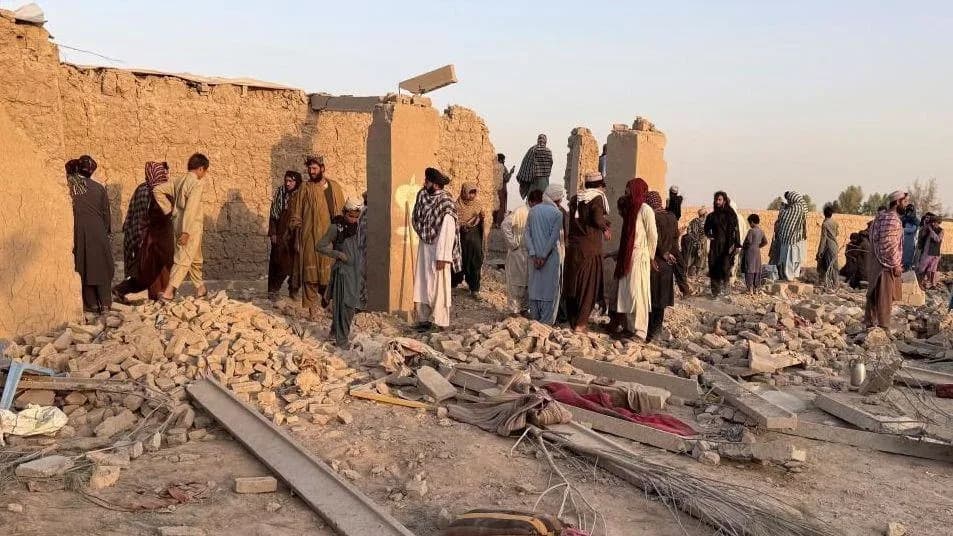
A man walks through debris at the site of a drug users rehabilitation hospital destroyed in what the Taliban said was a Pakistani air strike in Kabul, Afghanistan, March 17, 2026. REUTERS/Sayed Hassib
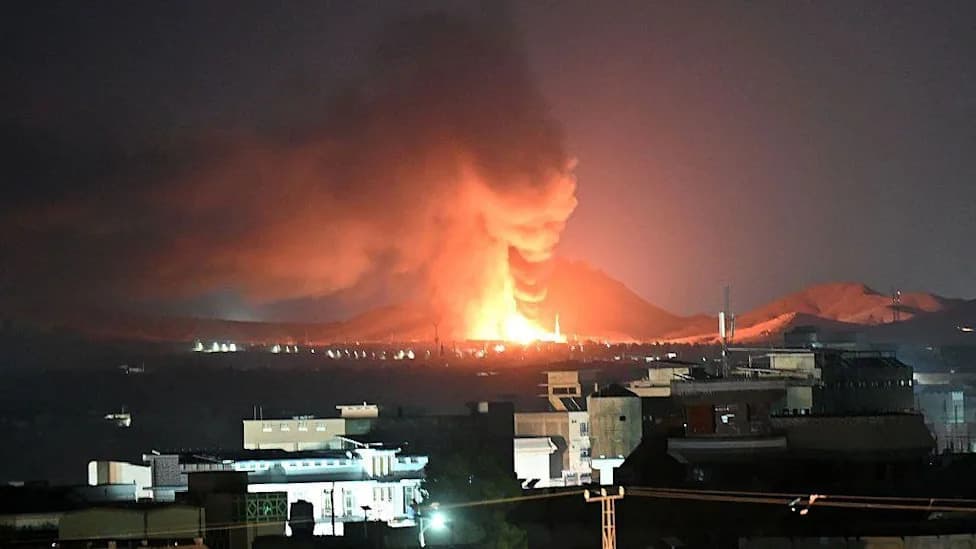
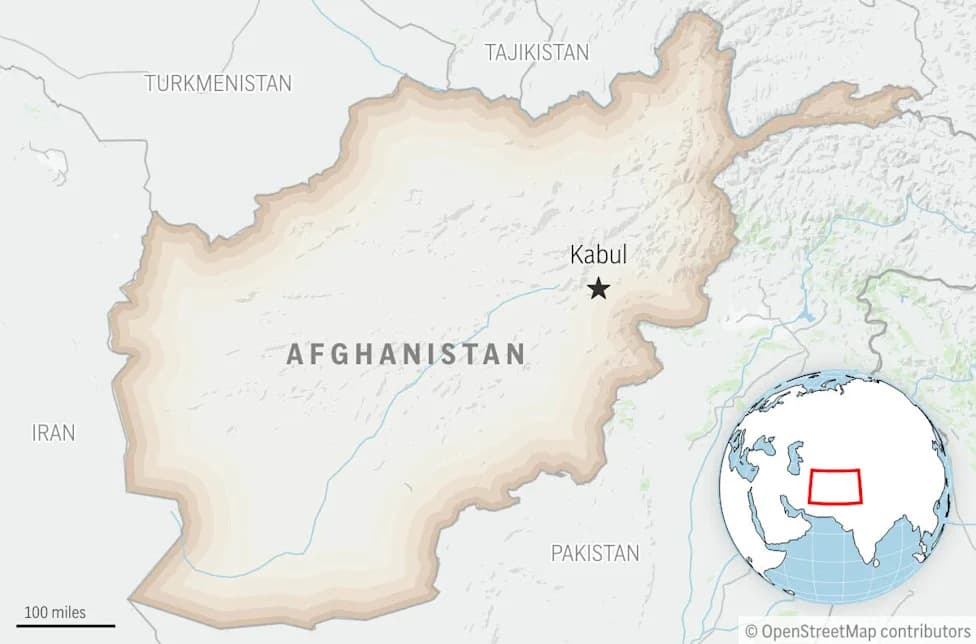
Tensions between Pakistan and Afghanistan surged after the Afghan Taliban government accused Pakistan of striking a drug rehabilitation centre and killing more than 400 people — an allegation Islamabad denies. With concerns about a wider escalation, this briefing compares the two sides' military capabilities using data from the London-based International Institute for Strategic Studies and reporting by Reuters.
Overview
Pakistan has invested heavily in modernising its armed forces and expanding its nuclear programme, largely aided by defence ties with China. By contrast, the Afghan Taliban's forces remain constrained by the movement's lack of international recognition, which limits access to spare parts, technical expertise and regular maintenance.
Personnel
Pakistan fields roughly 660,000 active military personnel: about 560,000 in the army, 70,000 in the air force and 30,000 in the navy. The Afghan Taliban's forces are estimated at around 150,000 active members — roughly one quarter the size of Pakistan's military.
Fighting Vehicles and Artillery
Pakistan possesses more than 6,000 armoured fighting vehicles and over 4,600 artillery pieces. The Taliban's ground units include a mix of Soviet-era main battle tanks, armoured personnel carriers and other armoured vehicles; some reports also note the use of autonomous underwater vehicles. Reliable public estimates of the Taliban's total fleet or artillery holdings are not available.
Air Power
Pakistan operates about 422 combat aircraft and more than 260 helicopters, giving it a significant conventional air advantage. Afghanistan effectively lacks a modern fighter fleet and does not have a conventional, fully functioning air force. It is believed to possess at least six fixed-wing aircraft — some dating from the Soviet era — and roughly 22 helicopters, though the number actually operational is unclear.
Drones and Asymmetric Capabilities
Reuters has reported that the Taliban have used drones to strike targets in Pakistan in recent months. The origin, scale and sophistication of those unmanned systems remain uncertain, but they add an unpredictable asymmetric element to cross-border tensions.
Nuclear
Pakistan is a declared nuclear-armed state and continues to invest in its nuclear programmes despite budgetary pressures. Afghanistan does not possess a nuclear arsenal.
Sources: International Institute for Strategic Studies (IISS); Reuters reporting.
Help us improve.