The Campaign for a Family Friendly Economy will spend $50 million to boost child and elder care as major midterm issues and to support Democratic candidates in targeted races. The group highlights rising child care costs—sometimes higher than housing payments—and stresses pressure on caregivers, including the "sandwich generation." The move follows prior federal action, including roughly $39 billion in 2021 child care aid and Republican expansions of tax credits, and arrives amid controversy over subsidy fraud claims.
A $50 Million Push Aims To Make Child Care A Central Midterm Issue
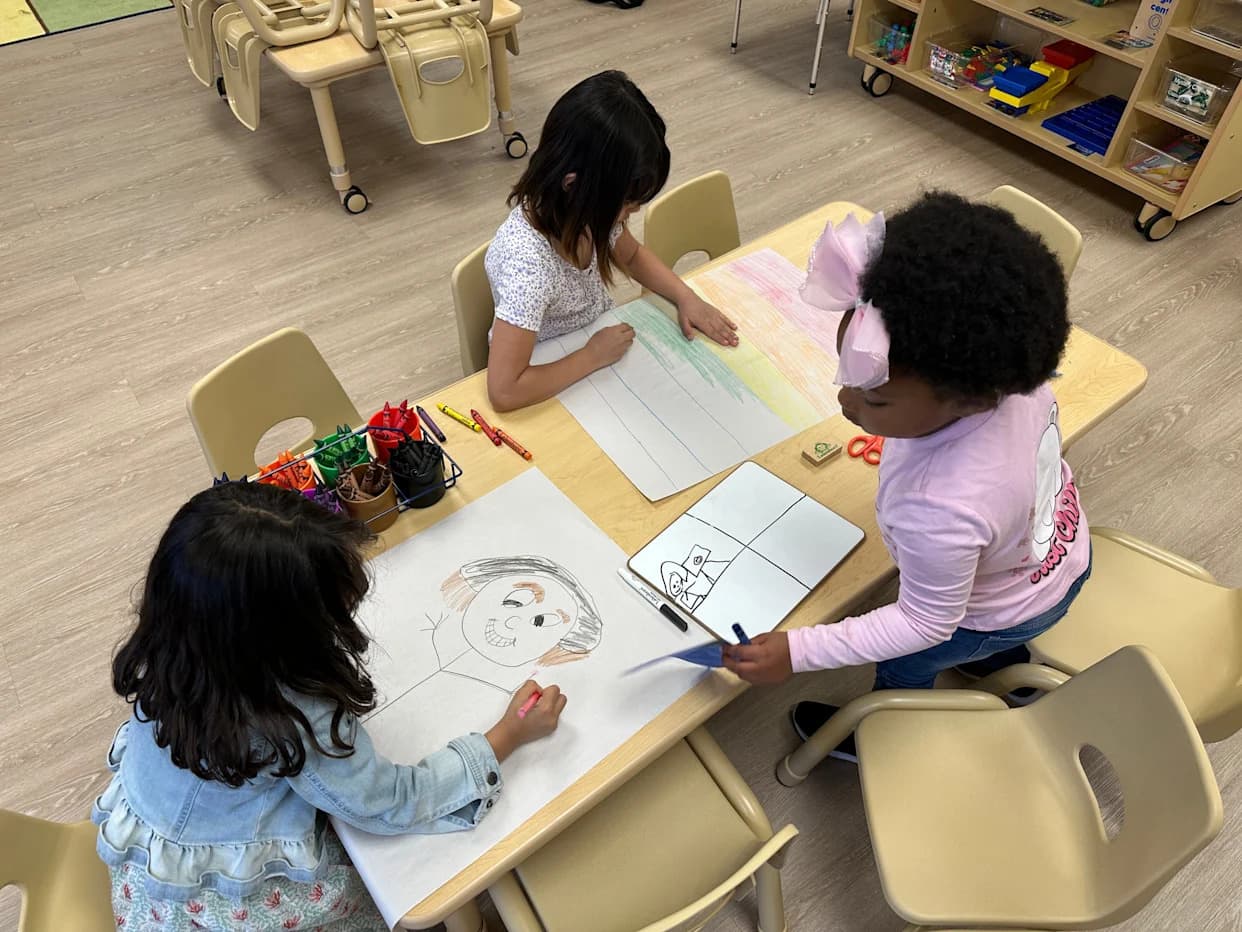
FILE - Children draw in one of the classrooms at the Children's Promise Centers child care center in Albuquerque, N.M., April 5, 2024. (AP Photo/Susan Montoya Bryan, File)(ASSOCIATED PRESS)
WASHINGTON — An advocacy group is launching a $50 million effort to elevate child and elder care as central issues in the upcoming midterm elections, backing Democratic congressional candidates and tying caregiving costs to the broader debate over affordability.
The Campaign for a Family Friendly Economy, founded about a decade ago, says soaring child care costs and growing waiting lists for federal subsidies make caregiving an urgent political issue. The group plans targeted spending in battleground Senate contests and outreach to voters in key House districts.
Where the Money Will Go
The group intends to concentrate resources on Senate races in North Carolina, Georgia, Michigan, Maine and Ohio, and on House contests in Iowa and Pennsylvania. In addition to advertising and direct support, organizers say they will deploy volunteers to talk with voters about the everyday challenges of caregiving.
Caregiving As An Affordability Issue
Sondra Goldschein, executive director of the campaign and its affiliated political action committee, emphasized that both child care and elder care should be part of conversations about household costs. "When child care can cost more than your rent or a mortgage, or you have to sacrifice a paycheck to take care of a loved one," Goldschein said, "that shapes how people vote. Each election cycle, more candidates recognize that."
"When child care can cost more than your rent or a mortgage... that shapes how people vote." — Sondra Goldschein
Goldschein also pointed to the strain on the “sandwich generation,” adults who simultaneously care for children and aging relatives, and noted the effort could resonate as families confront rising prices across the board, including higher gasoline costs tied to geopolitical tensions.
Policy Context And Political Responses
The group’s announcement comes amid a patchwork of recent federal activity on child care. In 2021, the Biden administration secured roughly $39 billion in child care funding that helped states expand support for families and subsidize wages for child care workers. Later that year, the president proposed a plan to create nationwide universal prekindergarten and to expand subsidies so no family would pay more than 7% of household income for care; that broader proposal ultimately failed in Congress.
Republicans have increasingly framed child care as an issue for workforce growth. Last year, through legislation dubbed by supporters as the "One Big Beautiful Bill," Republicans expanded eligibility for a child care tax credit to an estimated 4 million more families, increased assistance for military families and boosted tax incentives for employers who provide child care.
Campaigns And Candidates
Some candidates have made child care affordability a central campaign theme. New York City Council member Zohran Mamdani campaigned on promises to make the city more affordable, including support for universal child care. And several House Democrats, including Representatives Mikie Sherrill (New Jersey) and Abigail Spanberger (Virginia), have campaigned on expanding child care subsidies.
Other 2024 contenders pushing universal child care platforms include Janeese Lewis George (running for Washington, D.C. mayor) and Francesca Hong (seeking the governorship in Iowa). New York Gov. Kathy Hochul has also signaled support for expanding child care initiatives within the state.
Fraud Claims And Federal Oversight
The Trump administration has emphasized efforts to crack down on alleged child care subsidy fraud following a viral video that accused some centers in Minneapolis of billing for children they did not serve. While some prosecutions have occurred in subsidy-related cases, state inspectors found the primary claims in the Minneapolis video were inaccurate. The administration briefly attempted to freeze child care funding for Minnesota and several other states until a court ordered the funds released.
The National Republican Congressional Committee and officials at the White House and the Department of Health and Human Services did not immediately respond to requests for comment.
This $50 million campaign seeks to make caregiving costs a persistent political issue as voters weigh affordability and family support in the midterms.
The Associated Press contributes to coverage noted in this article; AP retains editorial responsibility.
Help us improve.