Paul Ehrlich (29 May 1932–13 March 2026) was an entomologist and environmental campaigner whose 1968 book The Population Bomb warned that population growth would outstrip food supplies and cause mass famine—predictions that did not come to pass. He remained a prominent and polarising figure: co-founding Zero Population Growth, teaching at Stanford, continuing entomological research and receiving major awards. His provocative warnings and sometimes extreme policy proposals left a complex legacy in conservation and public policy debates.
Paul Ehrlich, 1932–2026: Entomologist, Population Prophet and Controversial Environmental Voice
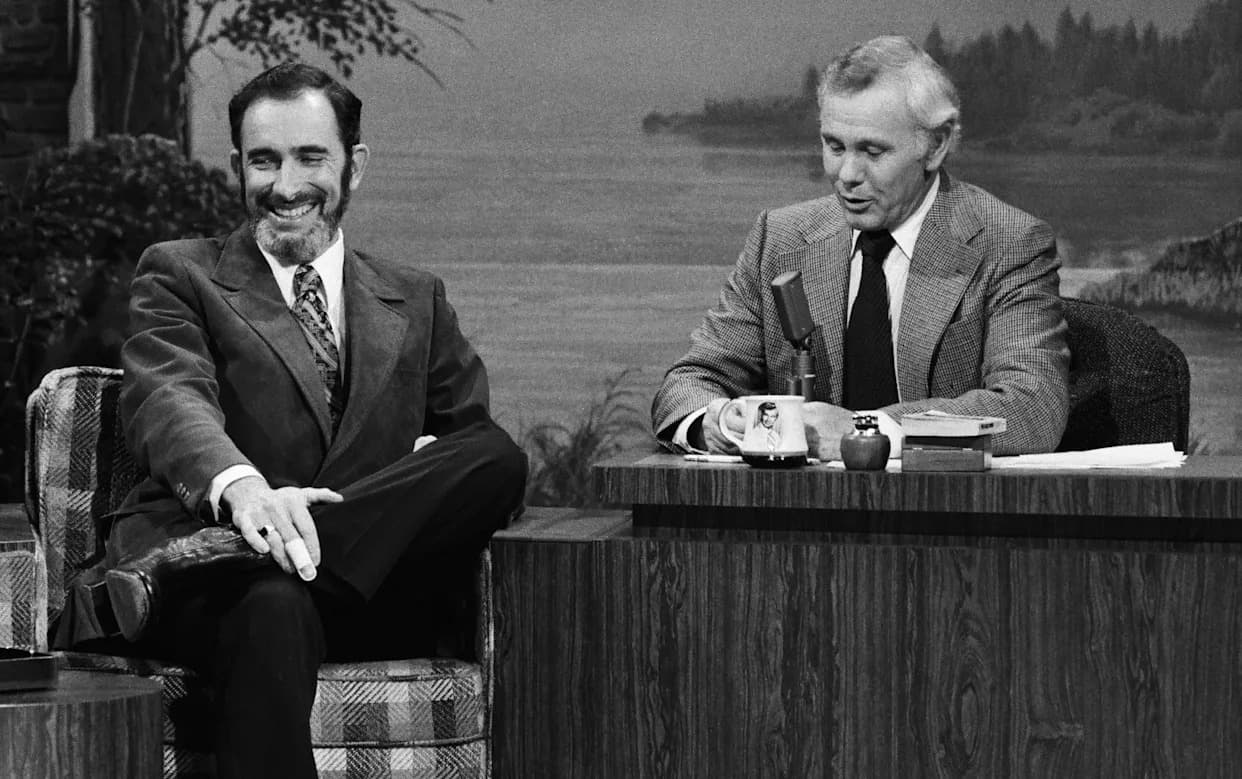
Paul Ehrlich, left, on Johnny Carson’s show in 1979: despite getting things so badly wrong, Ehrlich continued to be regarded as a guru by many in the environmental movement - Gene Arias/NBC
Paul Ralph Ehrlich, who died on 13 March 2026 aged 93, was a trained entomologist best known for his influential—and often disputed—warnings about human population growth. His 1968 book The Population Bomb argued that population would expand faster than the world's ability to feed it, forecasting widespread famine in the 1970s and 1980s. Those dire predictions did not materialise, but Ehrlich remained an important and polarising figure in environmental debate.
Population Predictions and Public Controversy
In The Population Bomb Ehrlich wrote bluntly:
"The battle to feed all of humanity is over. In the 1970s and 1980s hundreds of millions of people will starve to death..."He and his wife Anne expanded on his forecasts in The End of Affluence (1974), suggesting perhaps a billion or more deaths by the mid-1980s. Critics note that, while the global population grew from roughly 3.6 billion when Ehrlich became prominent to over eight billion today, famine deaths declined due to advances in agriculture, trade and technology.
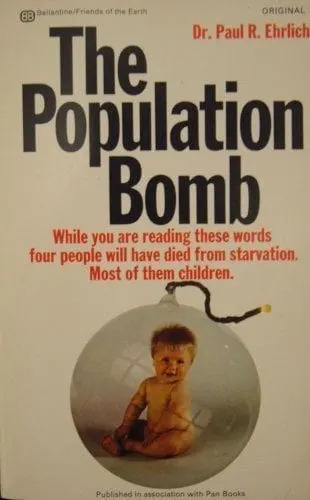
Ehrlich’s 1968 bestseller
One widely publicised episode was Ehrlich's 1980 wager with economist Julian Simon. Ehrlich bought $1,000 of five metals—tin, tungsten, copper, nickel and chrome—and agreed that if their combined value was lower in 1990 he would pay Simon the difference. Ten years later he mailed Simon a cheque for $576 after the metals fell in value, a symbolic defeat that is often cited in debates about scarcity and innovation.
Science, Advocacy and Controversial Proposals
Ehrlich began as an evolutionary biologist and entomologist: he studied butterflies and insect genetics, authored field guides and textbooks, and researched the ecology of species such as the checkerspot butterfly (Euphydryas). His scientific concern about biodiversity and the ecological effects of modern agriculture helped propel his public advocacy.
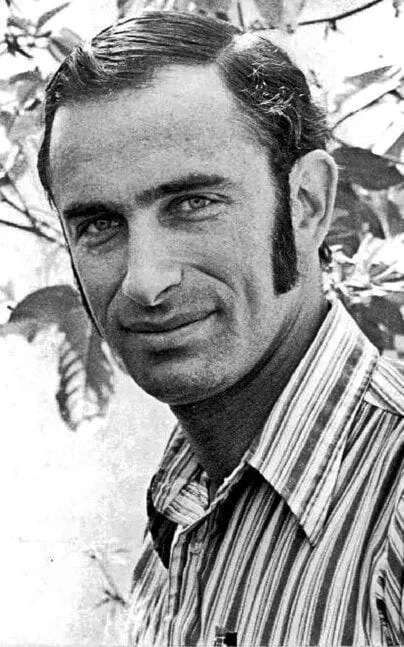
Ehrlich: on a visit to Britain in 1969 he said he would take ‘even money that England will not exist in the year 2000’
But his policy prescriptions were sometimes extreme and contentious. In The Population Bomb he wrote that population control might require compulsion if voluntary measures failed; he raised the hypothetical idea of putting contraceptives in the food supply (rejecting it as politically infeasible) and proposed ending food aid to nations he considered irresponsible. He also urged drastic measures such as sterilisation policies for heavily breeding populations—positions that attracted sharp criticism and ethical objections.
Institutional Work and Legacy
In 1969 Ehrlich helped found Zero Population Growth (now Population Connection), an advocacy group that promoted family planning and population awareness. He joined Stanford University's faculty in 1959, became professor of biology in 1966 and was appointed professor of population studies in 1977. He continued research in entomology and on biodiversity while also writing and advising on policy.
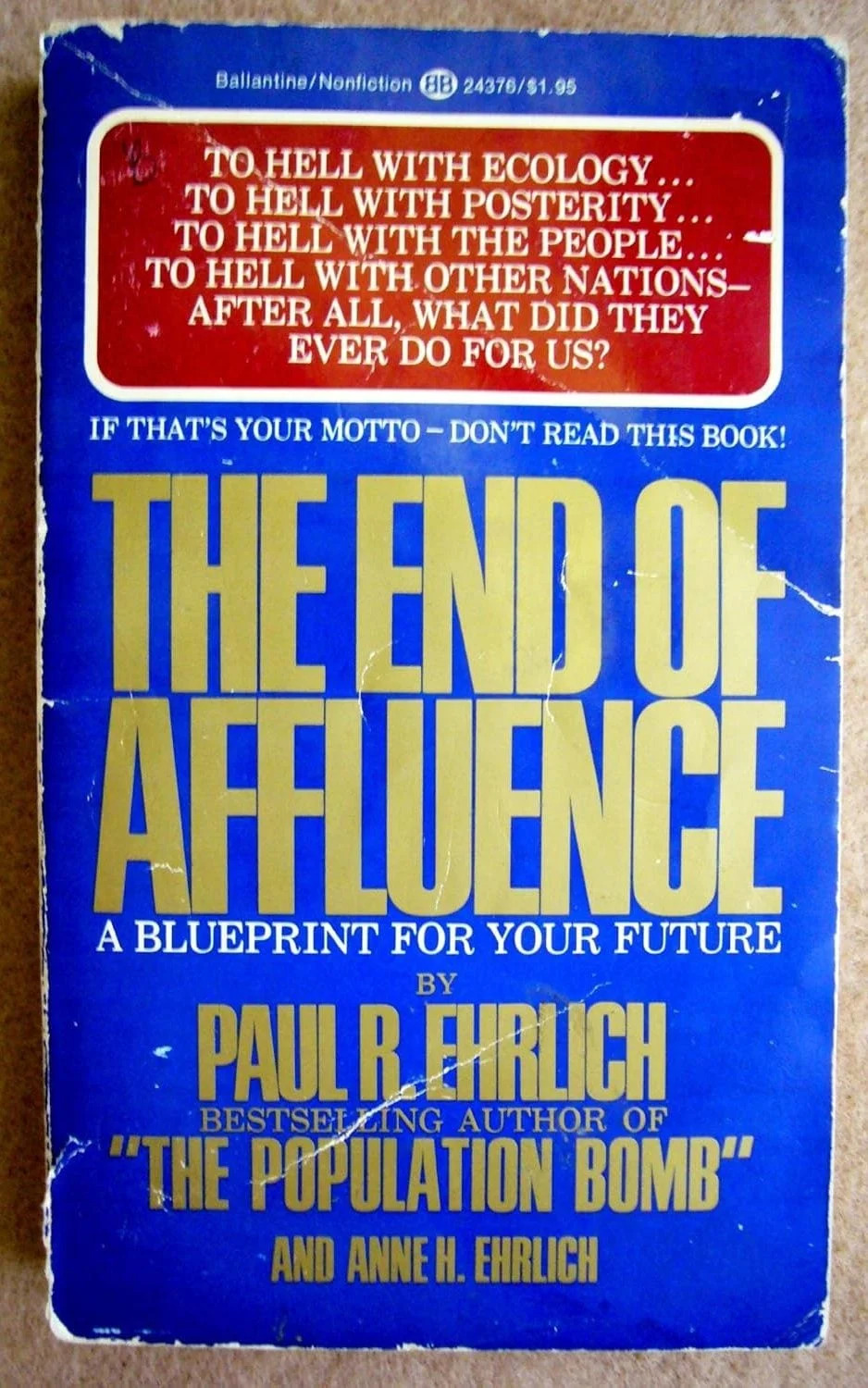
In The End of Affluence (1974), the Ehrlichs suggested that a billion or more people could die from starvation by the mid-1980s and that by 1985 the world would be in an era of scarcity
Ehrlich received many honours, including a MacArthur Foundation fellowship, a Heinz Award for the environment, the World Wildlife Fund Gold Medal and, jointly with Edward O. Wilson, the Crafoord Prize in biosciences in 1990. He was elected a Fellow of the Royal Society in 2012. Supporters praise his efforts to raise attention to environmental limits and biodiversity; critics argue that his repeated apocalyptic forecasts undermined credibility and gave sceptics ammunition.
Paul Ehrlich is survived by his wife and daughter. Born on 29 May 1932 in Philadelphia and raised in Maplewood, New Jersey, he combined rigorous scientific work with provocative public advocacy for more than half a century—shaping debate on population, conservation and environmental ethics even when his predictions proved incorrect.
Help us improve.