Colossal Biosciences uses ancient DNA and CRISPR to edit genomes of living relatives, claiming it has produced three pups described as "dire wolves" and is pursuing projects for woolly mammoths, dodos, thylacines and moa. The company argues this work can restore lost ecological functions and build new conservation tools, while critics warn of scientific overreach, ecological risk and moral hazard. Even if full "de‑extinction" remains controversial or impossible, the gene‑editing platform may deliver practical benefits such as restoring genetic diversity and disease protection for endangered species.
Can Scientists Really Bring Back the Dodo? Inside Colossal Biosciences’ Controversial Quest
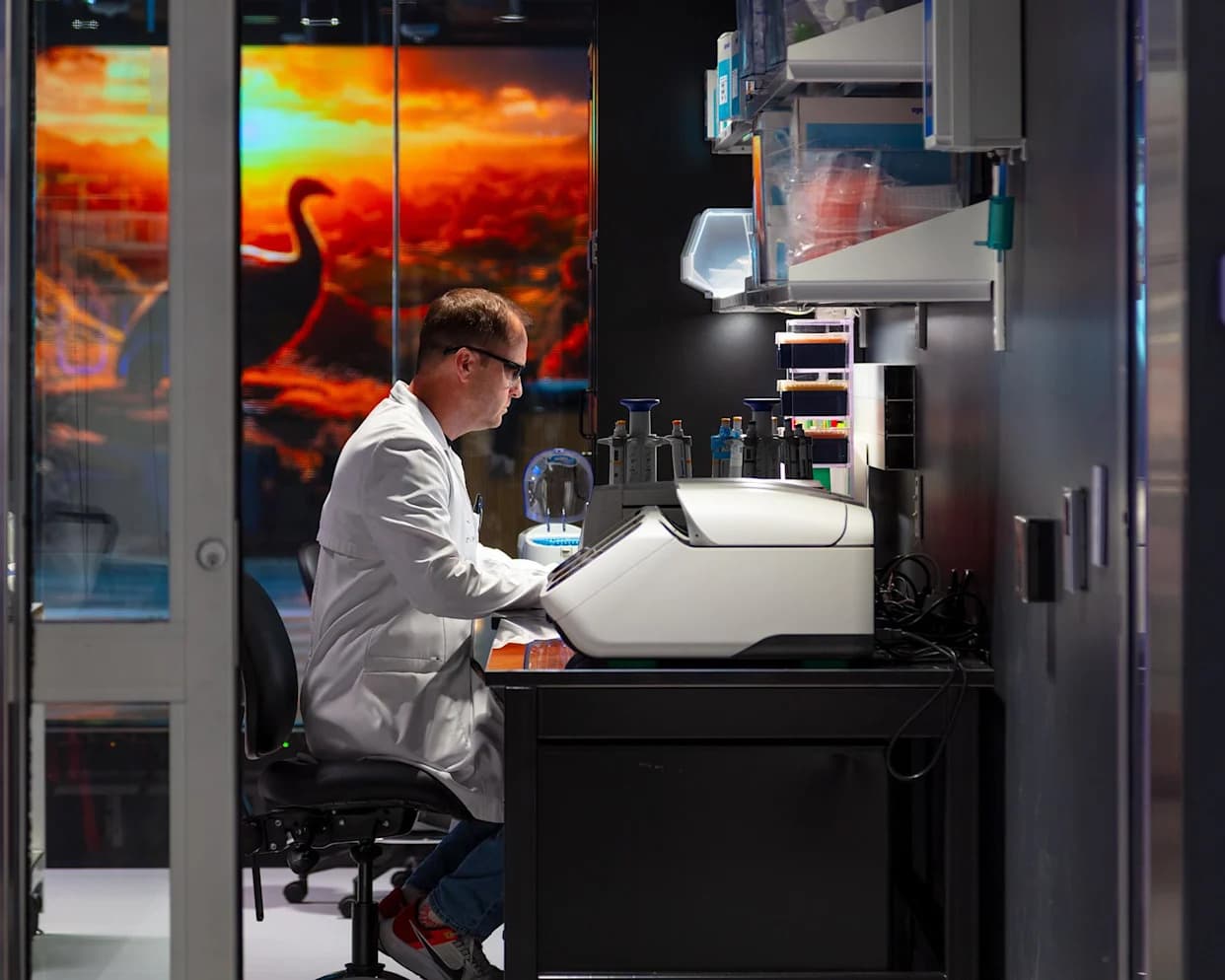
Colossal Biosciences’ next-gen sequencing lab, in an image provided by the company after not allowing photography in its building.Photograph: Courtesy of Colossal Biosciences(Photograph: Courtesy of Colossal Biosciences)
Can humans — and should they — restore species that vanished centuries or millennia ago? That question has moved from science fiction into a Dallas biotech campus, where Colossal Biosciences is attempting to revive long‑lost animals using ancient DNA and gene editing.
Valued at about $10.2 billion after raising hundreds of millions from investors including Tiger Woods, Paris Hilton and filmmaker Peter Jackson, Colossal has drawn intense attention and debate. The company announced last year that it produced three pups it describes as “de‑extinct” dire wolves — a species absent from the planet for more than 10,000 years — and it says programs for woolly mammoths, dodos, thylacines and moa are underway.
How Colossal’s Approach Works
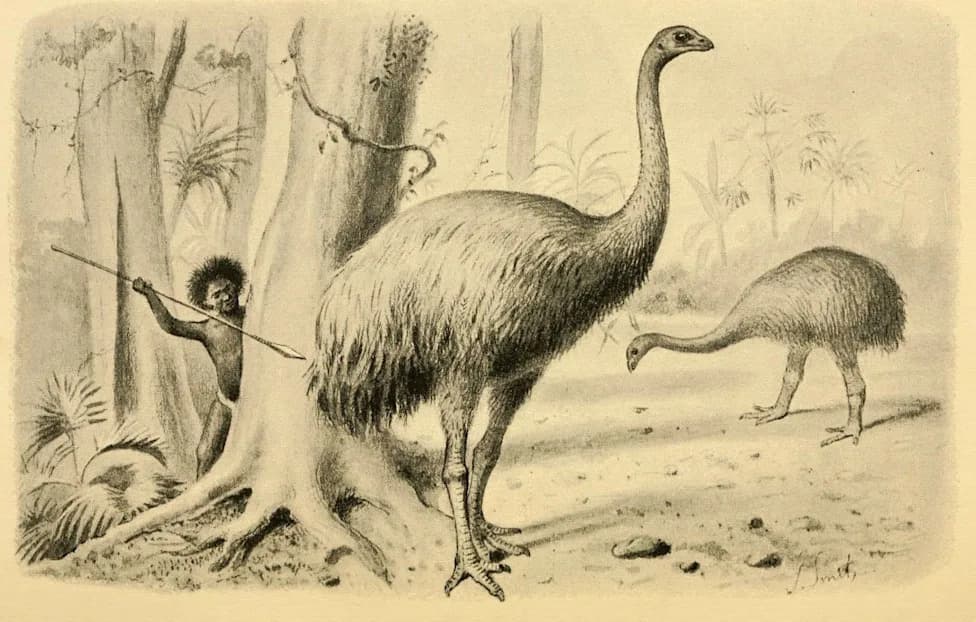
Colossal’s teams isolate fragments of ancient DNA from fossils, map differences to modern relatives, and use CRISPR and related technologies to edit the genomes of living species. For the animals the company labels as dire wolves, it reports editing 14 genes out of roughly 19,000 gray wolf genes to produce pups that are larger, paler and more cold‑adapted than typical gray wolves. For birds such as the dodo and moa, researchers are cultivating primordial germ cells from close relatives (pigeons for dodos; emus for moa) and working with eggs and embryonic techniques.
Technical Hurdles and Biological Limits
Not all projects are equally feasible. Birds cannot be cloned in the same way many mammals can, making avian efforts technically challenging. Restoring a thylacine-like animal is complicated because its closest living relative, the small fat‑tailed dunnart, differs dramatically; scientists estimate that recreating thylacine traits could require extremely large numbers of edits and years of work. The company has also experimented with mammoth traits in mice and plans to use Asian elephants as surrogates for mammoth‑like animals — a choice that prompts serious ethical and logistical questions.
Scientific and Ethical Debate
Colossal’s announcements have provoked both excitement and skepticism. Critics argue the firm has produced genetically modified modern animals rather than true replicas of extinct species. Vincent Lynch, an evolutionary developmental biologist, and others contend that changing a handful of genes cannot recreate full species identity or behavior. Colossal’s leaders counter that their work is a pragmatic form of ‘de‑extinction’ — a gateway to conservation tools rather than literal resurrection.
Beyond taxonomy, there are real ecological risks. Reintroducing large or unfamiliar animals to contemporary landscapes could cause unexpected impacts on ecosystems and people: mammoths in Arctic regions could present safety, management and habitat‑compatibility challenges, while reintroducing island birds like dodos would face the changed contexts that drove past extinctions, such as invasive predators.
Policy, Conservation and the Risk of Moral Hazard
Some conservationists warn of a moral hazard: if de‑extinction becomes perceived as a safety net, it may weaken incentives to protect habitats and existing endangered populations. Colossal says its mission complements habitat protection and offers tools to restore genetic diversity, produce vaccines, and engineer resistance to introduced toxins — practical applications that could help critically small or threatened species.
Practical Applications and Business Strategy
Colossal emphasizes pragmatic uses of its platform: increasing genetic diversity in species like the red wolf, developing vaccines for Asian elephants, and engineering resistance to cane‑toad toxins in Australian quolls. The company has also spun off several startups aimed at broader applications, from pollution solutions to national‑security technologies.
Publicity, Culture and Conservation Messaging
High‑profile PR — including naming the three pups Romulus, Remus and Khaleesi and celebrity investors staging photo moments — has amplified public interest but also magnified scrutiny. Some scientists welcome the attention for raising awareness of biodiversity loss; others worry sensationalism distracts from urgent conservation actions such as habitat protection, invasive‑species control and legal safeguards.
Where This Leaves Us
Colossal’s work sits at the intersection of cutting‑edge biotechnology, conservation ambition and cultural spectacle. Whether its lab‑edited animals will function ecologically, how they should be named, and what regulatory and ethical frameworks must govern their use remain contested. Even if true “resurrection” of extinct species proves impossible, the technologies being developed may still yield valuable conservation tools — provided they are applied thoughtfully, transparently and alongside strong habitat‑protection measures.
Bottom line: Colossal’s vision is audacious and polarizing. It may expand conservation toolkits, but it also raises pressing scientific, ethical and policy questions that demand public debate and robust regulation.
Help us improve.