Rachida Dati, 60, is challenging two decades of left-wing rule in Paris, campaigning on cleanliness, public safety and stronger municipal policing. Her main opponent is Emmanuel Grégoire, Hidalgo's deputy, who promises more bike lanes, parks and affordable housing. The race is tight in polls, and candidates must secure at least 10% in the first round to reach runoffs on March 22. Dati faces a September trial over alleged payments she denies.
Tight Race for Paris Mayor: Right-Wing Rachida Dati Challenges Left After Two Decades

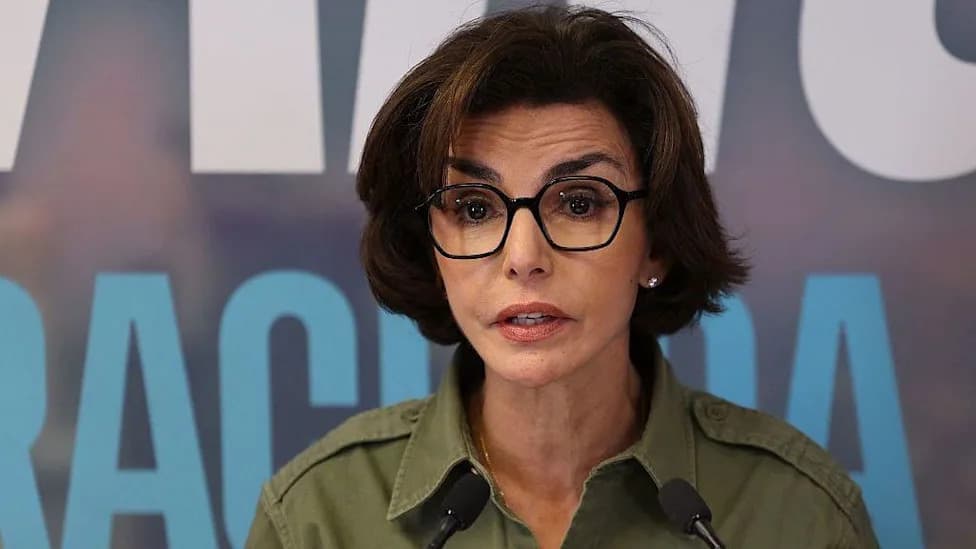
The race is looking tight in Paris between Rachida Dati and Emmanuel Gregoire (JOEL SAGET)(JOEL SAGET/AFP/AFP)
Rachida Dati, a former culture and justice minister, has mounted a high-profile bid to become Paris's next mayor, challenging two decades of left-wing leadership as municipal elections begin this weekend. The campaign has focused on public safety, waste collection and housing—issues that have tightened the race ahead of the first round of voting.
Candidates and Campaigns
Dati, 60, seeks to succeed Socialist Anne Hidalgo, 66, who is stepping down after two terms. Hidalgo’s administration is credited with expanding bike lanes, reducing central-city traffic and helping make the Seine swimmable again ahead of the 2024 Olympics. A regional study cited in the campaign says nitrogen dioxide levels fell by roughly 40% across the Paris region between 2012 and 2022.
Dati has invested heavily in her campaign and promises a cleaner, safer Paris: she has vowed seven-day-a-week street cleanliness, tougher law-and-order measures including arming municipal police, and expanded video surveillance. She faces a scheduled trial in September over accusations she accepted €900,000 from a Renault-Nissan subsidiary while she was a member of the European Parliament—charges she denies.
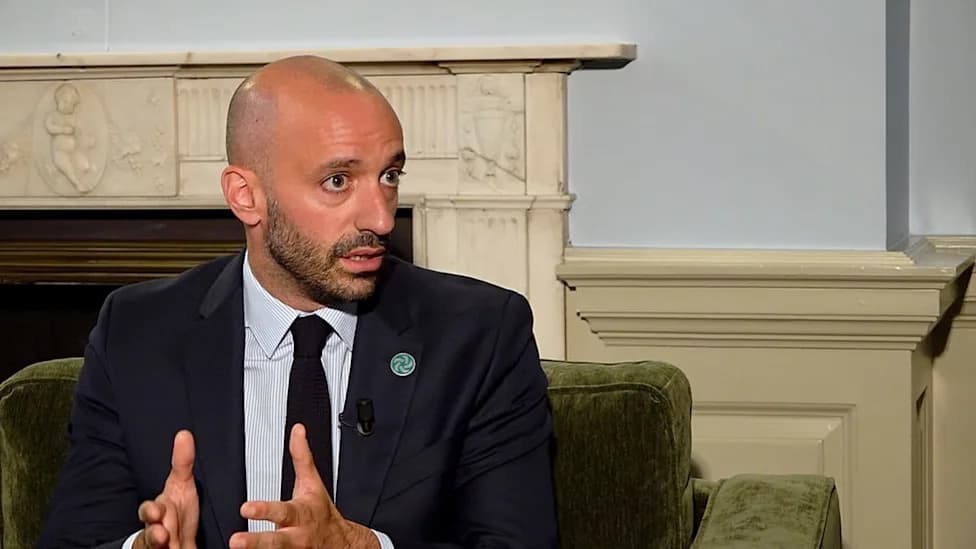
Her principal rival is Emmanuel Grégoire, 48, Hidalgo’s deputy. Grégoire is campaigning to extend bike lanes, create more parks and green pedestrian routes, and improve social housing in a city of roughly 2 million residents where rents are often unaffordable. He has also pledged to strengthen training and oversight for school monitors after allegations of abuse involving some kindergarten children.
Polls, Process and Other Contenders
Pollster Ipsos BVA describes the contest as tight, saying Paris could swing to the right. To advance to the second round, candidates must win at least 10% of the vote in the first round and then build alliances for the runoff a week later on March 22. Besides Dati and Grégoire, polls indicate other credible contenders include centre-right Pierre-Yves Bournazel, hard-left Sophia Chikirou and far-right Sarah Knafo.
“Paris could well swing to the right,” said Mathieu Gallard of IPSOS BVA. “The race right now looks tight,” he added, noting voters’ appetite for change but also the city’s recent tendency to favor left-leaning candidates.
Why It Matters
The mayoralty of Paris is both a prestigious local office and a platform with national resonance: past holders have used the post as a springboard for higher office. Voters will weigh Dati’s law-and-order promises and high-visibility campaign against Hidalgo’s environmental and mobility legacy, while also considering unresolved concerns about safety, cleanliness and public transport.
Key dates: First-round voting begins Sunday; runoffs are scheduled for March 22. The outcome will shape Paris’s priorities on mobility, public order and urban planning for years to come.
Help us improve.