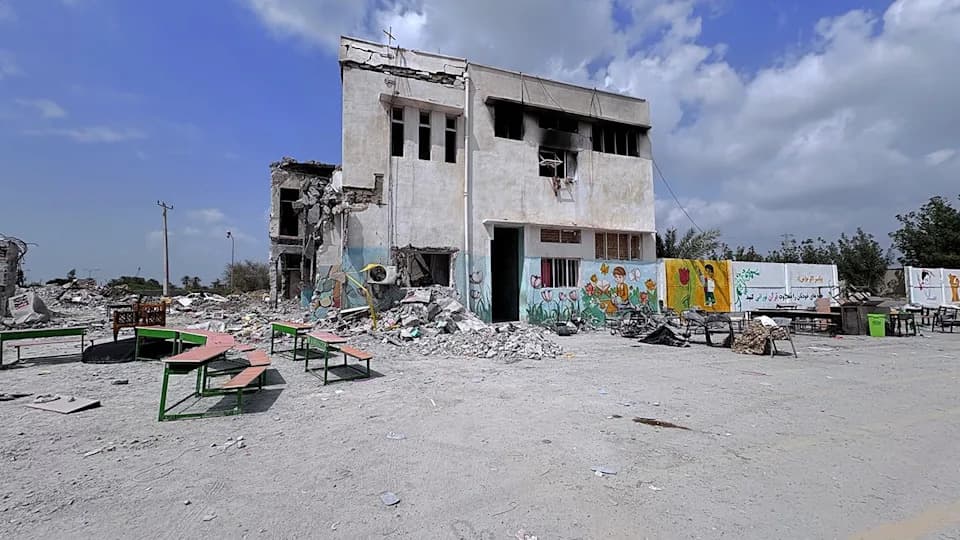
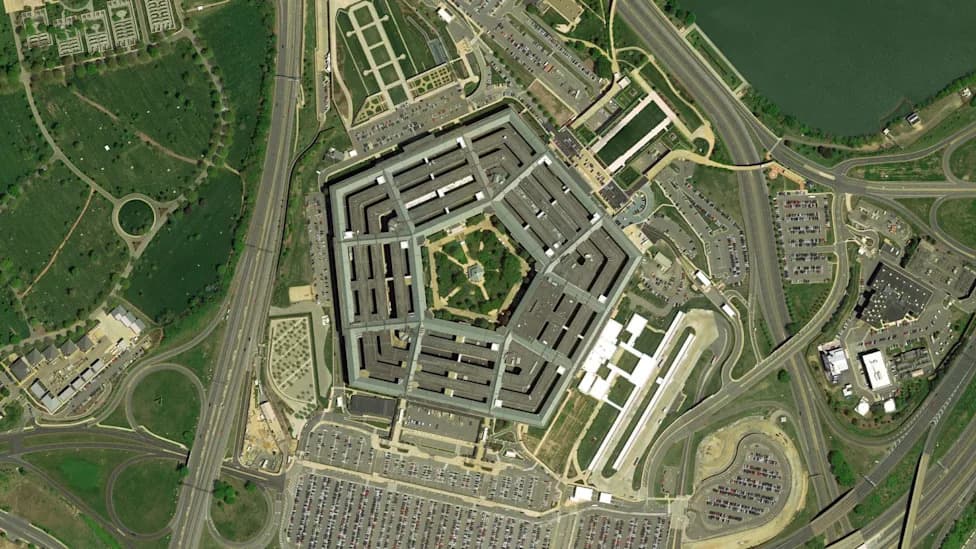
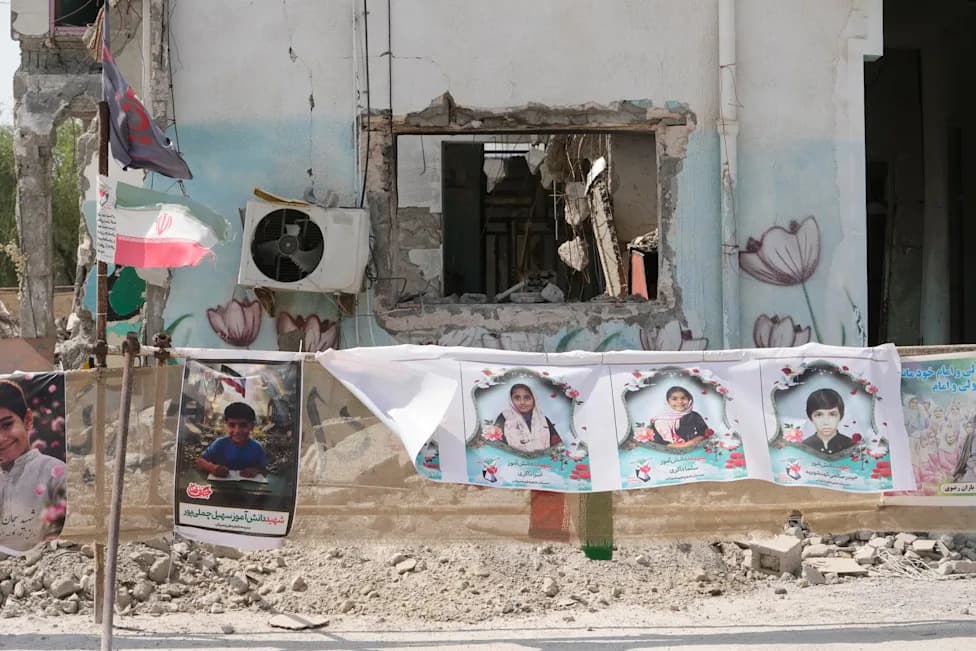
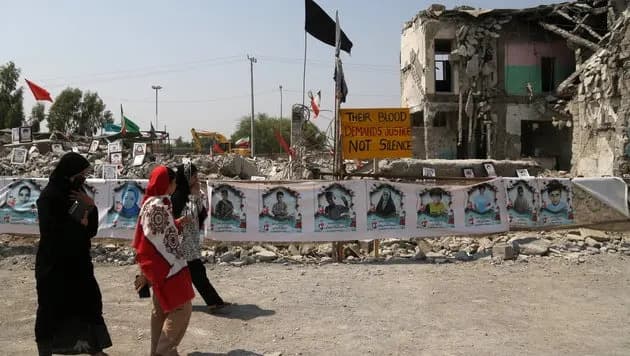
The Pentagon has launched a formal command investigation into the Feb. 28 strike in Minab, Iran, where Iranian officials say a school adjacent to an Islamic Revolutionary Guard Corps (IRGC) naval facility was hit and dozens of children were killed. CENTCOM has appointed a senior officer from outside the command to lead the review as questions about responsibility, targeting and intelligence grow.
Investigation and Official Statements
At a Pentagon briefing, officials said CENTCOM "has designated an investigating officer to complete a command investigation," adding that the lead investigator is a general officer. "The command investigation will take as long as necessary to address all the matters surrounding this incident," the official said.
US Secretary of Defense Pete Hegseth looks on during a joint press conference with Admiral Charles Bradford "Brad" Cooper II, Commander of US Central Command, at US Central Command (CENTCOM) headquarters at MacDill Air Force Base in Tampa, Florida, on March 5, 2026.
"There’s only one entity in this conflict, between us and Iran, that never targets civilians, literally never targets civilians. We will investigate. We’ll get to the truth and we’ll share it when we have it."
CENTCOM has declined to confirm whether U.S. forces fired the weapon, saying it would be inappropriate to comment while the incident is under investigation. Preliminary reporting in The New York Times cited U.S. officials who said the strike was likely carried out by American forces, but the Pentagon has reiterated that the probe is ongoing and operational responsibility has not been confirmed publicly.
Claims, Casualty Figures and Verification
Iranian authorities have reported between 168 and 180 fatalities — the majority said to be girls aged 7–12 — along with teachers and parents. These casualty figures have not been independently verified. Open-source imagery analysts and local reporters have noted discrepancies between the reported death toll and visible evidence, including the number of newly dug graves.
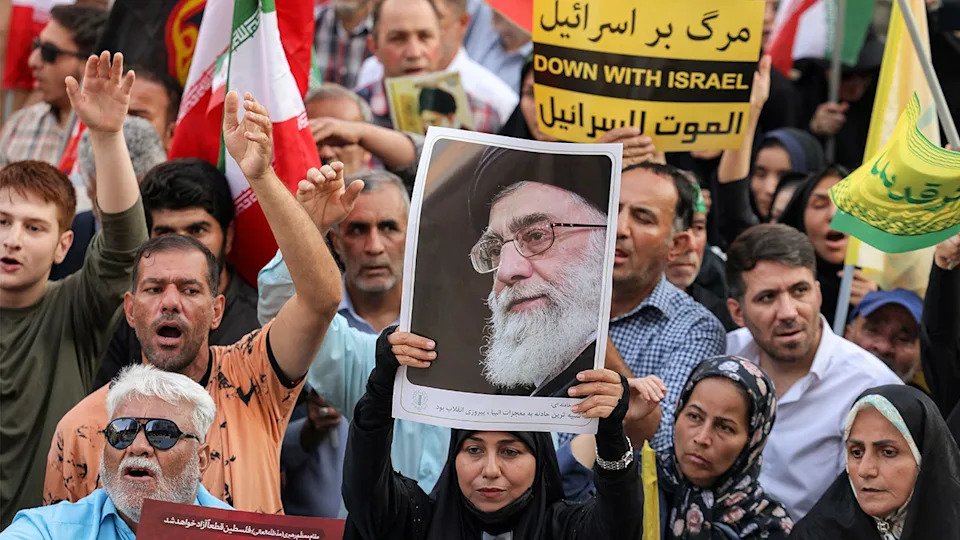
A demonstrator holds a picture of Iran's Supreme Leader Ayatollah Ali Khamenei during a rally in Tehran in solidarity with the government against Israel's attacks and to mark Eid al-Ghadir. (Atta Kenare/Getty Images)
Munition Forensics and Open-Source Analysis
Video, satellite imagery and reported fragments have fueled speculation about the type of munition involved. Some open-source investigators say the evidence points to a long-range cruise missile similar to a Tomahawk — a weapon fielded by the United States and a small number of allies. Other commentators have proposed alternate explanations, including Iranian-made cruise missiles or electronic warfare that could affect guidance.
Expert Assessments: How Such Tragedies Happen
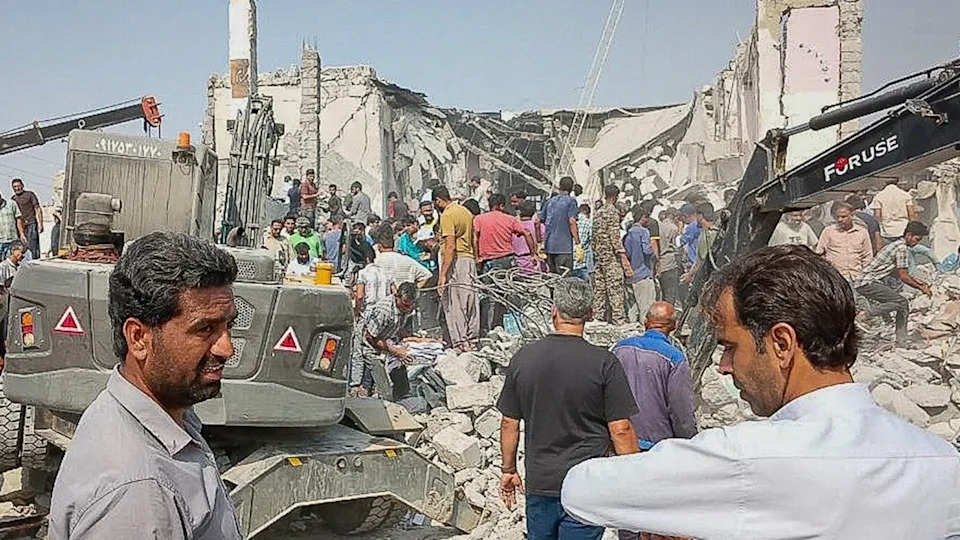
This picture obtained from Iran's ISNA news agency shows the site of a strike on a girls' school in Minab, in Iran's southern Hormozgan province, on Feb. 28, 2026.
Experts interviewed for this story identified three broad categories that commonly explain civilian deaths after precision strikes: intelligence failures, technical malfunctions and human error. Former targeting and intelligence officials stressed that target packages typically draw on multiple intelligence streams (human, technical, geospatial and open-source) to achieve high confidence that a structure is a legitimate military objective.
Retired leaders and former civilian-harm advisers urged caution until the investigation concludes, noting that U.S. targeting doctrine includes legal review and collateral-damage assessments. At the same time, some former Pentagon advisers warned that the department's civilian-protection and harm-mitigation enterprise was scaled back in 2025, reducing dedicated staff who advise on targeting and post-strike assessments.
Context and Precedent
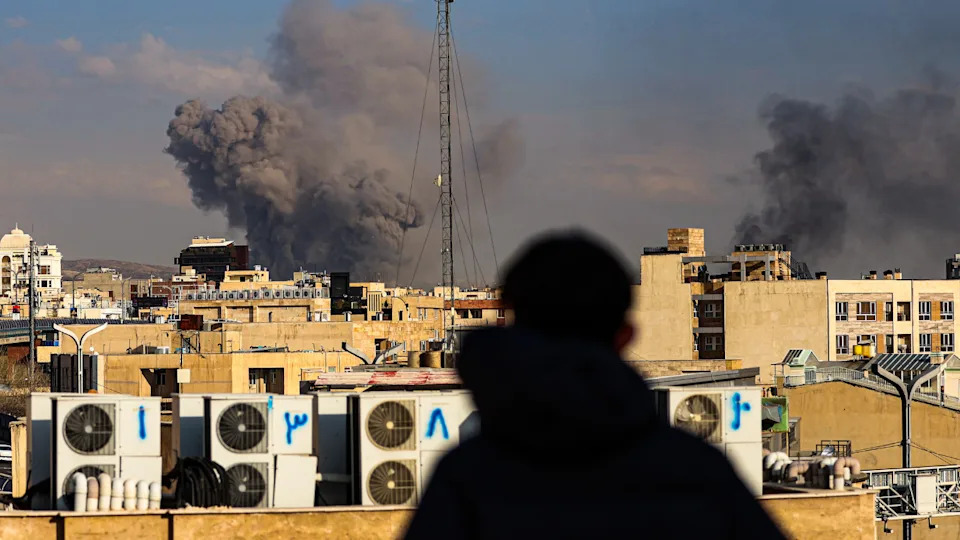
Tehran with smoke visible in the distance after explosions were reported in the city, on March 2, 2026, in Tehran, Iran.
The proximity of the Shajareh Tayyebeh primary school — reported in open-source imagery at roughly 600 meters from an IRGC naval facility — underscores how closely civilian and military infrastructure can be situated. If U.S. forces are found responsible and investigators identify negligence or procedural failures, the U.S. military has precedent for accountability. For example, a U.S. investigation of the 2015 Kunduz hospital strike found that errors and procedural breakdowns led to a tragic, avoidable outcome and resulted in administrative actions.
What Comes Next
The CENTCOM-led command investigation is ongoing. U.S. officials say they will disclose findings when appropriate. In the meantime, the incident has intensified scrutiny of targeting practices, intelligence quality and the risks posed to civilians in or near military facilities during high-intensity operations.