
On day 14 of the US–Israel conflict with Iran, strikes across the region have driven up human and economic costs. Six US crew members died in a refueling-tanker crash in western Iraq, and Iranian and Lebanese authorities report nearly 2,000 fatalities since the fighting began. Officials claim joint US–Israeli strikes have severely degraded Iran’s missile and drone capabilities, while Brent crude topped $100 per barrel amid fears for maritime security in the Strait of Hormuz.
Day 14: US–Israel Conflict With Iran — Toll Rises, Strait Of Hormuz Threatened, Oil Tops $100
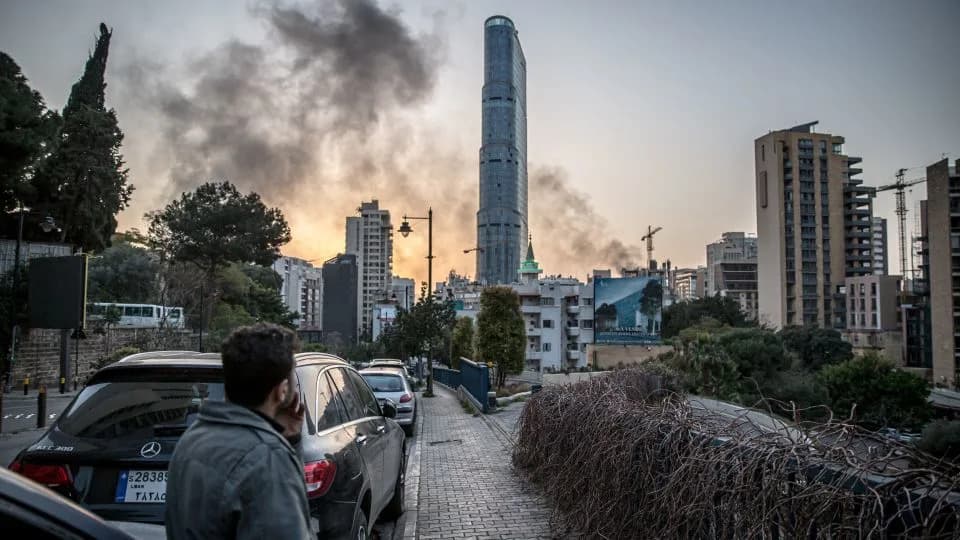
A man looks at the aftermath of an airstrike in Beirut, Lebanon. - Sally Hayden/SOPA Images/Sipa USA/AP
Nearly three weeks into the conflict involving the United States, Israel and Iran, the human and economic costs continue to rise with little sign of immediate de-escalation. Iran’s newly identified supreme leader warned the Strait of Hormuz would be kept closed as a pressure tool, while strikes and counterstrikes spread across the region.
Human Cost and Key Incidents
Fatal tanker crash: The US military confirmed that six crew members aboard a US Air Force refueling tanker were killed when the aircraft crashed in western Iraq. Officials said the crash was not blamed on hostile or friendly fire and involved a second US tanker in the incident.
Rising casualties: Iranian and Lebanese authorities report nearly 2,000 deaths since the conflict began, with additional fatalities and injuries reported elsewhere across the region.
Military Claims and Strikes
Damage assessments: US Defense Secretary Pete Hegseth said joint US–Israeli operations have substantially degraded Iran’s military capabilities, claiming strikes on "over 15,000 enemy targets" and a dramatic reduction in reported missile and drone volumes. These figures are official statements and reflect participating governments' assessments.
Strikes and explosions: Explosions were reported in central Tehran near large Al Quds Day gatherings, with Iranian state-affiliated media reporting at least one civilian fatality. Israel said it expanded strikes on targets linked to Iran’s paramilitary forces and increased operations against Hezbollah in Lebanon, including strikes around Beirut. Mass evacuation orders in parts of Lebanon could displace more than 1 million people within days, experts warn.
Regional Interceptions and Attacks
Maritime and air threats: At least 16 vessels — including oil tankers and cargo ships — have been attacked in and around the Strait of Hormuz, the Arabian Gulf and the Gulf of Oman since the conflict intensified, according to the UK’s maritime agency. Gulf states and NATO reported multiple interceptions: air defenses in the UAE and Saudi Arabia and NATO systems over Turkey intercepted incoming projectiles and missiles.
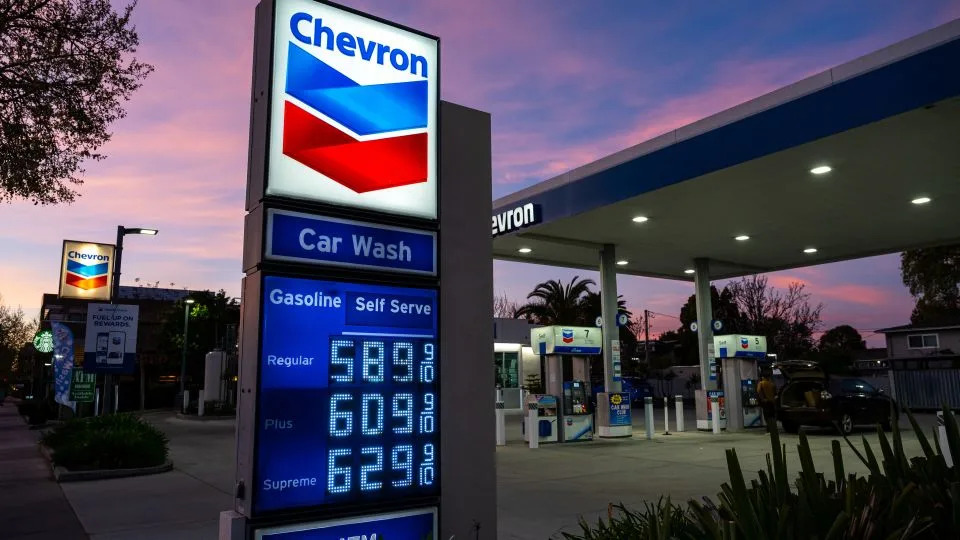
A sign displays the prices of unleaded gasoline at a Chevron gas station in Palo Alto, California, on Tuesday, March 10, 2026. - David Paul Morris/Bloomberg/Getty Images
Threats from Tehran: A written message read on state television and attributed to Mojtaba Khamenei — described as his first as Iran’s new supreme leader — warned that the Strait of Hormuz would remain closed as a tool of pressure; Iran’s UN ambassador provided a different account hours later. The Islamic Revolutionary Guard Corps (IRGC) cautioned it could target regional energy infrastructure if Iranian ports or energy sites are attacked.
Economic Fallout
Energy markets: Brent crude settled above $100 per barrel for the first time since 2022 amid heightened supply risk. On the same day, the US issued a license allowing certain countries to purchase specified Russian oil products; analysts say that decision and the wider conflict could reshape energy flows and political alignments. Goldman Sachs revised its oil-price outlook for 2026 upward in response to market uncertainty.
Political response: European leaders criticized the US move to ease some restrictions on Russian oil temporarily, warning it could benefit Moscow amid its war in Ukraine. Ukrainian and European officials urged vigilance to prevent the Iran conflict from weakening support for Ukraine.
Notable Other Developments
Attacks on coalition forces: French President Emmanuel Macron said one French soldier was killed and several were wounded in a drone attack in Iraqi Kurdistan that struck a base near Erbil hosting Kurdish and international forces. An Iran-backed militia later threatened further attacks on French interests.
US political and military posture: President Donald Trump said tanker crews should "show some guts" in navigating the Strait of Hormuz and added the United States could provide military escorts for vessels if necessary. US officials, including the Energy Secretary, said the Navy is not yet prepared to provide widespread escort operations on short notice. Separately, sources familiar with planning told reporters that the Pentagon and National Security Council had underestimated Iran’s willingness to close the Strait of Hormuz in response to strikes.
Oversight: A key US Senate chairman is planning a public oversight hearing on the conflict, calling senior Department of Defense officials to testify. To date, congressional scrutiny has largely been handled in classified briefings.
Note: Where figures or operational claims are reported, this article attributes them to the officials or state media that provided them. Independent verification may be limited in active conflict zones.
Help us improve.





















