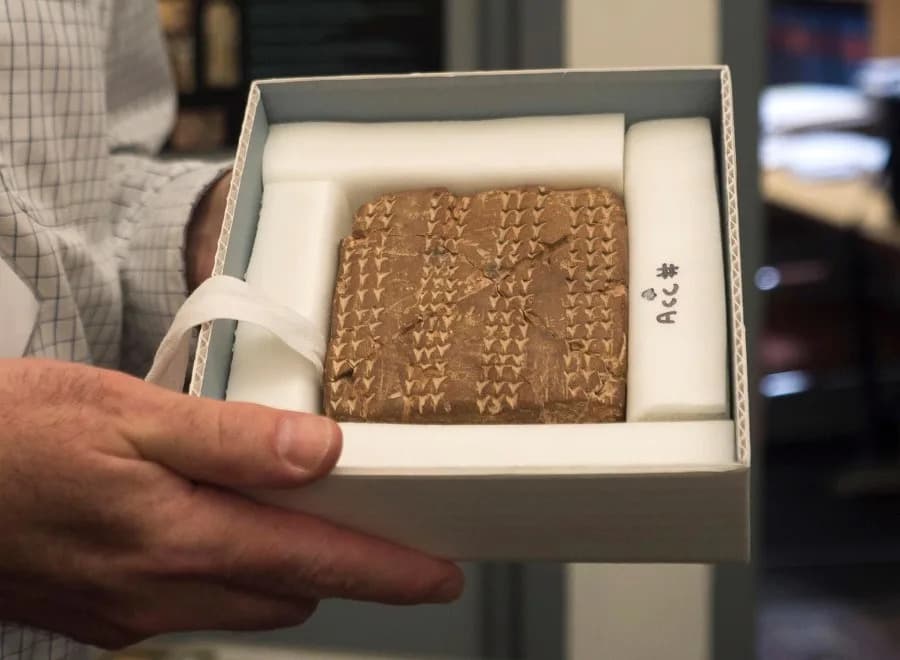
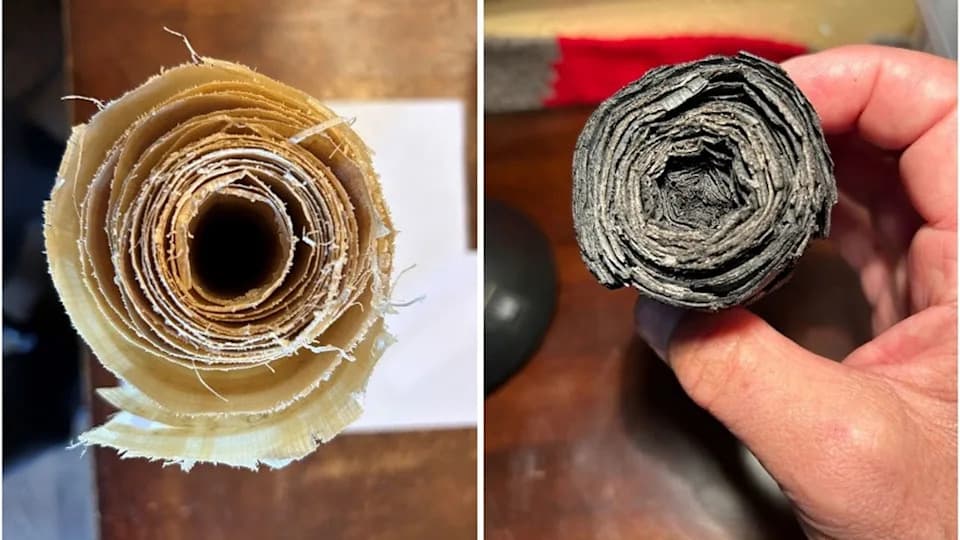
A ninth-century copy of an Archimedes treatise on the volume of spheres has been rediscovered in a French museum after being missing since World War I. The manuscript offers scholars a rare primary link to Archimedes’ geometrical work and the medieval transmission of classical texts. Conservators will authenticate and digitize the document, enabling fresh study and broader access.
Lost for a Century: Ninth-Century Archimedes Treatise Rediscovered in a French Museum
A previously lost ninth-century copy of a treatise by the ancient Greek mathematician Archimedes has been rediscovered in a museum in France, returning a rare primary source of classical mathematical thought to modern scholars.
Why This Discovery Matters
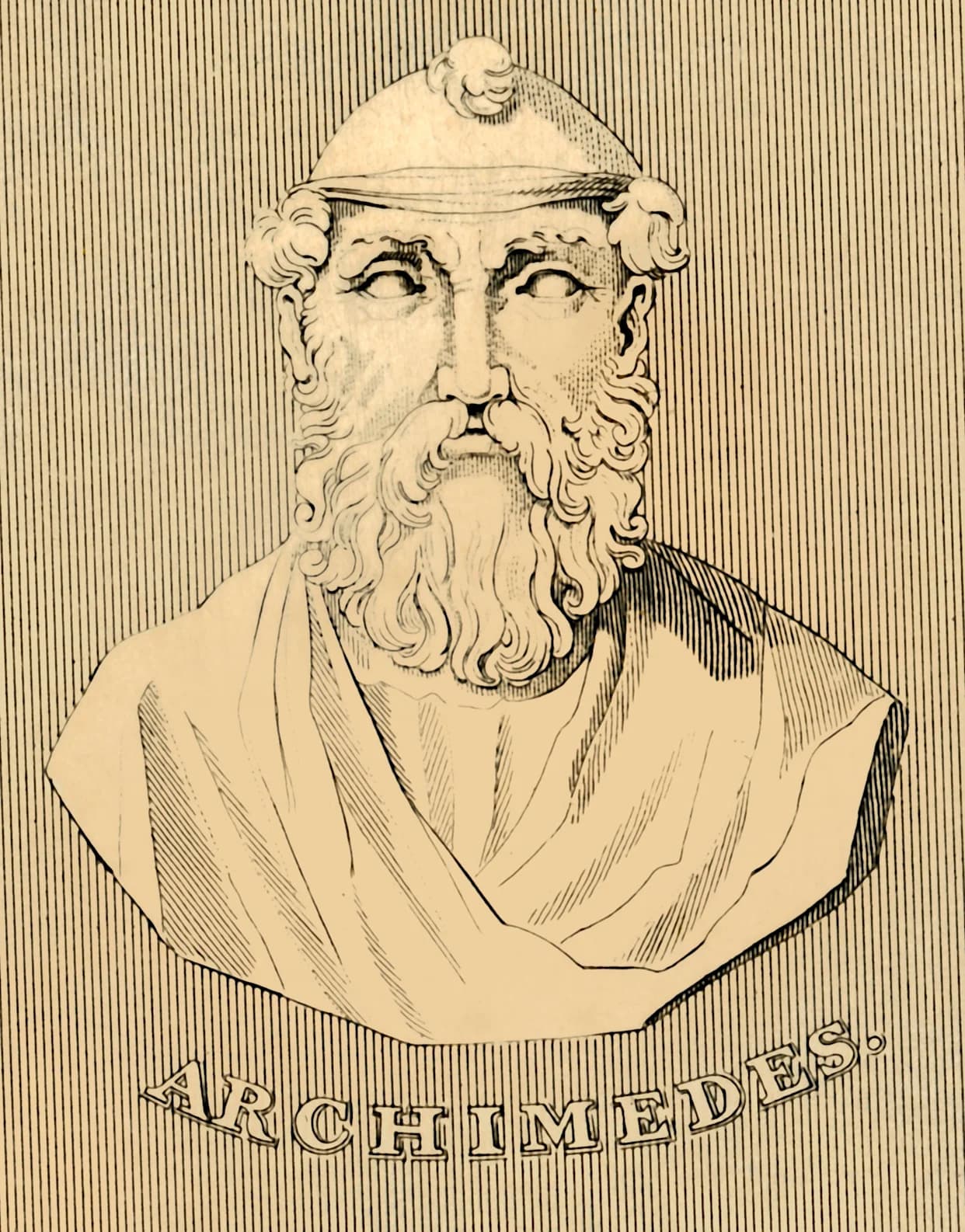
Archimedes (c. 287–212 BCE) is celebrated for foundational work in geometry, mechanics and hydrostatics. He is famously associated with the exclamation "Eureka!" after realizing how water displacement could measure an object's density — a method used to test whether a crown was pure gold. He is also credited with inventing the Archimedes screw for moving water and devising techniques to approximate π.
The recovered manuscript is a ninth-century copy of Archimedes’ work on the volume of spheres and related solids. According to reports, this copy had been missing since World War I. Its reappearance reconnects researchers with a direct witness to ancient mathematical methods and may yield new information about how these texts were copied, annotated and transmitted through the medieval period.
What's Next
Conservators and historians are expected to authenticate the manuscript, stabilize its condition and produce high-resolution digital images for broader scholarly access. Paleographers will study the handwriting, marginalia and codicological features to confirm provenance and to trace the manuscript’s journey during the 19th and 20th centuries.
Significance: Even a single recovered manuscript can reshape our understanding of the dissemination and reception of ancient scientific ideas.
No official catalogue number or museum name has been publicly released yet; scholars await a formal announcement once authentication and conservation work are under way.
Help us improve.