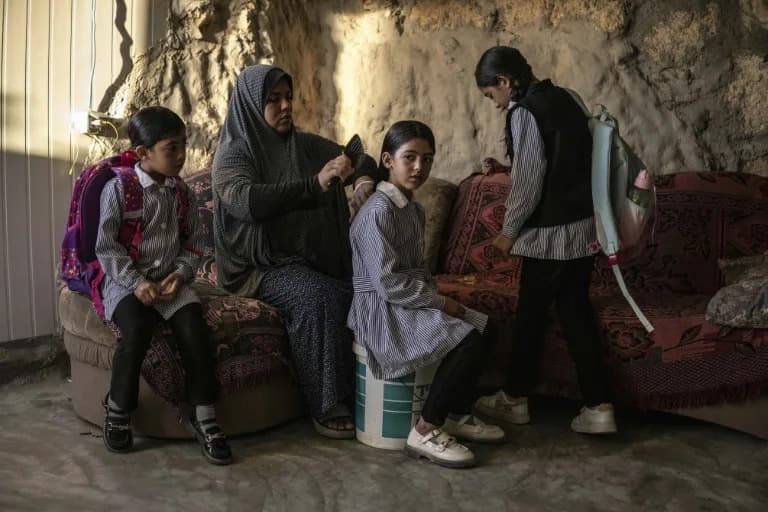
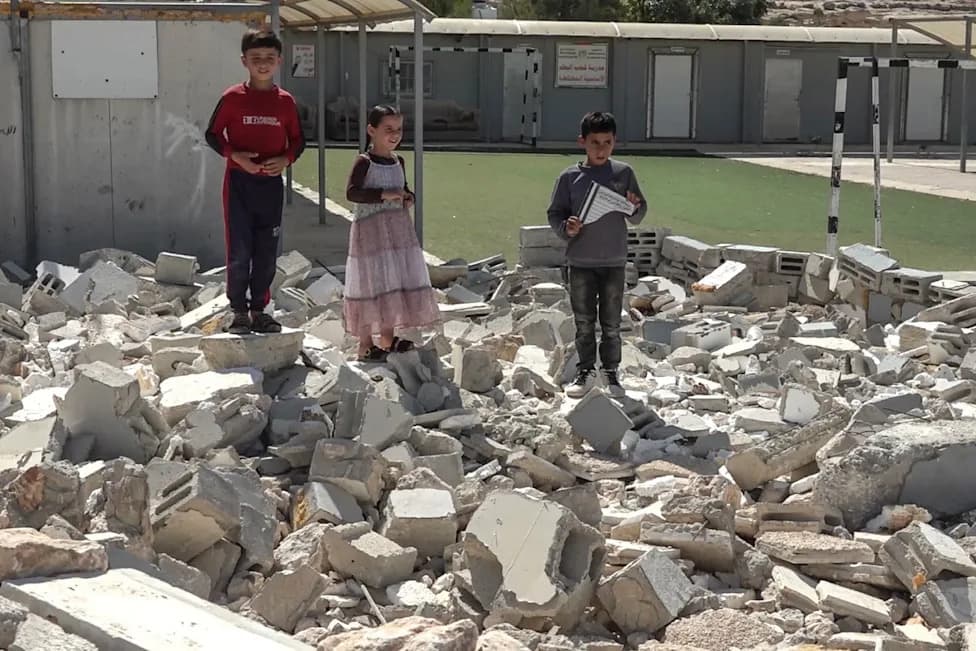
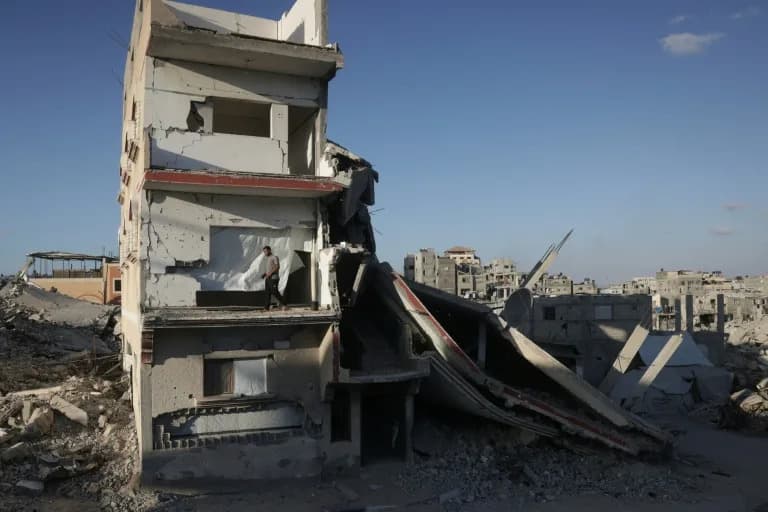
Basema Dabash and other homeowners in occupied East Jerusalem have been forced to demolish their own houses to avoid steep municipal fees and fines. Residents say permit denials, punitive enforcement and higher demolition rates since late 2023 have driven many to self-demolition despite the heavy psychological, social and financial costs. Local officials and international groups report hundreds of demolitions and significant displacement in 2025.
“We Had No Choice”: Palestinians Forced To Demolish Their Own Homes In East Jerusalem
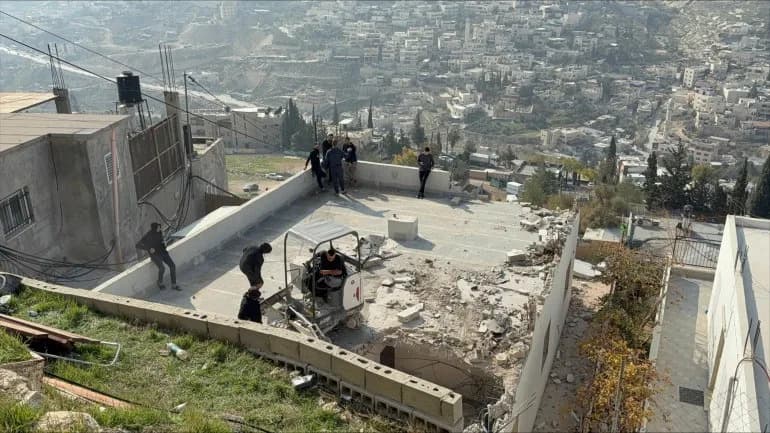
Saqr Qunbur says he has already received a total of $26,000 in fines for building his house, and so can’t afford to pay more for Israeli crews to demolish it [Ahmad Jalajel/Al Jazeera]
Basema Dabash, a 51-year-old resident of Sur Baher in occupied East Jerusalem, says she sheds tears every day for the house she and her husband, Raed, were forced to dismantle themselves after a demolition order issued by Israeli authorities.
Personal Story: A Home Torn Down
The family had lived for years under the threat of demolition after a building-violation notice was filed in 2014. An eviction notice arrived on January 28 this year, and on February 12 they began taking the structure down. Municipal crews would have carried out the demolition at a cost that residents say can reach 100,000 shekels (about $32,000).
"We were forced to start demolishing the house ourselves to avoid the municipality's demolition fees," Basema said. "We began by knocking down the interior and sent photos to the municipality to show we had started, but they demanded we demolish the exterior as soon as possible."
The Dabash family dismantled two adjoining units that had sheltered eight people, including three children. Despite performing the demolition themselves, the family still faces a fine of 45,000 shekels ($14,600), payable in instalments through 2029.
Legal And Administrative Context
East Jerusalem has been under Israeli control since 1967 and was later annexed into a single municipal administration with West Jerusalem — a move not recognised by most of the international community. Palestinians in the city report that obtaining building permits is extremely difficult, while settlements and other projects are frequently authorised.
Human Rights Watch has reported that Israeli authorities make it "virtually impossible for Palestinians to obtain building permits," and the Israeli human-rights group B'Tselem says planning policies in East Jerusalem make it "very difficult" for residents to gain approval.
Why Self-Demolition Happens
Homeowners often face a stark choice: dismantle their property themselves or wait for municipal crews and then be billed for demolition costs that many cannot afford. Residents and local campaigners say the municipality's enforcement practices — including demolition fees, fines, and damage caused by municipal crews — push families toward self-demolition despite the emotional and financial toll.
Scale And Recent Trends
Local officials reported a sharp rise in demolitions after October 2023. Marouf al-Rifai, spokesperson for the Palestinian Authority's Jerusalem Governorate, told Al Jazeera that demolitions reached about 400 across East Jerusalem and surrounding areas in 2025, compared with a previous high of roughly 180 per year. The United Nations reported that demolitions in 2025 displaced approximately 1,500 Palestinians.
Al-Rifai also said demolition notices directed at Jerusalem Palestinians increased from about 25,000 before the conflict to 35,000, and that the neighbourhood of Silwan alone has accumulated some 7,000 demolition notices since 1967.
Human Cost
Beyond the immediate loss of shelter, families describe lasting psychological, social, and financial consequences. Basema and her husband now live in a reduced part of their home with one son; another son’s wife and children were forced to move in with her parents, scattering the household. The family must pay to remove rubble, reconfigure living space and cope with trauma.
"I stand to wash the dishes and find my tears falling on their own. How did we come to this? Why are we being subjected to this injustice?" Basema said.
Other residents report similar experiences. Saqr Qunbur, a resident of Jabal al-Mukabber, said he dismantled his 100-square-metre home on December 26 after receiving a violation notice from 2013 and accumulating about 80,000 shekels in fines. He and his family have struggled to find adequate housing since, and he says the experience damaged his health.
Perspectives From Community Campaigners
Local campaigners call self-demolition a "double punishment": homeowners invest years of labour and resources only to be forced to destroy what they built, then bear fines and displacement. Campaigners also say forcing residents to demolish their homes increases the total number of demolitions while reducing municipal costs, effectively turning victims into de facto demolition contractors.
What The Numbers Show
Reported figures in this article are drawn from local officials, human-rights organisations and UN reporting cited by interviewees and by Al Jazeera. Municipal demolition cost estimates cited by residents and campaigners typically fall between 80,000 and 120,000 shekels ($26,000–$39,000).
Note: This article reports the experiences and statements of affected residents and local officials, and references findings from Human Rights Watch, B'Tselem and the United Nations as they were presented to reporters.
Help us improve.