
NOAA has issued a G1 (minor) geomagnetic storm watch for late Friday, March 13 into early Saturday, March 14 driven by fast solar wind from a coronal hole. Space weather forecasters expect geomagnetic activity to increase by Friday, raising the chance of auroras late Friday night into Saturday morning. Best viewing is across Canada and northern U.S. states; seek dark skies, allow 20 minutes for night vision, and use long exposures or Night/Pro Mode to photograph.
Catch the Northern Lights This Friday the 13th — NOAA Issues G1 Geomagnetic Storm Watch
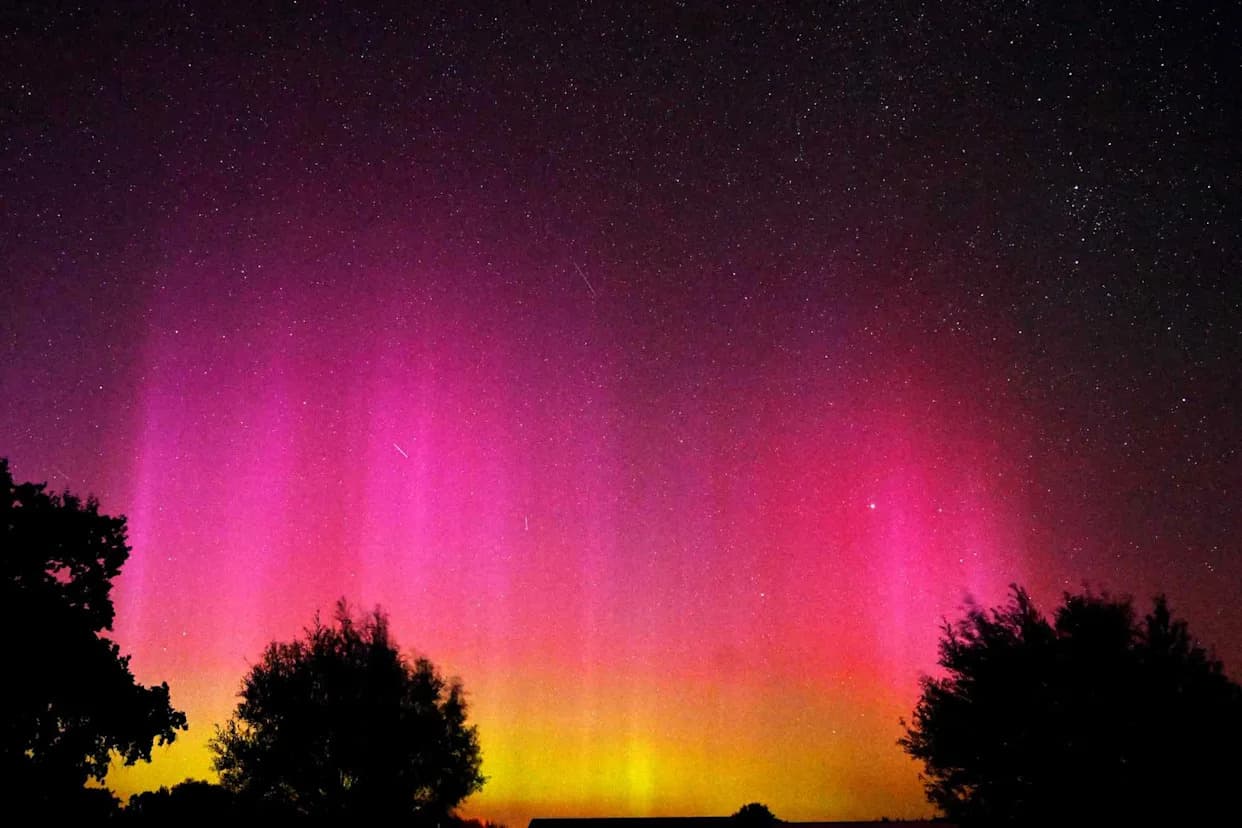
Northern lights above GuelpeCredit: RALF HIRSCHBERGER/AFP via Getty
Friday the 13th could bring more than superstition — NOAA has issued a G1 (minor) geomagnetic storm watch that may make the aurora borealis visible from late Friday, March 13 into the early hours of Saturday, March 14.
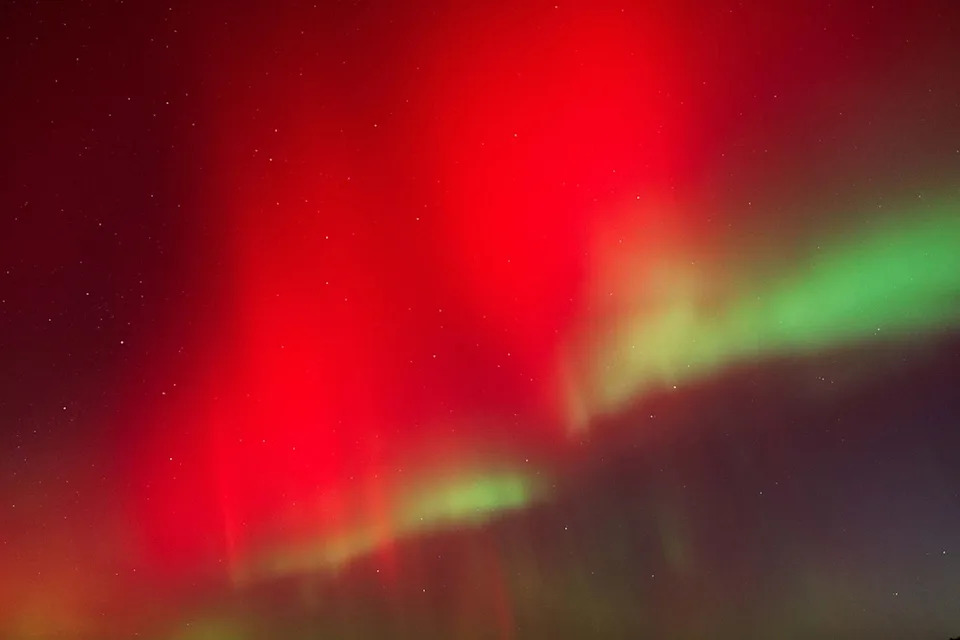
The aurora borealis glows above rural Monroe CountyCredit: Jeremy Hogan/Getty
What’s Happening
A fast stream of solar wind coming from a coronal hole on the Sun is expected to interact with Earth’s magnetic field. That interaction can spark auroral displays in the upper atmosphere. Space weather forecasters say geomagnetic activity should begin rising by midday Friday as Earth moves into the enhanced solar wind stream.
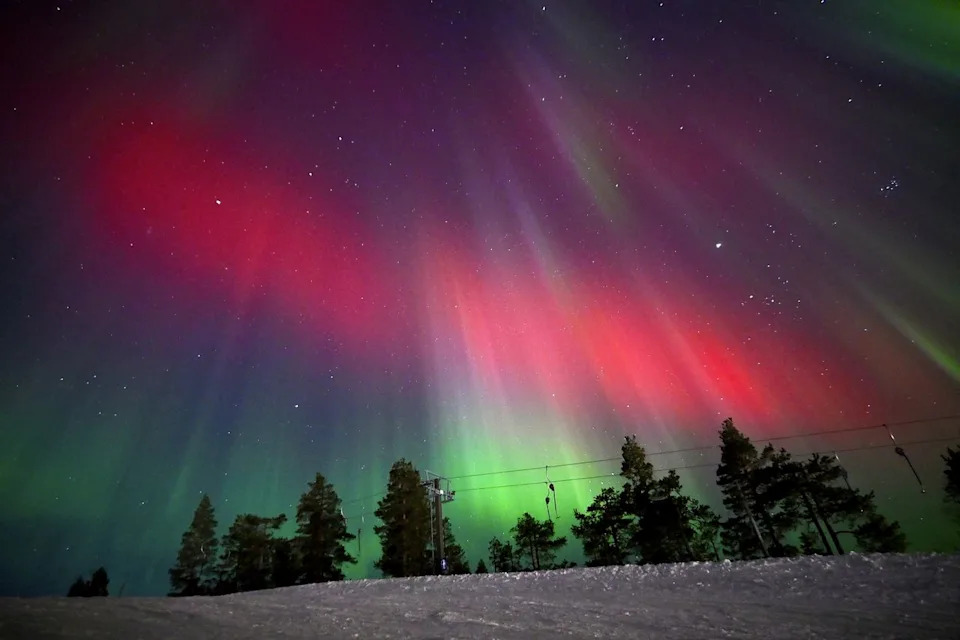
Aurora Borealis in Levi, LaplandCredit: Alex Nicodim/Anadolu via Getty
When and Where To Look
Auroras are most often visible between about 10 p.m. and 2 a.m. local time, when Earth's magnetic field aligns best with incoming solar particles. NOAA currently forecasts conditions up to G1 (minor) storm levels for late Friday into Saturday morning. During a G1 storm the auroral oval can sometimes expand south enough that observers in northern U.S. states can see faint glows low on the horizon.
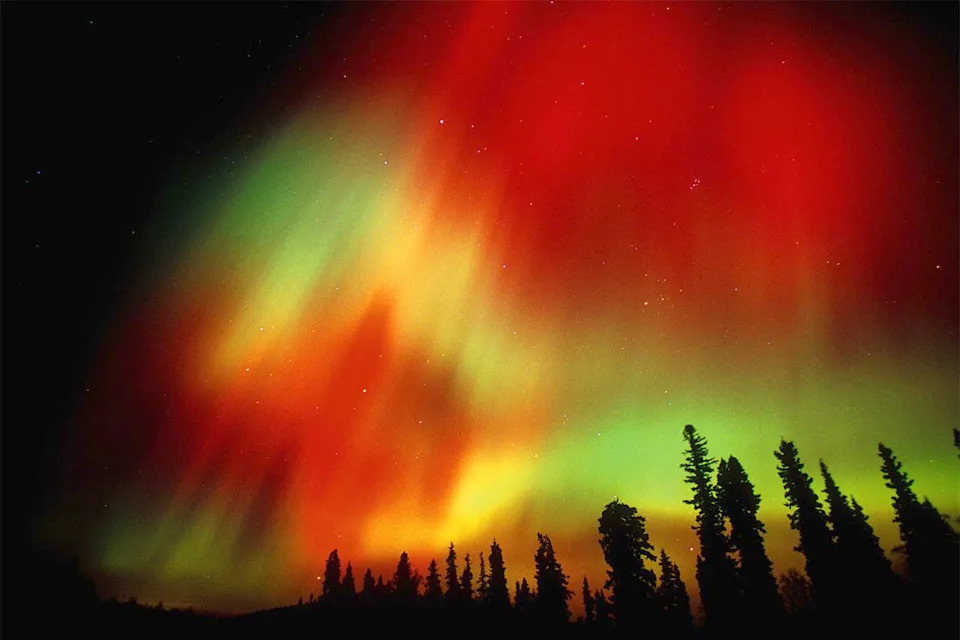
Aurora Borealis in AlaskaCredit: Getty
Best odds: much of Canada and the northern-most U.S. states, including Alaska and northern portions of Washington, Idaho, Montana, North Dakota, South Dakota, Minnesota, Wisconsin, Michigan and Maine, weather permitting.
How To Improve Your Chance Of Seeing The Lights
- Pick a dark site well away from city lights with a broad, unobstructed view of the northern horizon.
- Allow at least 20 minutes for your eyes to adapt to the dark before judging visibility.
- Check the NOAA Space Weather Prediction Center and local cloud forecasts for updates before heading out.
- Be patient: auroras can appear as faint ripples or sudden curtains of light and may come and go.
Photography Tips
For best results, use a tripod and a wide-angle lens. Typical DSLR/mirrorless starting settings: aperture as wide as possible, ISO 800–3200 and exposures from 5–20 seconds depending on brightness. For faint G1 activity you may need longer exposures or higher ISO, but watch for star trailing.
Smartphone tips: use Night Mode or a Pro/Manual mode if available, stabilize the phone (tripod or steady surface), and use a timer or remote shutter to reduce camera shake.
Final Notes
Keep an eye on official NOAA updates and local weather (cloud cover will block the view). Even a minor (G1) storm can produce memorable displays for observers in high latitudes and occasionally low, clear horizons farther south. Enjoy the show and stay warm!
Help us improve.





















